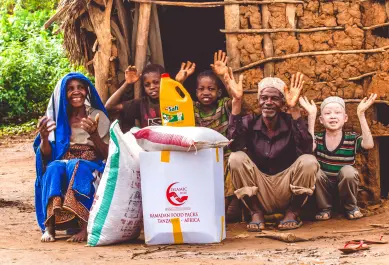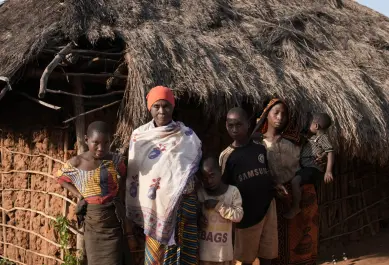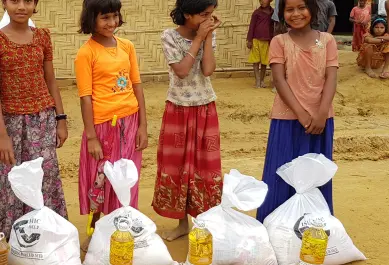
Accountability in Action: How Food Aid Is Delivered Responsibly and Transparently

Accountability in Action: How Food Aid Is Delivered Responsibly and Transparently
Latest News

Accountability in Action: How Food Aid Is Delivered Responsibly and Transparently

Explore how accountability and transparency ensure food aid is delivered responsibly, building trust with donors and communities while protecting dignity and maximising impact for those most in need.

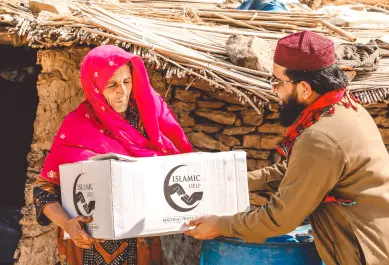
Food aid relies on trust. When families accept assistance during times of hardship, they place their trust in the organisations providing support. Donors also rely on assurance that their contributions are used responsibly and reach those most in need. Without accountability and transparency, food aid risks losing its effectiveness and credibility.

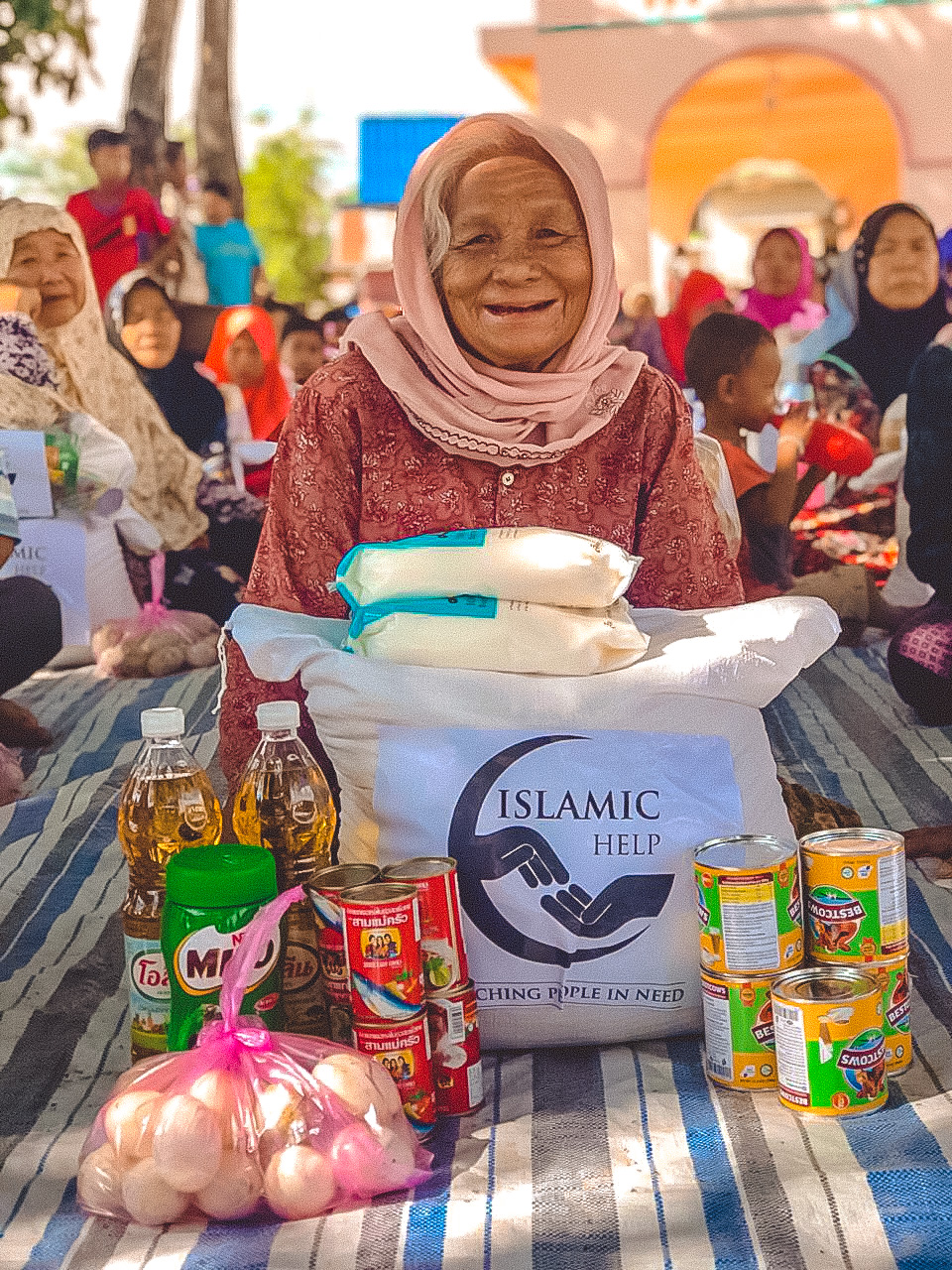
Islamic Help’s Food & Social Programme is built on clear systems of accountability that govern how food assistance is planned, delivered, and monitored. These systems ensure aid is ethical, fair, and impactful while protecting the dignity of beneficiaries.

This article explains why accountability matters in food aid, how transparency strengthens humanitarian response, and how Islamic Help ensures responsible delivery across its Food & Social Programme.
بِسْمِ ٱللَّهِ ٱلرَّحْمَٰنِ ٱلرَّحِيمِ

“The example of those who spend their wealth in the way of Allah is like a seed that sprouts into seven ears, each bearing one hundred grains.”

Why accountability is essential in food aid

Food assistance operates in complex environments shaped by urgency, limited resources, and high vulnerability. In these contexts, clear accountability protects both recipients and aid providers.

Without oversight, food aid can be misdirected, unevenly distributed, or delivered in ways that unintentionally cause harm. Accountability helps prevent these risks by ensuring assistance is guided by needs assessments, ethical standards, and consistent procedures.

For donors, accountability provides confidence that support is making a real difference. For communities, it ensures fairness and reliability in aid delivery.

Transparency as a foundation for trust

Transparency allows stakeholders to understand how food aid works, who it reaches, and what outcomes it achieves. When processes are clear, trust grows between communities, partners, and donors.

Islamic Help’s Food & Social Programme emphasises transparent communication around food assistance. Information about project scope, delivery methods, and objectives is shared responsibly, helping manage expectations and reinforce credibility.

This openness supports informed engagement and strengthens long-term trust in humanitarian action.

CX5A7856
1D5A5369
IH FP 3
IMG_8073
Copy of 192A1526

How Islamic Help plans food aid responsibly

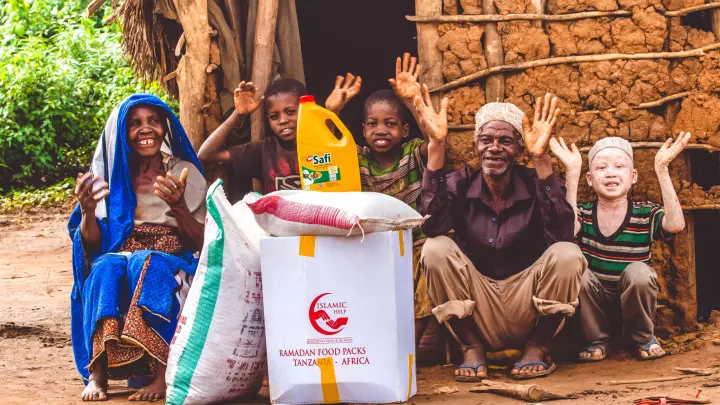
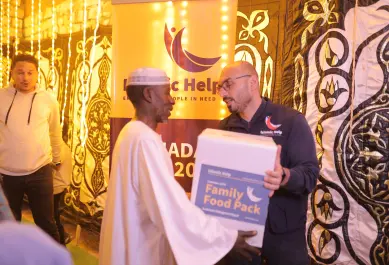
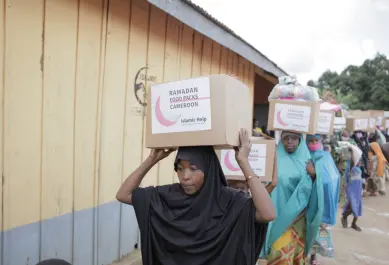
Responsible food aid begins with careful planning. Islamic Help works with local partners to assess needs, identify vulnerable households, and determine appropriate forms of assistance.

Assessments consider factors such as household size, income, displacement status, and social vulnerability. This ensures food aid is targeted effectively and reaches those facing the greatest hardship.

By grounding decisions in local insight and structured assessments, the programme avoids one-size-fits-all approaches and delivers aid that reflects real conditions on the ground.

Monitoring food distributions and outcomes

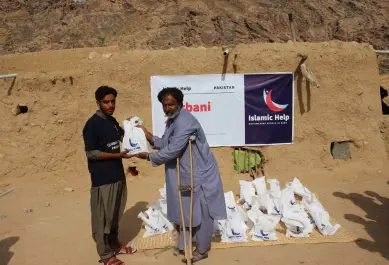
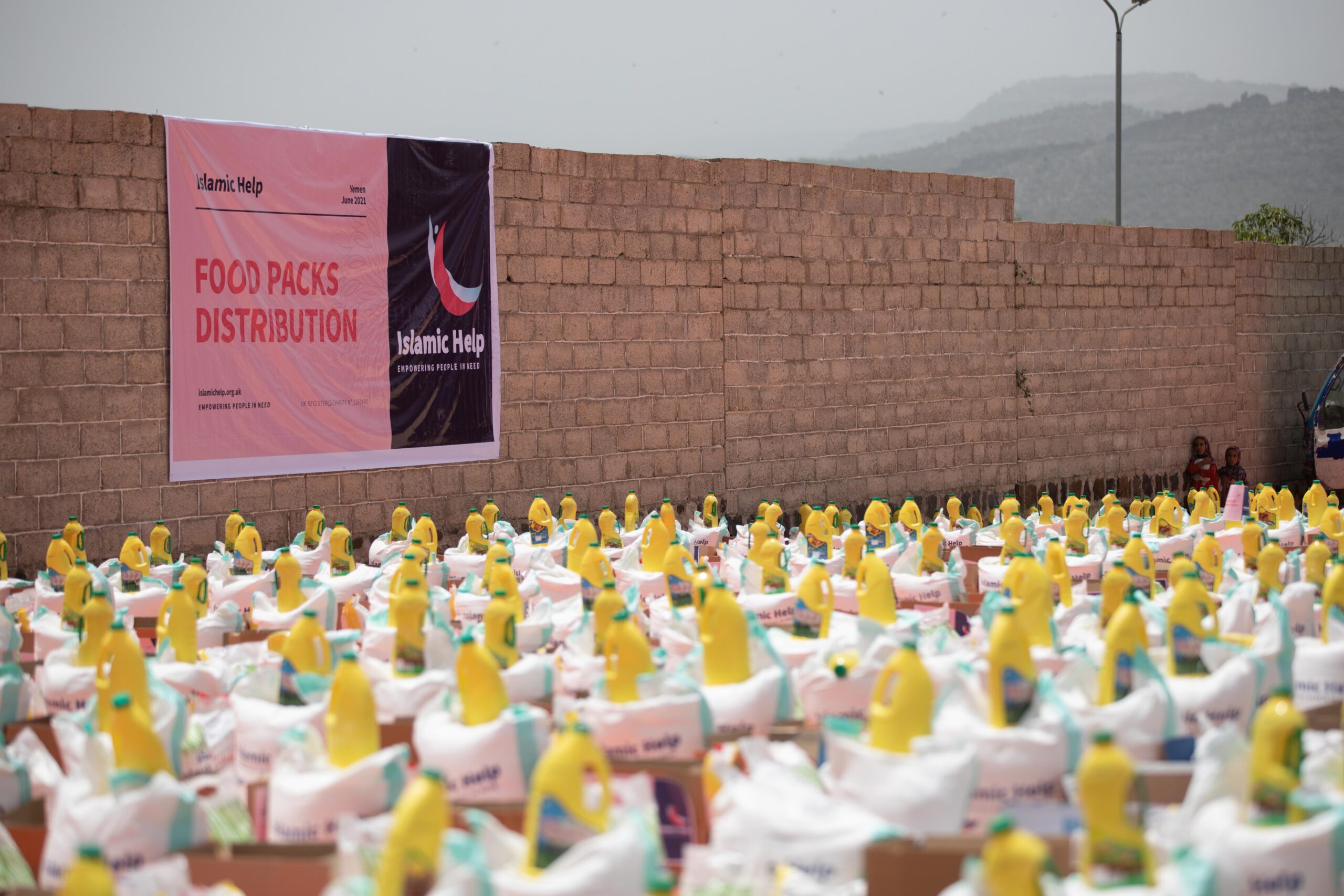
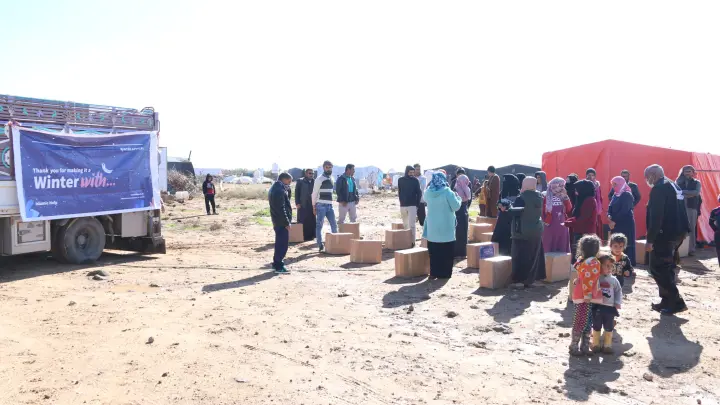
Monitoring is a key component of accountability. Islamic Help oversees food aid delivery through partner reporting, field updates, and ongoing review.

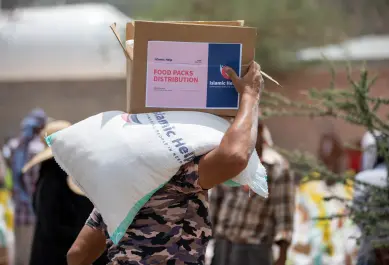
Food distributions are tracked to confirm quantities, locations, and beneficiary reach. Where possible, community feedback helps assess effectiveness and identify areas for improvement.

This monitoring process ensures food aid remains responsive, fair, and aligned with programme objectives throughout implementation.

Partner oversight and local collaboration

Islamic Help delivers food aid through trusted partners with local knowledge and experience. Partner selection and oversight are central to accountability.

Partners are expected to adhere to programme standards, safeguarding principles, and reporting requirements. Ongoing collaboration allows challenges to be addressed quickly and supports consistent delivery.

Local partnerships strengthen accountability by embedding food aid within community structures and promoting shared responsibility.

Safeguarding and ethical responsibility

Safeguarding is integral to responsible food aid. Distributions must not expose beneficiaries to harm, exploitation, or discrimination.

Islamic Help applies safeguarding policies across all Food & Social Programme activities. These standards guide how assistance is delivered, how staff and partners interact with beneficiaries, and how concerns are addressed.

Ethical responsibility ensures food aid protects wellbeing and dignity, reinforcing trust in humanitarian support.

Reporting and donor confidence

Clear reporting is essential for maintaining donor confidence. Islamic Help provides updates that explain how food aid has been delivered and the impact it has had.

Reports may include information on distribution numbers, locations, and project timelines. While protecting beneficiary privacy, these updates offer transparency and reassurance.

Effective reporting demonstrates that accountability is not theoretical but actively practised throughout food aid delivery.

Learning and continuous improvement

Accountability is not only about control; it is also about learning. Monitoring and reporting help identify strengths and areas for improvement within food aid programmes.

Islamic Help uses insights from past projects to refine delivery methods, improve targeting, and strengthen partnerships. This commitment to learning enhances effectiveness over time.

Continuous improvement ensures food aid remains relevant, responsive, and aligned with evolving needs.

Why accountability strengthens humanitarian impact

Accountability transforms food aid from a simple distribution exercise into a trusted humanitarian service. When systems are clear and transparent, aid is more effective, dignified, and sustainable.

Islamic Help’s Food & Social Programme demonstrates that responsible delivery strengthens impact for both beneficiaries and donors. By prioritising accountability, the programme protects trust and maximises the value of every contribution.

In humanitarian work, trust is as vital as food itself. Through transparent planning, monitoring, and reporting, Islamic Help ensures food aid reaches those who need it most, delivered with integrity and care.

FAQs:

  • Why is accountability important in food aid programmes?
    Accountability ensures food aid is delivered fairly, ethically, and to those most in need. It prevents misuse, builds donor confidence, and protects beneficiaries by ensuring assistance follows clear standards and responsible processes.
  • How does Islamic Help ensure transparency in food aid delivery?
    Islamic Help ensures transparency through clear communication, monitoring, and reporting. Information about project scope, delivery, and outcomes is shared responsibly, helping donors and communities understand how food aid is planned and delivered.
  • What role do local partners play in accountability?
    Local partners help identify needs, deliver assistance, and provide oversight. Their local knowledge improves targeting and fairness, while partnership standards and reporting requirements help maintain accountability and consistent delivery.
  • How is accountability maintained during emergency food responses?
    During emergencies, Islamic Help balances rapid response with oversight by working through trusted partners and established procedures. This ensures food aid is delivered quickly without compromising transparency, safeguarding, or ethical standards.
  • How does accountability improve the impact of food aid?
    Accountability improves impact by ensuring resources are used effectively, lessons are learned, and trust is maintained. Transparent systems help food aid remain responsive, dignified, and aligned with the needs of vulnerable communities.

updates that matter

Empower my Inbox

Preserving Dignity Through Food Aid: Why How Support Is Delivered Matters

Preserving Dignity Through Food Aid: Why How Support Is Delivered Matters
Latest News

Preserving Dignity Through Food Aid: Why How Support Is Delivered Matters

Explore why dignified food aid matters, showing how respectful delivery that protects privacy, fairness, and cultural values can strengthen wellbeing and better support vulnerable communities in hardship.

Food assistance is often viewed through the lens of quantity: how many parcels are distributed, how many meals are provided, and how many people are reached. While these measures are important, they do not tell the full story. For individuals and families experiencing hardship, the way food aid is delivered can be just as significant as the food itself.

Islamic Help’s Food & Social Programme places dignity at the centre of food assistance. By designing and delivering aid that respects privacy, fairness, and cultural norms, the programme ensures that support strengthens wellbeing rather than undermining it.

This article explores why dignity matters in food aid, how undignified assistance can deepen vulnerability, and how Islamic Help delivers food support in ways that uphold respect and humanity.

بِسْمِ ٱللَّهِ ٱلرَّحْمَٰنِ ٱلرَّحِيمِ

“The example of those who spend their wealth in the way of Allah is like a seed that sprouts into seven ears, each bearing one hundred grains.”

Why is dignity essential in humanitarian assistance

Dignity is a fundamental human value. In humanitarian contexts, where people have already experienced loss, displacement, or poverty, preserving dignity becomes even more important.

When assistance is delivered without sensitivity, it can cause embarrassment, stigma, or feelings of shame. Public distributions, lack of privacy, or unequal treatment can discourage people from seeking help, even when they are in urgent need.

Dignified food aid recognises recipients as individuals with rights and agency, not passive beneficiaries. This approach fosters trust, acceptance, and positive engagement with support programmes.

The impact of undignified food aid

Undignified food assistance can have unintended consequences. Families may avoid distributions due to fear of social judgment, leaving them vulnerable to hunger. Others may feel disempowered or marginalised, reinforcing cycles of exclusion.

Children exposed to stigmatising aid practices may experience emotional distress or social isolation. For adults, repeated experiences of undignified assistance can erode self-esteem and community cohesion.

By contrast, dignified food aid supports mental well-being and reinforces a sense of belonging, both of which are essential for resilience in times of hardship.

Copy of 192A0356
IMG_8073 (1)
Copy of 192A1526
Copy of 192A1641
IMG_0560

Islamic Help’s dignity-first approach to food support

Islamic Help’s Food & Social Programme integrates dignity into every stage of food assistance, from planning to delivery. Projects are designed to respect recipients’ privacy, safety, and cultural context.

Food distributions are organised to minimise visibility and crowding where possible. Beneficiaries are treated respectfully, and assistance is provided without discrimination or favouritism.

This dignity-first approach reflects the programme’s commitment to humanitarian principles and ethical delivery, ensuring that support uplifts rather than diminishes those receiving it.

Fairness and transparency in distributions

Fairness is a key component of dignified food aid. When assistance is perceived as unequal or inconsistent, trust can quickly erode within communities.

Islamic Help works with local partners to establish clear criteria for food assistance, ensuring support reaches those most in need. Community-based assessments help identify vulnerable households and reduce the risk of exclusion or bias.

Transparent processes promote understanding and acceptance, reduce tension, and reinforce the legitimacy of food support programmes.

Cultural sensitivity and local context

Food is deeply connected to culture, identity, and daily life. Providing unfamiliar or inappropriate food can limit the usefulness of assistance and affect dignity.

Islamic Help’s Food & Social Programme considers cultural norms and dietary practices when planning food aid. Local partners play a vital role in ensuring the food provided is appropriate and acceptable to communities.

By respecting cultural context, food assistance becomes more effective and reinforces mutual respect and understanding between aid providers and recipients.

Protecting vulnerable groups during food aid delivery

Certain individuals face heightened risks during food distributions, including elderly people, people with disabilities, and single-parent households. Physical barriers, long queues, or unsafe distribution environments can prevent these groups from accessing support.

Islamic Help designs food assistance to be accessible and inclusive, adapting delivery methods to meet specific needs. This may involve additional support, targeted distributions, or alternative arrangements.

Protecting vulnerable groups ensures that dignity is preserved not only in principle, but in practice.

Safeguarding and ethical responsibility

Delivering food aid carries safeguarding responsibilities. Aid providers must ensure that assistance does not expose individuals to harm, exploitation, or abuse.

Islamic Help applies safeguarding standards across all Food & Social Programme activities. Staff and partners are guided by clear procedures designed to protect beneficiaries and ensure ethical conduct.

These safeguards are essential for maintaining trust and ensuring that food assistance remains a source of support rather than risk.

Accountability and trust in dignified aid

Dignity and accountability are closely linked. When food aid is delivered transparently and responsibly, trust grows between communities and aid organisations.

Islamic Help maintains accountability through monitoring, reporting, and oversight of food distributions. This ensures assistance is delivered as intended and that dignity standards are upheld consistently.

Clear communication with donors and communities reinforces confidence in how food aid is managed and delivered.

Dignity as a foundation for resilience

Dignified assistance contributes to resilience by supporting mental and emotional well-being alongside physical needs. When people feel respected and valued, they are better able to cope with hardship and uncertainty.

Food aid that preserves dignity helps maintain social cohesion, reduces tension, and encourages mutual support within communities. These outcomes are especially important in crisis-affected and resource-constrained environments.

Islamic Help’s Food & Social Programme recognises dignity as a cornerstone of effective humanitarian assistance.

Why dignity must remain central to food aid

Food aid is about more than addressing hunger. It is about how people are supported during some of the most difficult moments of their lives.

By placing dignity at the heart of food assistance, Islamic Help ensures that support protects both physical well-being and human worth. This approach transforms food aid from a basic transaction into a compassionate, respectful response to hardship.

Preserving dignity through food aid reflects a commitment to ethical humanitarian action and reinforces the values that underpin the Food & Social Programme. Through responsible delivery, Islamic Help continues to support vulnerable communities with respect, care, and integrity.
FAQs:

  • Why is dignity important in food aid programmes?
    Dignity is important because people receiving food aid may already feel vulnerable or marginalised. Respectful delivery helps prevent stigma, protects mental well-being, and encourages individuals to seek support when needed without fear or embarrassment.
  • How does undignified food aid affect communities?
    Undignified food aid can lead to shame, exclusion, and reduced trust. People may avoid distributions or feel disempowered, which can worsen hunger and undermine community cohesion during already difficult circumstances.
  • How does Islamic Help ensure dignity in food distributions?
    Islamic Help ensures dignity by organising fair, respectful distributions that minimise stigma, respect cultural norms, and protect privacy. Local partners help tailor delivery methods to community needs and conditions.
  • What role does fairness play in dignified food aid?
    Fairness ensures that food assistance reaches those most in need without bias or favouritism. Transparent criteria and community-based assessments help build trust and prevent tension within communities receiving support.
  • How are vulnerable individuals protected during food distributions?
    Vulnerable individuals are protected through inclusive delivery methods, safeguarding standards, and accessibility adaptations. Islamic Help works to ensure elderly people, people with disabilities, and other at-risk groups can access food aid safely and respectfully.

updates that matter

Empower my Inbox

Seasonal Food Support: Meeting Increased Need at Critical Times

Seasonal Food Support: Meeting Increased Need at Critical Times
Latest News

Seasonal Food Support: Meeting Increased Need at Critical Times

Explore how seasonal food support helps vulnerable families facing rising costs and hardship, providing timely assistance that reduces hunger, supports stability, and protects wellbeing during critical periods.

For many vulnerable families, hardship intensifies during certain times of the year. Seasonal pressures such as rising living costs, reduced income opportunities, and increased household responsibilities can make access to food even more difficult. During these periods, families who are already struggling often face heightened risk of hunger and deprivation.

Islamic Help’s Food & Social Programme responds to these challenges through seasonal food support initiatives. By delivering targeted food assistance during times of increased need, the programme helps families maintain stability, dignity, and well-being when pressures are greatest.

This article explores why food insecurity worsens during specific seasons, how seasonal food programmes address these challenges, and how Islamic Help delivers timely, accountable support to vulnerable communities.

بِسْمِ ٱللَّهِ ٱلرَّحْمَٰنِ ٱلرَّحِيمِ

“The example of those who spend their wealth in the way of Allah is like a seed that sprouts into seven ears, each bearing one hundred grains.”

Why does food insecurity increase at certain times of year

Seasonal changes can significantly impact household food security. In many regions, employment opportunities fluctuate throughout the year, affecting income and purchasing power. Agricultural cycles, weather conditions, and economic pressures all influence access to food.

For low-income households, even small increases in expenses can lead to difficult choices between food and other necessities. Families facing displacement or poverty often have little financial resilience, making them particularly vulnerable to seasonal shocks.

These pressures mean that hunger is not constant but often peaks at predictable times. Seasonal food support helps address these recurring vulnerabilities.

The role of seasonal food programmes

Seasonal food programmes are designed to provide additional assistance when families need it most. Rather than replacing ongoing support, they supplement existing aid during high-pressure periods.

Islamic Help’s seasonal food initiatives deliver food assistance to households already experiencing hardship, helping them cope with temporary increases in need. These programmes prevent short-term difficulties from escalating into severe food insecurity.

By anticipating seasonal pressures, food aid can be delivered proactively rather than reactively, reducing harm and supporting household stability.

Disabled Children (1 of 1)
IMG_0285
IMG-20161206-WA0002_1481019959377
Copy of 192A1350
Copy of 192A1641

Islamic Help’s approach to seasonal food support

Islamic Help’s Food & Social Programme delivers seasonal food support through structured, time-bound initiatives. These projects are planned based on assessments of need and implemented in collaboration with local partners.

Seasonal food distributions typically provide staple food items designed to support households for a defined period. Assistance is tailored to local contexts, ensuring the food provided is appropriate and meets basic nutritional needs.

By aligning seasonal support with local conditions, Islamic Help ensures assistance is relevant, timely, and effective.

Supporting families during high-pressure periods

Seasonal food support is particularly important for families with limited coping mechanisms. Households headed by widows, elderly individuals, or people with disabilities often struggle to absorb additional costs or income disruptions.

Seasonal assistance helps these families maintain consistent access to food during difficult periods. This support reduces stress and prevents families from resorting to harmful coping strategies, such as cutting down on meal quality or skipping meals altogether.

By stabilising food access, seasonal programmes protect both physical health and emotional well-being.

Preventing long-term harm through short-term support

Short-term food insecurity can have long-lasting consequences if left unaddressed. Temporary shortages can lead to malnutrition, particularly among children, and can force families into debt or asset loss.

Seasonal food programmes act as preventive measures. By addressing hunger early, these initiatives reduce the risk of long-term nutritional deficits and economic decline.

This preventative approach reflects the Food & Social Programme’s focus on protecting dignity and reducing vulnerability before crises deepen.

Community-based delivery and local partnerships

Effective seasonal food support relies on strong local partnerships. Islamic Help works with community organisations and local teams to identify households most affected by seasonal pressures.

Local partners provide insight into community dynamics, helping ensure distributions are fair and targeted. This approach improves efficiency and builds trust between communities and aid providers.

Community-based delivery also helps ensure that assistance reaches individuals who may not be visible through standard assessments.

Dignity and respect in seasonal distributions

Seasonal food assistance must be delivered with care. Families may already feel pressure or shame during periods of hardship, making respectful delivery essential.

Islamic Help’s Food & Social Programme prioritises dignity in seasonal distributions by organising assistance in ways that minimise stigma and respect privacy. Beneficiaries are treated with respect, and cultural norms are observed.

This dignity-first approach encourages acceptance of support and reinforces trust in humanitarian assistance.

Accountability and transparency in seasonal aid

Seasonal food programmes require clear accountability due to their time-sensitive nature. Islamic Help maintains oversight through monitoring, reporting, and partner coordination.

Distributions are documented to ensure aid reaches intended beneficiaries and resources are used responsibly. Transparency with donors and communities helps maintain confidence in the programme’s effectiveness.

Accountability is particularly important when delivering support during periods of heightened need and urgency.

Seasonal support as part of a wider safety net

Seasonal food assistance is most effective when integrated into a broader support framework. Islamic Help’s Food & Social Programme aligns seasonal aid with long-term food support and social care initiatives.

This integrated approach ensures families receive appropriate assistance throughout the year, reducing gaps in support. Seasonal programmes complement rather than replace other interventions, strengthening overall resilience.

By viewing food security as a year-round concern, the programme delivers more sustainable impact.

Why seasonal food support matters

Seasonal food insecurity is predictable and preventable. Without targeted intervention, temporary pressures can push vulnerable families deeper into hardship.

Islamic Help’s seasonal food support programmes respond to these risks with timely, structured assistance. By providing food when families need it most, the programme helps protect health, dignity, and stability during critical periods.

Seasonal food support reflects a proactive approach to humanitarian aid, addressing hunger before it escalates into crisis and ensuring vulnerable communities are not left unsupported during times of increased need.

FAQs:

  • What is seasonal food insecurity?
    Seasonal food insecurity occurs when access to food becomes more difficult during certain times of the year due to factors such as reduced income, higher living costs, or environmental conditions. Vulnerable families often experience increased hunger during these predictable periods without additional support.
  • How does seasonal food support help vulnerable families?
    Seasonal food support provides additional assistance during high-pressure periods, helping families maintain access to food. This support prevents short-term shortages from becoming severe hunger and reduces the need for harmful coping strategies.
  • Who benefits most from seasonal food programmes?
    Families facing poverty, displacement, disability, or limited income benefit most from seasonal food programmes. These households often lack the resources to cope with temporary increases in need and rely on targeted support to remain stable.
  • How does Islamic Help deliver seasonal food aid responsibly?
    Islamic Help delivers seasonal food aid through trusted local partners, community assessments, and monitored distributions. This approach ensures assistance is timely, fair, and accountable while respecting dignity and cultural norms.
  • Is seasonal food support a replacement for long-term aid?
    No. Seasonal food support complements long-term food assistance and social care. It provides targeted help during high-need periods while ongoing programmes address chronic food insecurity and vulnerability throughout the year.

updates that matter

Empower my Inbox

Supporting the Most Vulnerable: Social Care for Families Facing Hardship

Supporting the Most Vulnerable: Social Care for Families Facing Hardship
Latest News

Supporting the Most Vulnerable: Social Care for Families Facing Hardship

Explore how Islamic Help combines food aid with targeted social care for families facing isolation, displacement, and poverty, restoring dignity, stability, and hope.

Hunger and poverty rarely affect people in isolation. They are often accompanied by social challenges such as isolation, displacement, disability, and the loss of family support networks. For many vulnerable individuals, access to food alone is not enough to address the full extent of their hardship.

Islamic Help’s Food & Social Programme recognises this reality by combining food assistance with targeted social support for those most at risk. Through carefully designed interventions, the programme supports individuals and families facing social vulnerability, helping them meet basic needs with dignity and stability.

This article explains why social support is essential alongside food aid, who benefits most from social care programmes, and how Islamic Help delivers compassionate, accountable assistance to vulnerable communities.

بِسْمِ ٱللَّهِ ٱلرَّحْمَٰنِ ٱلرَّحِيمِ

“The example of those who spend their wealth in the way of Allah is like a seed that sprouts into seven ears, each bearing one hundred grains.”

Understanding social vulnerability in humanitarian contexts

Social vulnerability refers to the increased risk faced by individuals who lack support systems, resources, or protection. In humanitarian settings, this vulnerability is often intensified by conflict, displacement, and economic instability.

Groups such as widows, orphans, elderly individuals, people with disabilities, and displaced families frequently experience compounded hardship. Without income, social protection, or family networks, meeting daily needs becomes an ongoing struggle.

Food insecurity is often a symptom of these deeper social challenges. Addressing vulnerability, therefore, requires a holistic approach that considers both material needs and social circumstances.

Why food aid alone is not enough

While food aid plays a critical role in preventing hunger, it does not address all aspects of vulnerability. Individuals facing social hardship may struggle with shelter insecurity, healthcare access, or social isolation alongside food shortages.

For example, elderly people living alone may be unable to collect food distributions without assistance. Widowed households may face economic barriers that food aid alone cannot resolve. Children without caregivers may require additional protection and support beyond nutrition.

Social care complements food assistance by addressing these interconnected challenges and ensuring support reaches those who might otherwise be overlooked.

IMG-20161206-WA0002_1481019959377
IH FP 4 (1) (1)
DSC00158
CX5A7856
20180531_223621

Islamic Help’s approach to food and social care

Islamic Help’s Food & Social Programme integrates social care into its humanitarian response, recognising that dignity and wellbeing extend beyond food provision. Social support initiatives are designed to assist those facing heightened vulnerability due to social circumstances.

These interventions may include targeted assistance for specific groups, ongoing support for households with limited coping capacity, and coordination with community networks to identify and support those in need.

By aligning food aid with social care, Islamic Help ensures assistance is responsive to real-life conditions rather than limited to one-dimensional solutions.

Supporting widows, orphans, and elderly individuals

Widows, orphans, and elderly people often face unique challenges in humanitarian contexts. Loss of income, reduced mobility, and social isolation increase their reliance on external support.

Islamic Help’s social care initiatives prioritise these groups by providing consistent assistance that helps meet daily needs and reduce vulnerability. Support is delivered in ways that respect dignity and minimise stigma.

By focusing on those most at risk, the programme helps prevent extreme hardship and supports basic stability for individuals with limited alternatives.

Disability and social exclusion

People living with disabilities are disproportionately affected by poverty and food insecurity. Physical barriers, limited access to services, and social exclusion can make it difficult to secure food and support independently.

Social care initiatives within the Food & Social Programme help address these barriers by ensuring assistance is accessible and inclusive. Support may involve adapting distribution methods or providing additional assistance to meet specific needs.

This inclusive approach recognises disability as a key dimension of vulnerability that must be taken into account in humanitarian programming.

Preserving dignity in social assistance

Social care programmes must be delivered with sensitivity. Receiving assistance for prolonged periods can affect self-esteem and social standing if not managed carefully.

Islamic Help’s Food & Social Programme prioritises dignity by designing support that respects privacy and cultural norms. Assistance is delivered discreetly where possible, and beneficiaries are treated as partners rather than dependents.

This dignity-first approach encourages engagement and helps reduce the stigma sometimes associated with social assistance.

Accountability and safeguarding in social care

Supporting vulnerable individuals requires robust safeguarding and accountability. Islamic Help maintains clear standards to ensure social care interventions are delivered ethically and responsibly.

Projects are monitored to protect beneficiaries, prevent exploitation, and ensure assistance remains appropriate. Partner organisations are selected carefully, and reporting mechanisms support transparency and oversight.

These measures are essential to maintaining trust and ensuring that social support programmes do not inadvertently cause harm.

Social support as a foundation for resilience

Social care plays a vital role in helping families and individuals cope with prolonged hardship. By addressing immediate needs and reducing isolation, social support helps stabilise lives and preserve wellbeing.

When vulnerable individuals receive consistent assistance, they are better able to manage daily challenges and maintain a sense of normality. This stability supports resilience, even in environments affected by crisis and uncertainty.

Islamic Help’s Food & Social Programme views social care not as temporary relief, but as a foundation for dignity and recovery.

Why integrated social support matters

Humanitarian needs are complex and interconnected. Addressing hunger without addressing social vulnerability leaves gaps that can undermine long-term impact.

By integrating food aid with social care, Islamic Help’s Food & Social Programme delivers more comprehensive support. This approach ensures assistance reaches those most in need and responds to the realities of life in crisis-affected communities.

Social support strengthens families, protects dignity, and helps prevent the deepening of poverty. Through compassionate, accountable delivery, Islamic Help continues to support vulnerable individuals facing some of the most difficult circumstances in the world.

FAQs:

  • Who is considered socially vulnerable in humanitarian settings?
    Socially vulnerable individuals include widows, orphans, elderly people, people with disabilities, and displaced families. These groups often lack income, support networks, or protection, increasing their risk of hunger, isolation, and hardship without targeted social assistance.
  • Why is social care important alongside food aid?
    Social care addresses challenges that food aid alone cannot solve. Vulnerable individuals may face mobility issues, isolation, or protection risks. Combining food assistance with social support ensures help reaches those most in need and supports dignity and well-being.
  • How does Islamic Help identify people in need of social support?
    Islamic Help works with local partners and community representatives to identify vulnerable individuals and households. Local knowledge helps ensure assistance reaches those who may be overlooked, improving fairness and accuracy in social support delivery.
  • How is dignity protected in social care programmes?
    Dignity is protected by delivering assistance respectfully and discreetly. Islamic Help designs social care programmes to minimise stigma, respect privacy, and follow cultural norms, ensuring beneficiaries are treated with respect and compassion.
  • How does Islamic Help ensure safeguarding in social support programmes?
    Islamic Help applies safeguarding standards, partner oversight, and monitoring to protect beneficiaries. Clear procedures help prevent harm, ensure ethical delivery, and maintain accountability throughout social care interventions.

updates that matter

Empower my Inbox

Fighting Long-Term Hunger: How Food Aid Supports Families Beyond Emergencies

Fighting Long-Term Hunger: How Food Aid Supports Families Beyond Emergencies
Latest News

Fighting Long-Term Hunger: How Food Aid Supports Families Beyond Emergencies

Explore how sustained food aid supports families facing chronic hunger, addressing poverty and rising costs while providing stability, dignity, and long-term relief beyond emergencies.

Hunger is often associated with sudden disasters, but for millions of families, food insecurity is a daily reality rather than a temporary crisis. Poverty, unemployment, rising food prices, and prolonged displacement can leave households struggling to secure enough food long after emergency headlines fade.

Islamic Help’s Food & Social Programme addresses this reality by supporting families facing long-term food insecurity. Alongside emergency food distributions, the programme delivers sustained food assistance that helps households cope with chronic hardship while protecting dignity and wellbeing.

This article explores how long-term hunger develops, why ongoing food support is essential, and how Islamic Help delivers responsible food aid that stabilises families beyond immediate emergencies.

بِسْمِ ٱللَّهِ ٱلرَّحْمَٰنِ ٱلرَّحِيمِ

“The example of those who spend their wealth in the way of Allah is like a seed that sprouts into seven ears, each bearing one hundred grains.”

Understanding long-term food insecurity

Long-term food insecurity occurs when families consistently lack reliable access to sufficient, nutritious food. Unlike short-term crises, this form of hunger develops gradually and can persist for years, driven by structural challenges such as poverty, conflict, and economic instability.

In many communities, wages do not keep pace with food prices, leaving households unable to meet basic needs. In displacement settings, families may be prohibited from working or lack opportunities to earn an income, increasing reliance on aid.

Long-term food insecurity weakens health, disrupts education, and deepens poverty. Addressing it requires consistent, reliable support rather than one-off interventions.

The impact of sustained hunger on families

Prolonged hunger affects every aspect of family life. Adults may skip meals to feed children, while children experience impaired growth, weakened immunity, and difficulty concentrating in school.

Households facing chronic food shortages often resort to negative coping strategies, such as reducing meal quality, selling essential assets, or withdrawing children from education. These measures provide short-term relief but deepen vulnerability over time.

Without sustained food support, families remain trapped in cycles of hardship that undermine resilience and long-term stability.

IMG_3340
IH FP 3
Copy of IMG_9574
Copy of 192A0356
IMG_0285

Islamic Help’s approach to long-term food support

Islamic Help’s Food & Social Programme delivers long-term food assistance to households facing ongoing hardship. These interventions are designed to complement emergency aid by providing consistent nutritional support over extended periods.

Long-term food projects may include regular food parcel distributions, targeted assistance for vulnerable groups, and community-based support mechanisms. By maintaining predictable support, families are better able to plan and manage daily needs.

Projects are delivered through local partners who understand community dynamics, ensuring aid reaches those most affected by chronic food insecurity.

Supporting vulnerable households with dignity

Long-term food support must balance effectiveness with respect. Islamic Help prioritises dignity in all food assistance, recognising that recipients may rely on support for extended periods.

Distributions are organised to minimise stigma and ensure fairness. Households receive assistance in ways that respect privacy and cultural norms, helping preserve self-respect even during prolonged hardship.

This approach reinforces trust between communities and aid providers, making support more accessible and sustainable.

Food insecurity in displacement and urban poverty

Long-term food insecurity is particularly prevalent among displaced populations and low-income urban communities. Refugees and internally displaced families often face legal and economic barriers to employment, increasing dependence on aid.

In urban settings, rising living costs and limited social protection systems can push working families into chronic hunger. Even those with some income may struggle to afford food consistently.

Islamic Help’s long-term food support addresses these contexts by targeting households most affected by persistent poverty and displacement-related vulnerability.

Protecting health through sustained nutrition

Consistent access to food is essential for maintaining health over time. Chronic undernutrition increases susceptibility to illness and complicates recovery from disease, particularly among children and elderly people.

Long-term food assistance helps stabilise nutritional intake, reducing health risks and supporting overall well-being. By preventing deterioration, food support also reduces pressure on healthcare systems in vulnerable communities.

Nutrition stability enables families to focus on education, work, and recovery rather than constant survival.

Social stability and community resilience

Food security is closely linked to social stability. When families can meet basic nutritional needs, stress levels decrease, and households are better able to cope with external shocks.

Long-term food aid contributes to community resilience by reducing competition for resources and preventing the escalation of hardship. Stable food access helps maintain social cohesion, particularly in densely populated or displacement-affected areas.

Islamic Help’s Food & Social Programme recognises food security as a cornerstone of broader social wellbeing.

Accountability in sustained food programmes

Delivering long-term food support requires careful oversight. Islamic Help maintains accountability through monitoring, reporting, and partner management to ensure aid remains effective and appropriate.

Regular assessments help determine ongoing need and adjust support as conditions change. Transparency with donors and communities helps maintain trust throughout prolonged interventions.

This accountability is essential for responsible humanitarian action and long-term programme success.

Integrating food support with social assistance

Long-term food aid is most effective when integrated with wider social support. Islamic Help’s Food & Social Programme aligns food assistance with other interventions that address vulnerability.

By coordinating food aid with social care, seasonal support, and community-based initiatives, the programme helps reduce dependency and support pathways toward stability.

This integrated approach recognises that hunger is not an isolated issue, but part of a broader pattern of social hardship.

Why long-term food aid matters

While emergency food aid saves lives, long-term food support sustains them. Families facing chronic hunger need reliable assistance that acknowledges the ongoing nature of their struggle.

Islamic Help’s Food & Social Programme provides this support through consistent, dignified food assistance. By addressing hunger beyond emergencies, the programme helps families maintain health, stability, and hope in the face of prolonged hardship.

Long-term food aid is not about dependency; it is about protecting dignity and enabling resilience when circumstances leave families with few alternatives.

FAQs:

  • What is the difference between emergency and long-term food aid?
    Emergency food aid addresses immediate hunger during crises, while long-term food aid supports families facing ongoing food insecurity. Sustained assistance helps households cope with chronic poverty or displacement when hunger is not caused by a single, short-term emergency.
  • Who needs long-term food support the most?
    Families affected by prolonged poverty, displacement, unemployment, or rising food costs often require long-term food support. These households may struggle to consistently access sufficient food, making ongoing assistance essential to protect their health and stability.
  • How does Islamic Help deliver long-term food assistance?
    Islamic Help delivers long-term food assistance through regular food distributions and targeted support for vulnerable households. Projects are implemented with local partners to ensure aid reaches those most affected by chronic food insecurity in a responsible, dignified manner.
  • Does long-term food aid create dependency?
    When delivered responsibly, long-term food aid does not create dependency. Instead, it stabilises households during prolonged hardship, allowing families to meet basic needs and reduce harmful coping strategies while broader recovery or support options are explored.
  • How is accountability maintained in long-term food programmes?
    Islamic Help maintains accountability through monitoring, reporting, and ongoing assessments. This oversight ensures food assistance remains appropriate, effective, and transparent, building trust with donors and communities throughout sustained interventions.

updates that matter

Empower my Inbox

Emergency Food Aid: How Timely Support Protects Lives in Crisis

Emergency Food Aid: How Timely Support Protects Lives in Crisis
Latest News

Emergency Food Aid: How Timely Support Protects Lives in Crisis

Learn how emergency food aid delivers rapid, life-saving support in crises, protecting health, preserving dignity, and stabilising vulnerable families facing sudden and severe food shortages.

In humanitarian crises, access to food can disappear with devastating speed. Conflict, displacement, economic collapse, and environmental shocks interrupt supply chains and livelihoods, leaving families without the means to meet even their most basic needs. When food becomes scarce, hunger quickly turns into a life-threatening emergency.

Islamic Help’s Food & Social Programme responds to these situations by delivering emergency food aid to vulnerable individuals and families. By providing timely food assistance, the programme helps protect health, preserve dignity, and stabilise households during periods of extreme hardship.

This article explains why emergency food aid is critical in crises, how food insecurity develops in humanitarian settings, and how Islamic Help delivers responsible, dignified food support when people need it most.

بِسْمِ ٱللَّهِ ٱلرَّحْمَٰنِ ٱلرَّحِيمِ

“The example of those who spend their wealth in the way of Allah is like a seed that sprouts into seven ears, each bearing one hundred grains.”

Why food is a first priority in emergencies

Food is essential for survival, yet in crises it is often one of the first needs to go unmet. Conflict and displacement disrupt markets, destroy income sources, and restrict movement, making it difficult or impossible for families to access food.

Without sufficient nutrition, physical health deteriorates rapidly. Children, pregnant women, elderly people, and those with existing health conditions are particularly vulnerable to the effects of hunger. Prolonged food shortages increase the risk of malnutrition, illness, and long-term developmental harm.

Emergency food aid directly addresses these risks. By ensuring households have access to basic nutrition, food assistance helps prevent the immediate escalation of hunger into a wider health crisis.

How humanitarian crises create food insecurity

Food insecurity in humanitarian settings is rarely caused by a single factor. Armed conflict damages infrastructure and agriculture, inflation reduces purchasing power, and displacement separates families from land and livelihoods.

In urban crises, rising food prices can make basic staples unaffordable. In rural areas, drought or insecurity may destroy harvests or prevent planting altogether. Refugees and displaced families often rely entirely on external assistance, as they have no access to income or markets.

These overlapping pressures mean that food insecurity can develop quickly and persist long after the initial emergency. Emergency food aid provides a critical safety net during these periods of instability.

IMG_0202
IMG_8630
_DSC0467 (1)
Copy of 192A1526
DSC_0623

Islamic Help’s approach to emergency food aid

Islamic Help’s Food & Social Programme delivers emergency food aid through carefully planned and locally implemented interventions. Food distributions are designed to meet immediate needs while respecting the dignity of recipients.

Emergency food assistance typically includes staple foods that support household nutrition for a defined period. In some contexts, cooked meal distributions are used where families lack access to cooking facilities or fuel.

Projects are delivered through trusted partners and local teams who understand community needs and conditions. This approach ensures food reaches those most in need and is distributed fairly and efficiently.

Reaching families affected by conflict and displacement

Conflict and displacement are among the most significant drivers of emergency food need. Families forced to flee their homes often leave behind livelihoods, savings, and access to markets.

Islamic Help delivers emergency food aid to displaced populations living in camps, informal settlements, and host communities. Food distributions help stabilise households during the most uncertain stages of displacement, reducing the risk of malnutrition and further vulnerability.

By responding quickly, emergency food aid helps families cope with sudden loss while longer-term support options are assessed.

Protecting health through nutrition support

Food aid is closely linked to health outcomes. In crisis settings, hunger weakens immune systems and increases susceptibility to disease. Children experiencing food shortages are more likely to suffer from infections and developmental challenges.

Emergency food assistance helps protect physical health by ensuring families receive sufficient calories and basic nutrition. This support is particularly important for children and pregnant or breastfeeding women, whose nutritional needs are higher.

By addressing hunger early, food aid reduces pressure on healthcare systems and supports overall community wellbeing during emergencies.

Dignity and fairness in food distribution

Delivering food aid responsibly requires more than logistics. It requires respect for the dignity of those receiving assistance. Islamic Help’s Food & Social Programme prioritises ethical delivery and safeguarding in all food distributions.

Distributions are organised to minimise stigma, ensure fairness, and protect vulnerable individuals. Beneficiaries are treated with respect, and assistance is provided without discrimination.

This dignity-first approach recognises that food aid is not simply a transaction, but a vital form of support during moments of profound hardship.

Accountability and transparency in emergency food aid

Trust is essential in humanitarian food programmes. Donors need confidence that assistance reaches intended beneficiaries, and communities need assurance that distributions are fair and consistent.

Islamic Help maintains accountability through project monitoring, reporting, and partner oversight. Emergency food aid projects are documented and reviewed to ensure effectiveness and integrity.

Clear communication about how food aid is delivered helps build trust and supports responsible humanitarian action.

Emergency food aid as part of a wider response

While emergency food aid is critical, it is not a standalone solution. Islamic Help’s Food & Social Programme integrates food assistance within a broader framework of social support and humanitarian response.

Emergency food distributions often serve as the first step in stabilising households, allowing families to address other urgent needs such as shelter, healthcare, and protection. This integrated approach recognises the interconnected nature of humanitarian crises.

By coordinating food aid with other forms of support, the programme helps reduce long-term vulnerability and supports pathways toward recovery.

Why timely food aid saves lives

In emergencies, timing is everything. Delayed food assistance can result in malnutrition, illness, and irreversible harm, particularly for children. Rapid response prevents these outcomes and preserves life.

Islamic Help’s Food & Social Programme prioritises timely delivery, working with local partners to respond as quickly as access and conditions allow. This responsiveness ensures food reaches families before hunger escalates into crisis.

Emergency food aid saves lives not only by providing nutrition but by restoring a measure of stability and hope in moments of extreme uncertainty.

Sustaining compassion during crisis

Humanitarian emergencies test the resilience of individuals and communities. Access to food during these times is a fundamental expression of compassion and solidarity.

Through its emergency food aid work, Islamic Help supports families facing the most difficult circumstances. By delivering food with dignity, accountability, and care, the Food & Social Programme helps protect lives and uphold human dignity during crises.

Emergency food aid remains a cornerstone of humanitarian response, ensuring that when everything else is uncertain, families are not left to face hunger alone.

FAQs:

  • Why is emergency food aid so important during crises?
    Emergency food aid is vital because crises can quickly disrupt access to food. Conflict, displacement, and economic shocks can leave families without income or markets. Timely food assistance prevents hunger from escalating into malnutrition, illness, and long-term harm, particularly for children and other vulnerable groups.
  • Who receives emergency food aid from Islamic Help?
    Emergency food aid is provided to vulnerable individuals and families affected by conflict, displacement, poverty, or sudden crises. Priority is given to households facing immediate food insecurity, including displaced families, children, elderly people, and others unable to meet basic nutritional needs.
  • What type of food support is provided in emergencies?
    Emergency food support typically includes staple food items designed to meet household nutritional needs for a limited period. In some situations, cooked meals are provided when families lack cooking facilities or fuel. Assistance is adapted to local conditions and needs.
  • How does Islamic Help ensure food aid is distributed fairly?
    Islamic Help works with trusted local partners to identify needs and organise distributions responsibly. Safeguarding and monitoring measures help ensure food reaches intended beneficiaries fairly, without discrimination, while protecting dignity and accountability throughout the process.
  • Is emergency food aid only short-term support?
    Emergency food aid addresses immediate hunger, but it is often part of a wider humanitarian response. By stabilising households during crises, food assistance creates space for longer-term support, helping families recover and reduce vulnerability over time.

updates that matter

Empower my Inbox

Join Mission Possible

Interested in volunteering? Tell us a little about yourself and our team will be in touch with next steps.

    Still want to join?

    This mission is currently full. Add your email address and we'll let you know if a place becomes available.

      Updates that matter

      Join our mailing list for events, urgent appeals, and project updates from the communities you help empower.

        We use cookies to make your visit even better

        They help us understand how our website is used so we can improve your experience and share the stories and projects you care about most. All data is anonymous, and your privacy matters to us.