Building Clinics, Building Hope: How Health Infrastructure Transforms Communities

Building Clinics, Building Hope: How Health Infrastructure Transforms Communities
Latest News

Building Clinics, Building Hope: How Health Infrastructure Transforms Communities

Discover how sustainable health infrastructure strengthens crisis-affected communities, transforming emergency response into long-term recovery, resilience, and everyday access to dignified, reliable healthcare services.

In humanitarian crises, emergency medical care saves lives in the moment. Yet without a stable healthcare infrastructure, communities remain vulnerable long after the immediate danger passes. Clinics, hospitals, and trained healthcare workers form the foundation of recovery, resilience, and long-term well-being.

Islamic Help’s Medical & Healthcare Programme recognises that sustainable health infrastructure is essential for lasting impact. Alongside emergency responses, the programme supports the development and strengthening of clinics and healthcare facilities in crisis-affected and underserved communities. These investments ensure people can access care not only during emergencies, but every day.

This article explores why healthcare infrastructure matters in humanitarian settings, how clinics transform access to care, and how Islamic Help supports long-term, dignified, and accountable health systems.
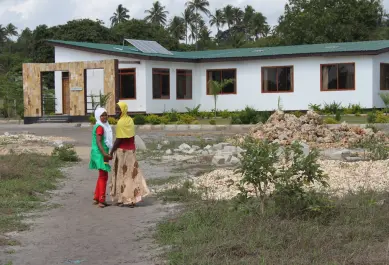
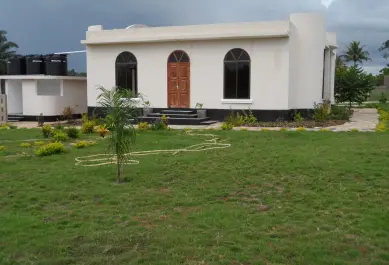
بِسْمِ ٱللَّهِ ٱلرَّحْمَٰنِ ٱلرَّحِيمِ

“The example of those who spend their wealth in the way of Allah is like a seed that sprouts into seven ears, each bearing one hundred grains.”

Why is healthcare infrastructure critical in crises

Conflict, displacement, and poverty often damage or destroy existing healthcare systems. Hospitals may be bombed, clinics abandoned, and medical staff displaced. Even when buildings remain intact, shortages of equipment, medicines, and trained professionals can render facilities ineffective.

Without a reliable healthcare infrastructure, communities face preventable illness, untreated injuries, and worsening chronic conditions. Emergency aid can stabilise situations temporarily, but without permanent or semi-permanent facilities, health needs continue to go unmet.

Healthcare infrastructure provides continuity. Clinics allow early diagnosis, ongoing treatment, and preventive care, reducing pressure on hospitals and improving survival rates across entire populations.

The role of clinics in underserved communities

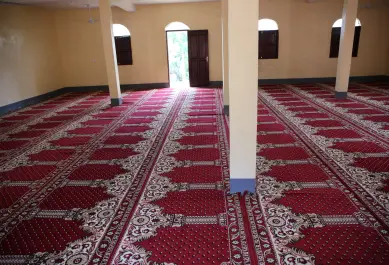
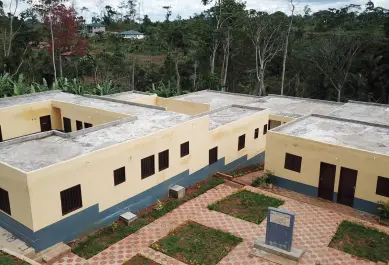
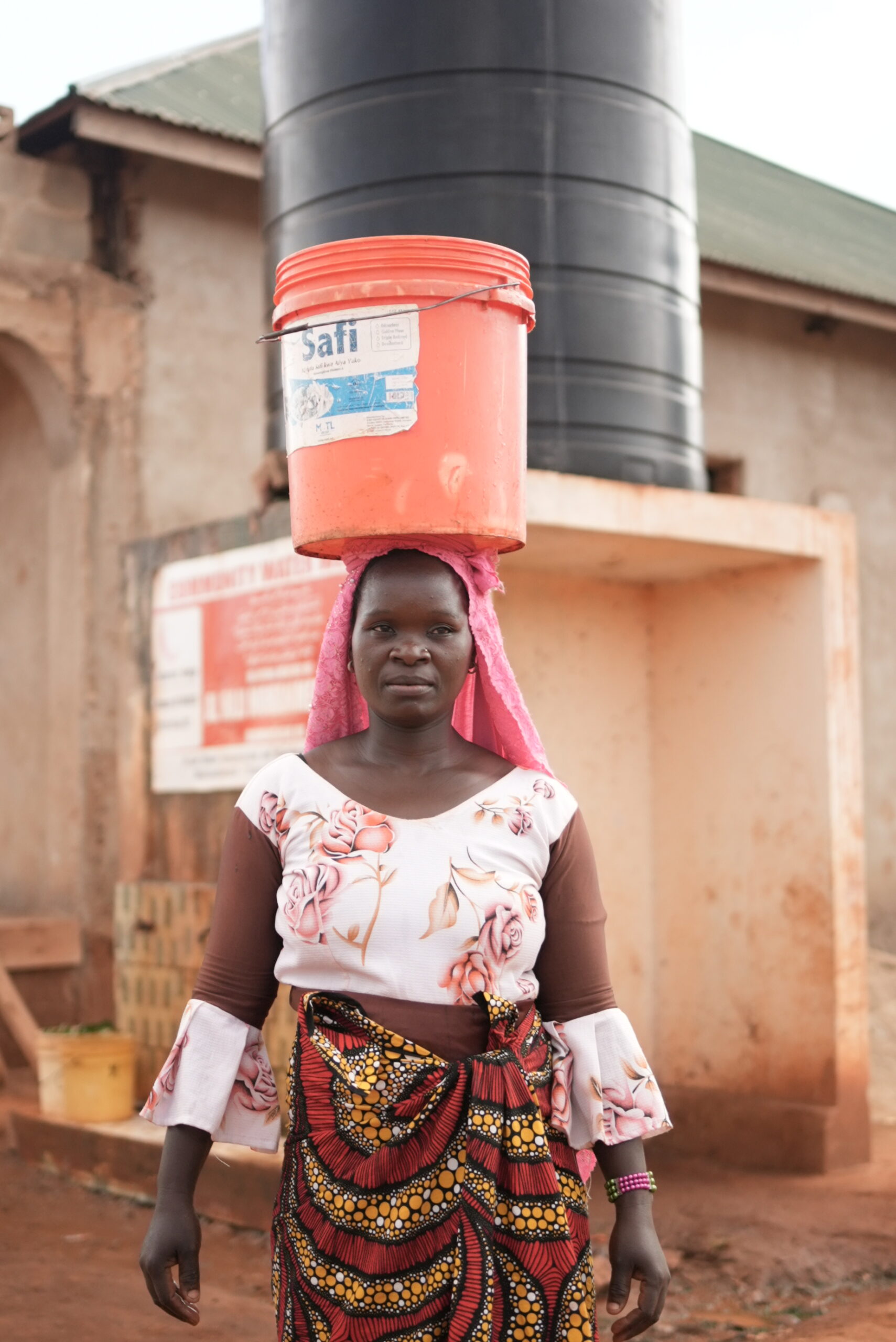
Clinics play a unique role in humanitarian and low-resource settings. They are often the first and only point of contact for medical care, particularly in rural areas, refugee camps, and conflict-affected regions.

A functioning clinic can provide general consultations, maternal and child health services, treatment for common illnesses, and referrals for complex cases. This accessibility allows health issues to be addressed early, preventing complications and reducing mortality.

For communities without reliable transport or financial resources, nearby clinics remove barriers to care. They also create trusted spaces where people can seek help without fear or stigma.

MP 2019 Eco Village 9
Eco Mosque Tanzania (12)
IMG_0770
DCIM100MEDIADJI_0090.JPG
IMG-20210210-WA0013

Islamic Help’s approach to building and supporting clinics

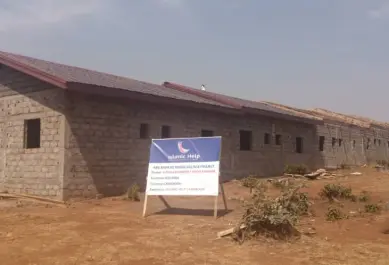
Islamic Help’s Medical & Healthcare Programme supports healthcare infrastructure by establishing clinics, providing facility support, and partnering with local organisations. The goal is not to replace local systems, but to strengthen them where gaps exist.

Clinic projects are designed based on local needs and conditions. Islamic Help works with trusted partners and healthcare professionals to ensure facilities are appropriately equipped, staffed, and managed. This collaborative approach promotes sustainability and community ownership.

Support may include funding clinic operations, supplying essential medical equipment, or expanding existing facilities to meet growing demand. Each intervention is guided by feasibility, impact, and long-term benefit.

Clinics as lifelines in crisis settings

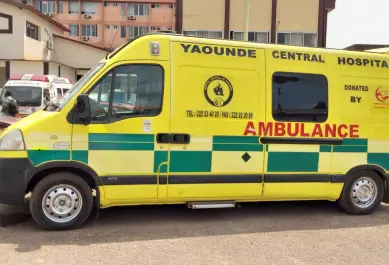
In humanitarian crises, clinics often become lifelines for entire populations. They provide consistent access to care amid instability, offering treatment when hospitals are overwhelmed or inaccessible.

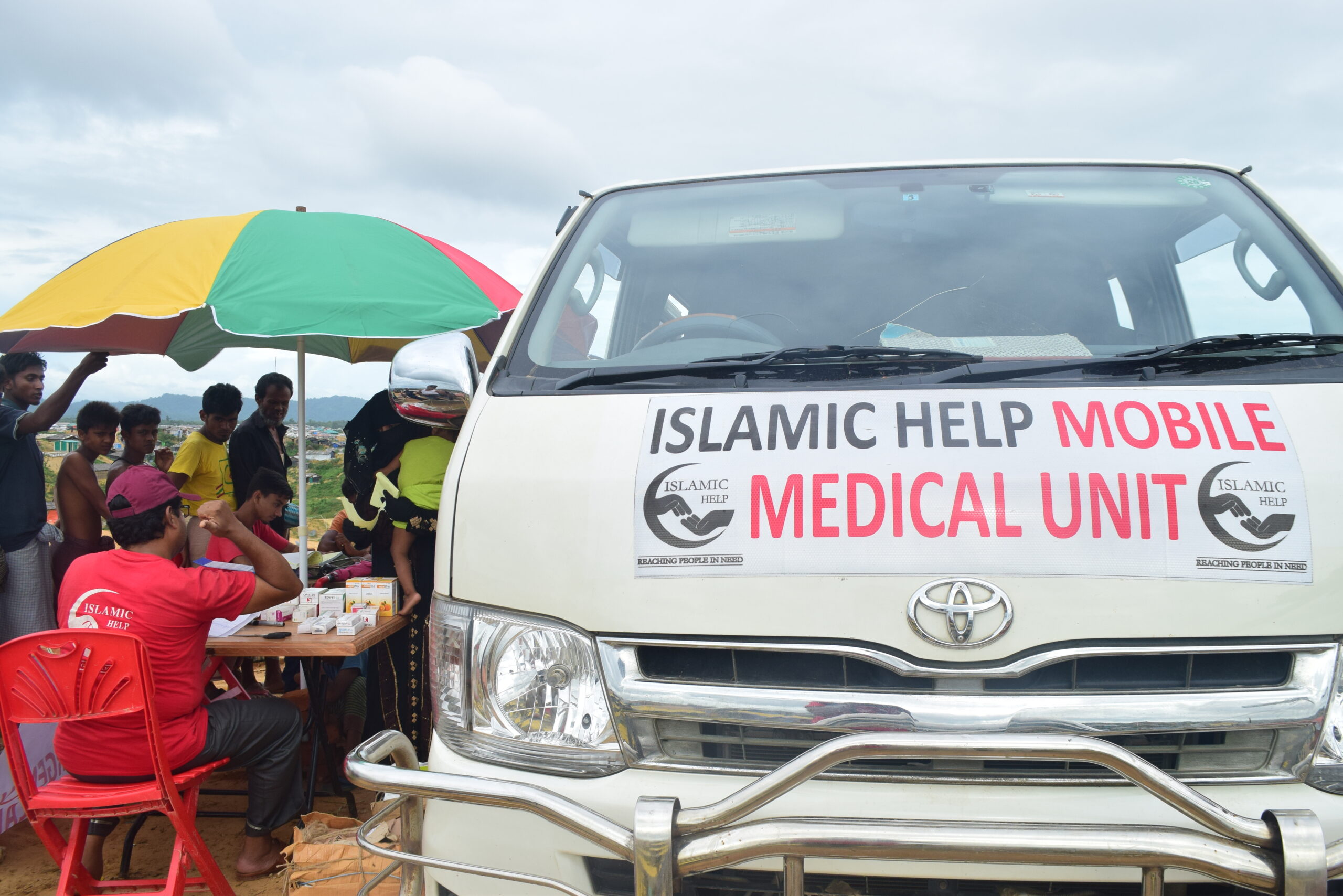
Islamic Help-supported clinics have operated in refugee camps and conflict-affected regions, delivering year-round healthcare to vulnerable populations. These facilities treat thousands of patients annually, addressing both acute illnesses and ongoing health needs.

By maintaining continuous services, clinics help stabilise health outcomes even as external conditions remain volatile. This stability is critical for communities rebuilding their lives.

Supporting maternal and child health through infrastructure

Healthcare infrastructure is particularly important for maternal and child health. Safe pregnancies, childbirth, and early childhood care depend on access to reliable medical facilities.

Clinics supported by Islamic Help provide prenatal and postnatal care, nutrition support, and treatment for childhood illnesses. These services reduce maternal and infant mortality and improve long-term health outcomes.

Infrastructure also enables trained midwives and healthcare workers to operate safely and effectively, strengthening local capacity and ensuring continuity of care for families.

Strengthening local healthcare capacity

Sustainable healthcare infrastructure depends on people as much as buildings. Islamic Help’s Medical & Healthcare Programme emphasises collaboration with local healthcare workers and organisations.

By supporting existing staff and facilities, the programme helps build local capacity rather than creating parallel systems. This approach ensures care is culturally appropriate and more likely to continue beyond external support.

Local partnerships also improve efficiency and accountability, as community-based providers are best placed to understand needs, challenges, and priorities.

Dignity, trust, and ethical delivery

Healthcare infrastructure projects carry significant responsibility. Clinics must operate safely, ethically, and with respect for patient dignity.

Islamic Help applies strict governance standards to all infrastructure projects. Facilities are supported through qualified professionals and reputable partners, with oversight to ensure services meet appropriate healthcare standards.

Patients are treated with respect, confidentiality is maintained, and services are delivered without discrimination. Ethical storytelling and safeguarding principles guide how clinic work is communicated publicly.

Measuring the impact of healthcare infrastructure

The impact of clinics extends beyond individual treatments. Reliable healthcare infrastructure improves overall community health, reduces preventable deaths, and supports long-term resilience.

Clinics supported through Islamic Help’s programme have delivered hundreds of thousands of treatments over time, demonstrating the cumulative impact of sustained healthcare access. Early intervention reduces the severity of illnesses and lowers future healthcare costs.

These outcomes contribute to stronger, healthier communities that are better equipped to recover from crisis and pursue stability.

Accountability and transparency in infrastructure projects

Healthcare infrastructure requires significant trust from donors and communities alike. Islamic Help maintains transparency through reporting, monitoring, and partner oversight.

Projects are documented with clear information about scope, delivery, and outcomes. Donors are informed about how support is used, reinforcing confidence in the programme’s integrity.

This commitment to accountability ensures that healthcare infrastructure investments remain effective, responsible, and aligned with humanitarian best practices.

Why building clinics builds hope

Clinics represent more than physical structures. They symbolise stability, care, and the possibility of a healthier future. For communities affected by conflict or displacement, access to reliable healthcare restores a sense of normality and security.

Islamic Help’s Medical & Healthcare Programme recognises that lasting recovery depends on strong health systems. By supporting clinics and healthcare infrastructure, the programme moves beyond emergency response toward sustainable impact.
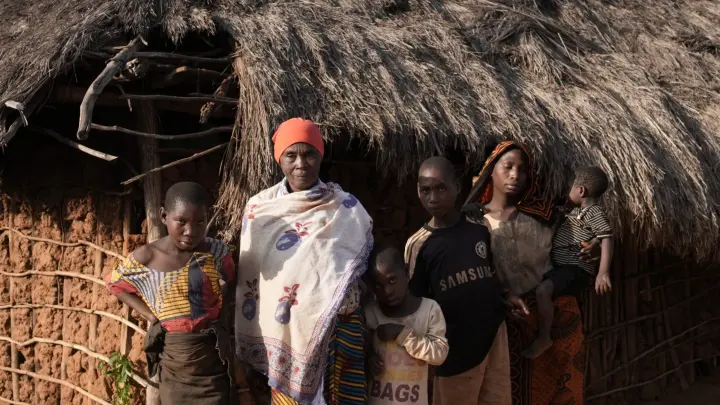
Building clinics builds hope by ensuring that care continues long after crises subside. Through professional delivery, ethical partnerships, and a focus on dignity, healthcare infrastructure becomes a foundation for resilience and renewed opportunity.

FAQs:

  • Why is healthcare infrastructure important in humanitarian settings?
    Healthcare infrastructure is vital because it provides consistent access to medical care beyond emergency response. Clinics allow early diagnosis, ongoing treatment, and preventive care, reducing preventable illness and mortality in communities affected by conflict, displacement, or poverty.
  • How does Islamic Help support healthcare infrastructure?
    Islamic Help supports healthcare infrastructure by funding clinics, supplying medical equipment, and working with trusted partners. These projects strengthen existing health systems, improve access to care, and ensure services are delivered safely and sustainably.
  • Who benefits most from clinic-based healthcare projects?
    Clinic-based healthcare projects benefit vulnerable populations, including refugees, mothers, children, and people with chronic illnesses. Access to nearby clinics removes barriers to care and helps communities manage both acute and long-term health needs.
  • Are clinics part of emergency or long-term medical aid?
    Clinics support both emergency and long-term medical aid. While they provide care during crises, their greatest value lies in continuity, ensuring communities have ongoing access to healthcare even after immediate emergencies have passed.
  • How does Islamic Help ensure clinics are operated responsibly?
    Islamic Help ensures responsible clinic operations through partnerships with qualified professionals, monitoring and reporting systems, and adherence to safeguarding and healthcare standards. Transparency and accountability are central to maintaining trust and delivering ethical medical care.

updates that matter

Empower my Inbox

Healthcare on the Frontlines: Providing Medical Care in Refugee Camps

Healthcare on the Frontlines: Providing Medical Care in Refugee Camps
Latest News

Healthcare on the Frontlines: Providing Medical Care in Refugee Camps

Explore how sustained frontline healthcare in refugee camps saves lives, tackles overcrowding and limited infrastructure, and ensures displaced communities receive consistent, life-saving medical support.

For people forced to flee conflict and persecution, displacement does not end the threat to life and health. Refugee camps are often overcrowded, under-resourced, and located in areas with limited infrastructure. In these environments, access to healthcare becomes a daily struggle, and untreated illnesses can quickly become life-threatening.

Islamic Help’s Medical & Healthcare Programme supports frontline healthcare services in refugee settings through long-term clinic-based care. By sustaining medical facilities in camps hosting displaced populations, the programme provides consistent access to treatment for people who would otherwise be left without care.

This article explores the healthcare challenges faced in refugee camps, why long-term medical clinics are essential, and how Islamic Help delivers life-saving, stabilising healthcare to displaced communities.

بِسْمِ ٱللَّهِ ٱلرَّحْمَٰنِ ٱلرَّحِيمِ

“The example of those who spend their wealth in the way of Allah is like a seed that sprouts into seven ears, each bearing one hundred grains.”

The health challenges of life in refugee camps

Refugee camps are designed as temporary solutions, yet many exist for years or even decades. Overcrowding, poor shelter, and limited sanitation create conditions where disease spreads easily, and health deteriorates quickly.

Residents face a wide range of medical needs, from respiratory infections and gastrointestinal illnesses to chronic conditions such as diabetes and hypertension. Pregnant women, children, and elderly people are especially vulnerable when healthcare services are limited or inconsistent.

Without reliable access to clinics, minor illnesses can escalate into serious conditions. Refugee health care, therefore, requires more than emergency response; it demands sustained, accessible medical services.

Why emergency aid alone is not enough

Initial humanitarian responses often focus on immediate survival needs, such as food, water, and shelter. While these are essential, healthcare cannot be treated as a short-term intervention in displacement settings.

Refugees frequently live in camps for extended periods, during which ongoing medical care is vital. Chronic illnesses require regular monitoring and medication. Children need vaccinations and treatment for common infections. Pregnant women require consistent prenatal and postnatal care.

Without permanent or semi-permanent healthcare facilities, these needs go unmet. Long-term medical clinics bridge this gap by providing continuity of care in environments where healthcare systems do not otherwise exist.

PHOTO-2024-10-01-16-35-37
WhatsApp Image 2026-01-25 at 19.44.40
PHOTO-2024-03-28-17-49-35 (4)
20180408_204834
٢٠١٨١١٢٢_١١١٥٠٥

Islamic Help’s approach to refugee healthcare

Islamic Help’s Medical & Healthcare Programme supports refugee healthcare through sustained clinic operations delivered in partnership with trusted organisations. These clinics provide free or low-cost medical services to displaced populations with limited access to other care.

Services typically include general medical consultations, treatment for common illnesses, basic pharmacy support, maternal and child healthcare, and referral pathways for severe cases requiring hospital treatment.

By operating clinics year-round, Islamic Help ensures that refugees have reliable access to care rather than sporadic emergency interventions. This continuity is essential for maintaining health and stability in camp environments.

The Rohingya refugee clinic model

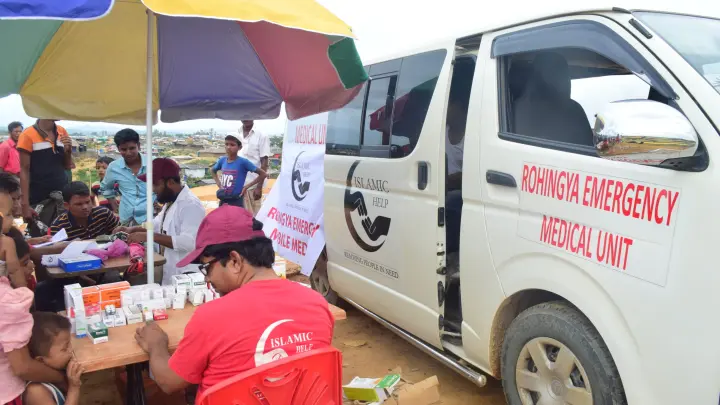
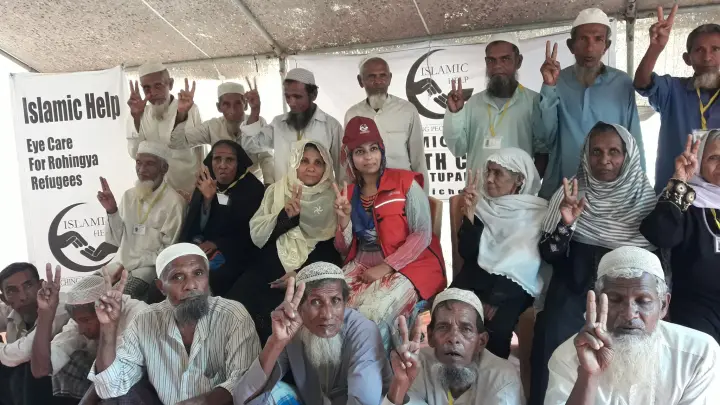
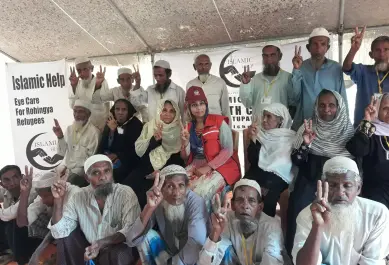
One of the most significant examples of Islamic Help’s refugee healthcare work is its support for a medical clinic serving Rohingya refugees. In camps hosting large displaced populations, access to healthcare is extremely limited, and humanitarian clinics often represent the only source of treatment.

The clinic, supported by Islamic Help’s Medical & Healthcare Programme, provides treatment to thousands of patients each year. Services address a wide range of needs, from childhood illnesses and infections to maternal health and chronic disease management.

This long-term clinic model demonstrates how sustained healthcare delivery can stabilise health outcomes even in the most challenging humanitarian contexts.

Treating both acute and chronic conditions

Healthcare in refugee camps must respond to immediate illnesses while also managing long-term health conditions. Many refugees arrive with untreated chronic diseases that worsen due to stress, poor nutrition, and limited access to medication.

Clinics supported by Islamic Help provide ongoing care for these conditions where possible, helping prevent complications and hospitalisations. Treating chronic illnesses reduces suffering and improves the quality of life for displaced individuals.

At the same time, clinics remain prepared to respond to acute outbreaks and seasonal illnesses, adapting services as needs within the camp population change.

Supporting mothers and children in displacement

Mothers and children make up a large proportion of refugee populations and face heightened health risks in camp settings. Limited nutrition, overcrowding, and restricted access to services increase the likelihood of illness and complications.

Islamic Help-supported clinics provide maternal and child health services, including prenatal care, child health consultations, and treatment for malnutrition and common infections. These services help protect life during critical stages of development.

Supporting maternal and child health in refugee camps also contributes to broader community stability, as healthy families are better able to cope with displacement.

Dignity and trust in refugee healthcare delivery

Healthcare delivery in refugee camps requires trust. Patients may have experienced trauma, loss, and fear, making respectful and compassionate care essential.

Islamic Help’s Medical & Healthcare Programme prioritises dignity and safeguarding in all refugee health services. Patients are treated with respect, confidentiality is maintained, and care is delivered without discrimination.

Communication and storytelling around refugee healthcare follow ethical guidelines, ensuring that individuals are not portrayed in ways that compromise dignity or safety.

Accountability and partnership in clinic operations

Operating healthcare clinics in refugee settings requires strong governance and reliable partnerships. Islamic Help works with experienced local and international partners to ensure clinics are managed professionally and responsibly.

Clinic operations are monitored through reporting and oversight to ensure services remain effective and aligned with healthcare standards. This accountability ensures donor confidence and supports continuous improvement in service delivery.

Partnerships with local healthcare workers also help build capacity and ensure clinics are culturally appropriate and responsive to real needs.

Why refugee healthcare remains a long-term priority

Displacement crises are rarely short-lived. For many refugees, camps become long-term homes, making sustained healthcare essential for survival and well-being.

Islamic Help’s Medical & Healthcare Programme recognises that healthcare in refugee camps is not optional or temporary. By investing in long-term clinics, the programme ensures displaced populations are not left without care once initial emergency responses fade.

Healthcare on the frontlines supports dignity, resilience, and hope for people who have already lost so much. Through consistent, ethical medical care, Islamic Help helps protect life and restore stability for refugee communities.

FAQs:

  • Why is healthcare in refugee camps especially challenging?
    Healthcare in refugee camps is challenging due to overcrowding, limited infrastructure, and prolonged displacement. Many camps lack permanent health facilities, making it difficult to treat illnesses, manage chronic conditions, and support vulnerable groups such as mothers and children.
  • How does Islamic Help support healthcare for refugees?
    Islamic Help supports refugee healthcare by funding and operating long-term medical clinics in partnership with trusted organisations. These clinics provide regular consultations, treatment for common illnesses, maternal and child health services, and referrals for severe medical cases.
  • What types of illnesses are treated in refugee clinics?
    Refugee clinics treat a wide range of conditions, including respiratory infections, gastrointestinal illnesses, malnutrition, and chronic diseases. Clinics also support maternal and child health by providing ongoing care for pregnant women and young children.
  • Why are long-term clinics important in refugee settings?
    Long-term clinics are essential because displacement often lasts for years. Refugees need consistent access to healthcare, not just emergency aid. Permanent or semi-permanent clinics provide continuity of care and help prevent minor illnesses from becoming life-threatening.
  • How does Islamic Help ensure ethical care in refugee clinics?
    Islamic Help ensures ethical care by working with qualified healthcare professionals, respecting patient dignity, and following safeguarding standards. Clinics are monitored through reporting and partnerships to maintain accountability, transparency, and trust in healthcare delivery.

updates that matter

Empower my Inbox

Restoring Sight: How Cataract Surgery Transforms Lives in Vulnerable Communities

Restoring Sight: How Cataract Surgery Transforms Lives in Vulnerable Communities
Latest News

Restoring Sight: How Cataract Surgery Transforms Lives in Vulnerable Communities

Discover how cataract surgery restores sight in vulnerable communities, preventing avoidable blindness, rebuilding independence, and transforming lives through simple, effective humanitarian eye care interventions.

Loss of eyesight is one of the most disabling health challenges a person can face. In many low-income and crisis-affected communities, preventable blindness isolates individuals from education, work, and family life. For those affected, the inability to see often means dependence on others and the loss of independence and dignity.

Islamic Help’s Medical & Healthcare Programme addresses this challenge through cataract surgery camps that restore sight to people living with avoidable blindness. By supporting simple yet highly effective surgical interventions, the programme enables individuals to regain vision and rebuild their lives.

This article explores why cataracts remain a major cause of blindness in vulnerable communities, how cataract surgery works as a humanitarian intervention, and how Islamic Help delivers lasting impact through its eye care initiatives.

بِسْمِ ٱللَّهِ ٱلرَّحْمَٰنِ ٱلرَّحِيمِ

“The example of those who spend their wealth in the way of Allah is like a seed that sprouts into seven ears, each bearing one hundred grains.”

Why cataract blindness remains widespread

Cataracts are one of the leading causes of blindness worldwide, particularly in regions with limited access to healthcare. A cataract develops when the eye’s natural lens becomes cloudy, gradually reducing vision until daily activities become impossible.

In wealthier settings, cataracts are routinely treated through surgery. In low-income and humanitarian contexts, however, access to eye care is limited or nonexistent. Many people live with cataract blindness for years because surgery is unavailable, unaffordable, or inaccessible.

Age, poverty, and limited healthcare infrastructure combine to make cataracts a widespread yet overlooked crisis. Without intervention, individuals who could regain full sight remain trapped in preventable blindness.

The impact of sight loss on individuals and families

Blindness affects far more than eyesight alone. Individuals who lose their vision often lose the ability to work, care for themselves, or participate fully in community life. In many cases, family members must stop working or attending school to provide care.

For older people, cataract blindness can lead to isolation, injury, and declining physical health. For adults of working age, it can mean the loss of income and independence. The ripple effects of blindness, therefore, extend across households and communities.

Restoring sight reverses these outcomes. A single cataract surgery can allow a person to return to work, care for their family, and live independently once again.

Eye Surgery
WhatsApp Image 2026-01-25 at 19.44.40
PHOTO-2024-03-28-17-49-35 (4)
DSC_0069
DSC_0241 (2)

How cataract surgery restores sight

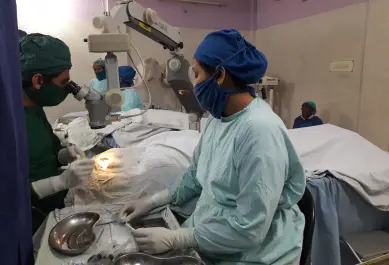
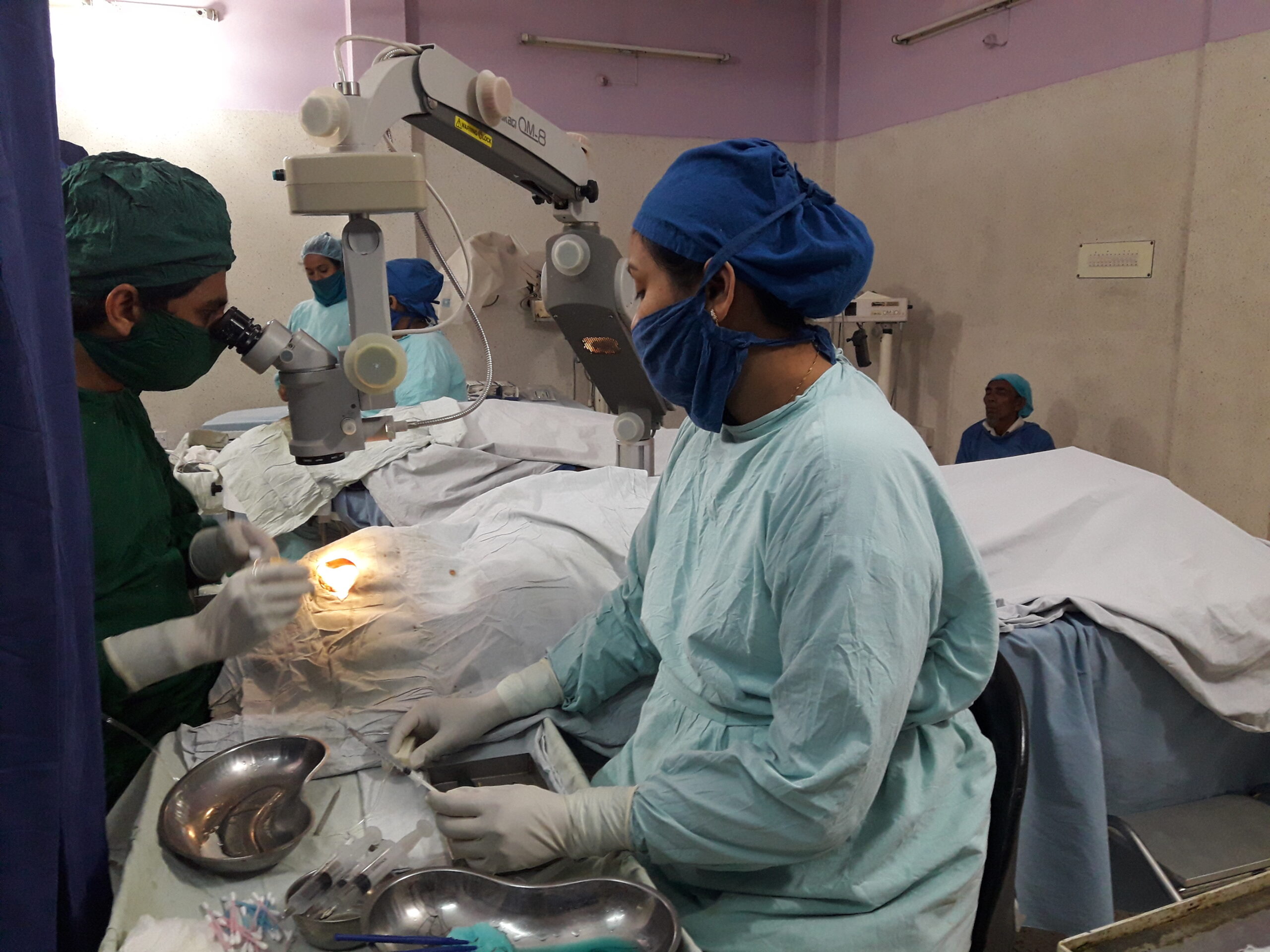
Cataract surgery is a straightforward medical procedure that removes the cloudy lens of the eye and replaces it with a clear artificial lens. When performed by trained professionals in appropriate conditions, the procedure is safe, quick, and highly effective.

For patients who have lived with blindness for years, the results can be immediate and life-changing. Vision is restored, mobility improves, and independence returns.

Despite its effectiveness, cataract surgery remains inaccessible to millions due to shortages of eye care services, equipment, and trained specialists in vulnerable regions. Humanitarian cataract programmes address this gap directly.

Islamic Help’s cataract surgery camps

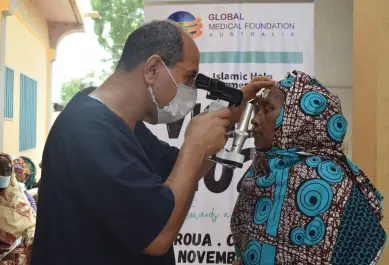
Islamic Help’s Medical & Healthcare Programme supports cataract surgery camps in vulnerable communities across multiple regions. These camps are designed to reach people who would otherwise have no access to eye care.

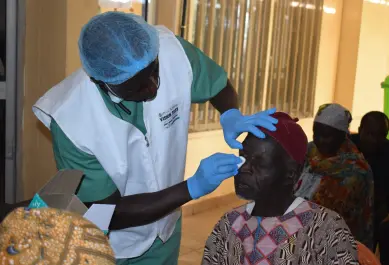
Cataract camps typically involve identifying patients in need, conducting medical assessments, performing surgeries, and providing post-operative care. Services are delivered by qualified medical professionals working with trusted local partners.

By concentrating expertise and resources over a defined period, cataract camps treat large numbers of patients efficiently while maintaining high standards of care. This model ensures maximum impact while responsibly using resources.

Restoring dignity through vision care

Restoring sight is about more than physical health. It is about dignity, autonomy, and participation in daily life. Individuals who regain vision often describe a renewed sense of confidence and purpose.

Islamic Help’s approach to cataract care prioritises respect and safeguarding. Patients are treated with compassion, and services are delivered without discrimination. Storytelling around eye care focuses on empowerment and recovery rather than pity.

This commitment to dignity reflects Islamic principles that emphasise compassion, service, and the preservation of human wellbeing.

Long-term benefits of cataract surgery

The benefits of cataract surgery extend far beyond the operating room. Once sight is restored, individuals can return to work, support their families, and contribute to their communities.

Families benefit when caregivers no longer need to provide constant support for blind relatives. Children may return to school, and household income can stabilise. Communities benefit as more people can participate economically and socially.

Because the effects of cataract surgery are long-lasting, eye care interventions deliver sustained impact over many years.

Accountability and quality in eye care delivery

Medical interventions involving surgery require high levels of trust. Islamic Help ensures cataract programmes are delivered responsibly through qualified professionals and reputable partners.

Surgeries are carried out in appropriate clinical settings, and patients receive follow-up care to support recovery. Projects are monitored and reported to ensure transparency and accountability.

By maintaining professional standards and ethical oversight, Islamic Help ensures that eye care interventions are both safe and effective.

Cataract surgery as a form of lasting charity

Within Islamic charitable traditions, actions that provide ongoing benefit are highly valued. Restoring sight aligns closely with this principle, as the impact of surgery persists long after the intervention.

While the programme focuses on humanitarian delivery rather than religious rulings, many supporters recognise cataract surgery as a form of continuous benefit due to its lasting effects on quality of life.

This understanding helps connect compassionate giving with practical, measurable outcomes that transform lives.

Why eye care remains a medical priority

Preventable blindness remains a significant yet solvable global health challenge. In humanitarian settings, eye care is often overlooked in favour of more visible emergencies, despite its profound impact on wellbeing.

Islamic Help’s Medical & Healthcare Programme recognises eye care as an essential component of holistic healthcare. By investing in cataract surgery camps, the programme addresses a clear medical need with proven, life-changing results.

Restoring sight does more than improve vision. It restores independence, dignity, and hope for individuals and families who have lived too long without access to care.

FAQs:

  • What causes cataract blindness in vulnerable communities?
    Cataract blindness occurs when the eye’s lens becomes cloudy, reducing vision over time. In vulnerable communities, limited access to healthcare, poverty, and a lack of trained specialists mean many people cannot receive the simple surgery needed to restore sight.
  • How does cataract surgery help people regain independence?
    Cataract surgery restores clear vision, allowing individuals to move safely, work, and care for themselves. Regaining sight reduces dependence on family members and enables people to participate fully in daily life and community activities.
  • How does Islamic Help deliver cataract surgery safely?
    Islamic Help delivers cataract surgery through qualified medical professionals and trusted partners. Surgeries are carried out in appropriate clinical settings, with patient assessments, safe procedures, and post-operative care ensuring quality and accountability.
  • Who benefits most from cataract surgery programmes?
    Cataract surgery programmes primarily benefit older people and adults whose vision loss affects independence and income. Restoring sight also benefits families and communities by reducing caregiving burdens and supporting economic participation.
  • Why is cataract surgery considered a high-impact medical intervention?
    Cataract surgery is highly effective, low-risk, and delivers long-term benefits. A single procedure can restore sight for many years, transforming quality of life and making it one of the most impactful medical interventions in humanitarian healthcare.

updates that matter

Empower my Inbox

Rebuilding Lives: Supporting Amputees and People With Disabilities After Conflict

Rebuilding Lives: Supporting Amputees and People With Disabilities After Conflict
Latest News

Rebuilding Lives: Supporting Amputees and People With Disabilities After Conflict

Discover how prosthetics and rehabilitation support help conflict-affected amputees and people with disabilities regain mobility, independence, and dignity while rebuilding their lives after life-changing injuries.

Armed conflict leaves visible and invisible scars. Among the most life-altering consequences are injuries that result in permanent disability, including limb loss. For civilians caught in war zones, surviving an explosion or attack is only the beginning of a long and uncertain journey.

Islamic Help’s Medical & Healthcare Programme supports people living with disabilities caused by conflict through prosthetic limb provision and rehabilitation services. These interventions help restore mobility, independence, and dignity to individuals whose lives have been permanently changed by violence.

This article explains why disability support is a critical part of humanitarian healthcare, how conflict creates long-term rehabilitation needs, and how Islamic Help delivers respectful, life-changing assistance to amputees and people with disabilities.

بِسْمِ ٱللَّهِ ٱلرَّحْمَٰنِ ٱلرَّحِيمِ

“The example of those who spend their wealth in the way of Allah is like a seed that sprouts into seven ears, each bearing one hundred grains.”

Disability as a humanitarian health crisis

In conflict settings, injuries that would normally be survivable often result in permanent disability due to delayed treatment, limited surgical capacity, and shortages of specialist care. Explosions, shrapnel, and collapsing buildings commonly cause traumatic amputations.

The consequences extend beyond physical injury. People with disabilities often face barriers to employment, education, and social participation, particularly in humanitarian contexts where infrastructure and support systems are weak or destroyed.

Without access to prosthetics and rehabilitation, amputees may experience chronic pain, reduced mobility, and dependency on others. Disability, therefore, becomes not only a medical issue, but a social and economic crisis affecting entire families.

How conflict increases the need for prosthetic care

Conflict zones generate high numbers of amputees in short periods of time. Hospitals are forced to prioritise life-saving surgery, often resulting in emergency amputations to prevent infection or death. Rehabilitation services, however, are frequently unavailable or severely under-resourced.

In some settings, specialist prosthetics facilities are damaged or destroyed, leaving survivors without access to follow-up care. This gap between emergency surgery and long-term rehabilitation creates lasting hardship for individuals who survive severe injuries.

Prosthetic limbs and rehabilitation services are, therefore, an essential continuation of emergency medical care. Without them, survival does not translate into recovery or independence.

PHOTO-2024-12-07-07-56-25 (1)
Image (1)
PHOTO-2024-10-01-16-35-37
Media (1) (1)
PHOTO-2024-03-28-17-49-35 (4)

Islamic Help’s approach to disability and rehabilitation

Islamic Help’s Medical & Healthcare Programme recognises disability support as a core component of humanitarian healthcare. Prosthetic limb projects are designed to help amputees regain mobility and rebuild their lives following trauma.

The programme supports the provision of artificial limbs, physiotherapy, and follow-up care through trusted partners and specialist facilities. These services are delivered by qualified professionals, ensuring prosthetics are fitted safely and appropriately.

Beyond physical rehabilitation, the programme emphasises dignity and empowerment. Beneficiaries are supported not as passive recipients of aid, but as individuals with potential, agency, and the right to live independently.

Supporting amputees in Gaza and other conflict settings

Disability rehabilitation has been particularly critical in Gaza, where repeated conflict has resulted in large numbers of amputations. Damage to healthcare infrastructure has limited access to prosthetic services, leaving many injured civilians without pathways to recovery.

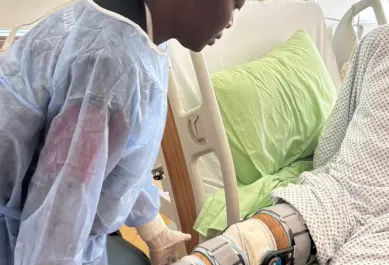
Islamic Help’s prosthetic limb support addresses this gap by enabling amputees to receive artificial limbs and rehabilitation care that would otherwise be inaccessible. These interventions help individuals walk again, return to daily activities, and regain a sense of normality.

Similar approaches are applied in other conflict-affected areas, where disability support is integrated into broader medical responses. By linking emergency care with rehabilitation, Islamic Help helps close the gap between survival and recovery.

Rehabilitation as a pathway to independence

Prosthetic limbs are not simply medical devices; they are tools for independence. When properly fitted and supported with rehabilitation, prosthetics allow individuals to move, work, and participate in community life.

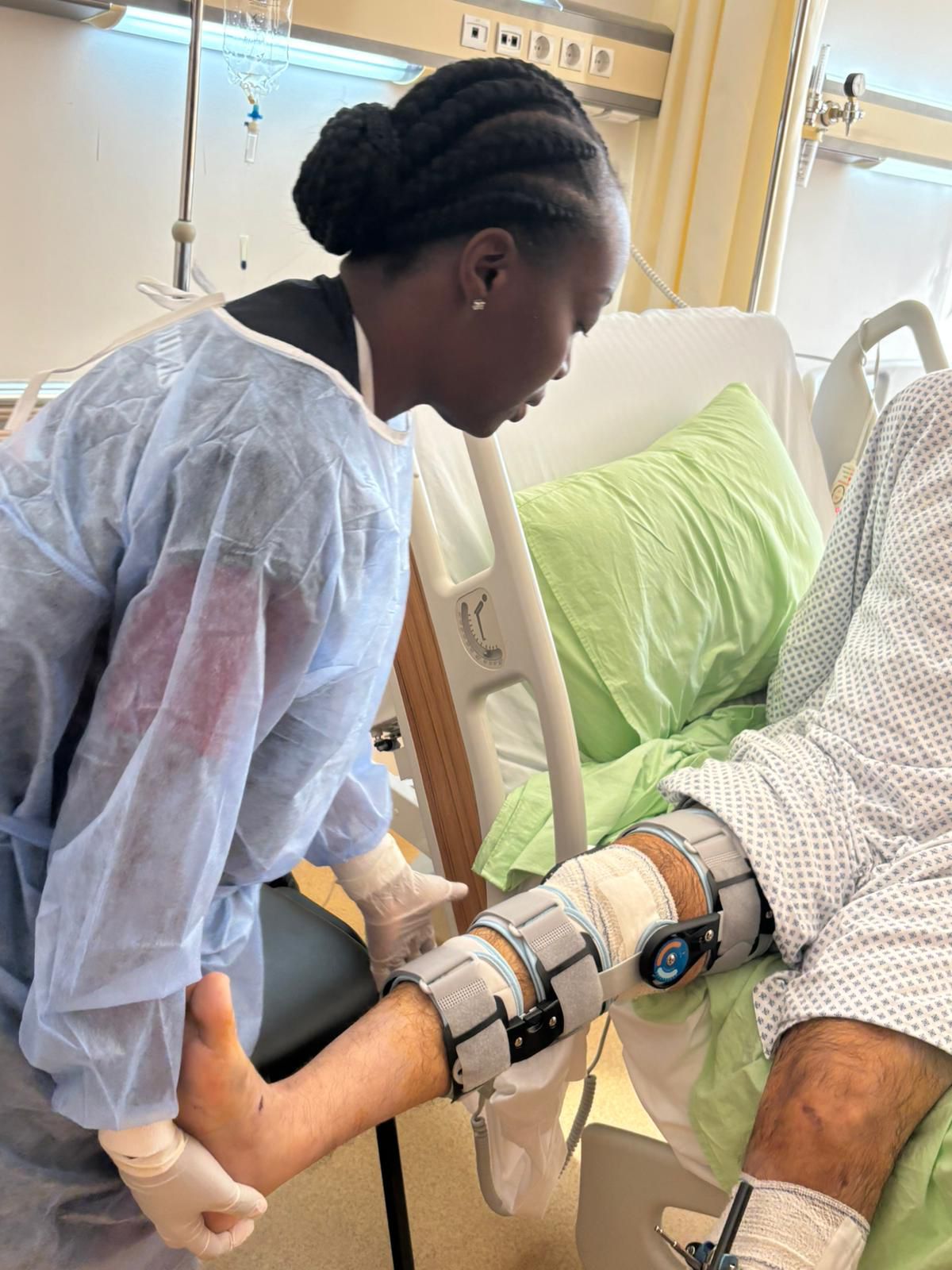
Rehabilitation services help amputees adapt to prosthetics safely, manage pain, and rebuild strength. This process reduces long-term complications and improves quality of life.

For families, rehabilitation reduces dependency and restores household stability. When an injured parent or caregiver regains mobility, the entire family benefits socially and economically.

Dignity and ethical delivery of disability support

Disability support requires sensitivity and respect. Islamic Help’s Medical & Healthcare Programme prioritises dignity at every stage of service delivery, from assessment to rehabilitation.

Beneficiaries are treated with respect, and services are provided without stigma or discrimination. Storytelling around disability focuses on resilience and recovery rather than pity, in line with safeguarding and ethical communication standards.

This approach reflects Islamic principles that emphasise compassion, justice, and the inherent dignity of every person, regardless of physical ability.

Measurable impact of prosthetic and rehabilitation services

The impact of disability rehabilitation is long-term and transformative. Each prosthetic limb represents renewed mobility, reduced pain, and improved independence for an individual who has experienced trauma.

By enabling amputees to return to daily life, rehabilitation reduces long-term healthcare needs and supports social reintegration. These outcomes extend beyond the individual, strengthening families and communities affected by conflict.

Islamic Help documents and monitors prosthetic projects through trusted partners, ensuring accountability while respecting patient privacy.

Accountability and professional standards

Medical rehabilitation is a high-trust intervention. Islamic Help works with qualified professionals and reputable partners to ensure prosthetic services meet appropriate clinical standards.

Projects are monitored through reporting and oversight, with transparency around how funds are used and what services are delivered. This accountability is essential for donor confidence and ethical healthcare delivery.

By maintaining professional standards, Islamic Help ensures disability support is safe, effective, and aligned with humanitarian best practice.

Why disability support must be part of medical aid

Emergency surgery saves lives, but rehabilitation restores futures. Without prosthetics and rehabilitation, amputees face lifelong barriers that extend the impact of conflict far beyond the battlefield.

Islamic Help’s Medical & Healthcare Programme integrates disability support into its broader medical response, recognising that healing does not end when wounds close. Recovery requires sustained care, respect, and opportunity.

By supporting amputees and people with disabilities, medical aid becomes more than emergency relief. It becomes a pathway to dignity, independence, and long-term resilience for survivors of conflict.

FAQs:

  • Why is disability support important after conflict injuries?
    Disability support is essential because many conflict injuries result in permanent impairment. Without prosthetics and rehabilitation, amputees face reduced mobility, pain, and social exclusion. Supporting recovery helps individuals regain independence and reduces long-term hardship for families and communities.
  • How does Islamic Help support amputees in conflict zones?
    Islamic Help supports amputees by funding prosthetic limbs, rehabilitation services, and follow-up care through trusted partners. These services help individuals adapt safely to prosthetics and regain mobility after emergency surgeries resulting from conflict-related injuries.
  • Is prosthetic care part of emergency medical aid?
    Yes. Prosthetic care is a continuation of emergency medical treatment. While surgery saves lives, rehabilitation restores function. Integrating prosthetics into medical aid ensures survivors of conflict injuries have a pathway to recovery, independence, and long-term well-being.
  • Where are disability rehabilitation projects delivered?
    Disability rehabilitation projects are delivered in conflict-affected settings such as Gaza and other areas impacted by war. Services are provided through specialist facilities and local partners to ensure care is accessible, appropriate, and professionally delivered.
  • How does Islamic Help ensure ethical disability support?
    Islamic Help ensures ethical disability support by working with qualified professionals, respecting patient dignity, and following safeguarding standards. Beneficiaries are treated with respect, and services are monitored through transparent reporting to maintain accountability and trust.

updates that matter

Empower my Inbox

Mothers on the Frontline: Maternal and Child Health in Humanitarian Crises

Mothers on the Frontline: Maternal and Child Health in Humanitarian Crises
Latest News

Mothers on the Frontline: Maternal and Child Health in Humanitarian Crises

Explore how maternal and child healthcare in humanitarian crises protects vulnerable mothers and infants, addressing heightened risks and ensuring access to life-saving care despite disrupted health systems.
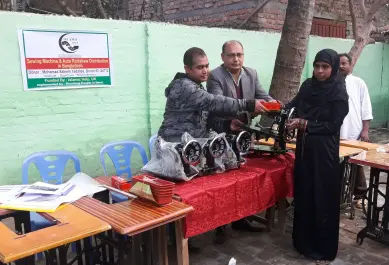
Pregnancy and early childhood should be times of care, safety, and support. In humanitarian crises, however, they often become periods of heightened risk and uncertainty. Conflict, displacement, and the collapse of healthcare systems place mothers and children among the most vulnerable groups in emergencies.

Islamic Help’s Medical & Healthcare Programme addresses these challenges through targeted maternal and child health interventions. By supporting clinics, nutrition services, and frontline healthcare workers, the programme helps protect mothers and children where access to safe medical care has been severely disrupted.

This article explores why maternal and child health is so critical in humanitarian settings, how crises increase risks for women and infants, and how Islamic Help delivers life-saving support with dignity and professionalism.

بِسْمِ ٱللَّهِ ٱلرَّحْمَٰنِ ٱلرَّحِيمِ

“The example of those who spend their wealth in the way of Allah is like a seed that sprouts into seven ears, each bearing one hundred grains.”

Why maternal and child health are at risk during crises

Humanitarian crises disrupt every aspect of healthcare, but maternal and child services are often among the first to suffer. Facilities may close, skilled birth attendants become unavailable, and essential supplies such as medicines and nutritional supplements run out quickly.

Pregnant women face increased risks of complications without access to prenatal care, safe delivery services, and emergency obstetric support. Children are more susceptible to malnutrition, infections, and preventable illnesses when healthcare systems are weakened.

In conflict and displacement settings, these risks are intensified by food insecurity, poor sanitation, and overcrowding. Without timely intervention, otherwise manageable conditions can become life-threatening for both mothers and children.

The humanitarian consequences of weakened maternal care

When maternal healthcare collapses, the effects extend far beyond individual families. Increased maternal and infant mortality places additional strain on already fragile communities, while long-term health complications affect children’s development and survival.

Malnutrition is a significant concern. Pregnant and breastfeeding women require adequate nutrition to support their own health and that of their children. In crisis settings, limited food access and healthcare oversight increase the likelihood of severe malnutrition, particularly among infants and young children.

Addressing maternal and child health is therefore not only a medical priority, but a foundation for wider community resilience. Protecting mothers and children helps stabilise families and supports long-term recovery.

20170203_171110
DSC_0222
20170203_170134
Placeholder
Image Card (3) (1) (1)

Islamic Help’s approach to maternal and child health

Islamic Help’s Medical & Healthcare Programme supports maternal and child health through a combination of clinic-based care, nutrition support, and partnerships with local healthcare providers. These interventions are designed to respond to both immediate needs and longer-term health challenges in crisis-affected areas.

Maternal health clinics supported by Islamic Help provide prenatal and postnatal care, basic obstetric services, and monitoring for complications. These services help identify risks early and support safer pregnancies and deliveries.

Child health services focus on early detection and treatment of malnutrition, common childhood illnesses, and growth-related concerns. By integrating maternal and child care, the programme ensures continuity of support during critical life stages.

Maternal and child health in Yemen and other crisis settings

Maternal and child health interventions have been a core focus of Islamic Help’s work in Yemen, where prolonged conflict has devastated healthcare infrastructure. Clinics supported through the Medical & Healthcare Programme address severe malnutrition and provide essential care for mothers and children who would otherwise have limited access to services.

These clinics deliver nutrition screening, outpatient treatment for malnourished children, and medical support for pregnant and breastfeeding women. By operating within affected communities, services are accessible to families who may be unable to travel long distances for care.

Similar approaches are applied in other humanitarian contexts, including refugee settings, where overcrowding and limited resources place mothers and children at heightened risk. In each case, services are adapted to local needs and conditions.

The role of skilled healthcare workers

Access to skilled healthcare workers is essential for effective maternal and child health services. Islamic Help works with qualified medical professionals and trusted partners to ensure care is delivered safely and responsibly.

Local doctors, nurses, and midwives play a critical role in programme delivery. By supporting existing healthcare workers, Islamic Help helps strengthen local capacity rather than creating parallel systems. This approach improves sustainability and ensures services remain culturally appropriate.
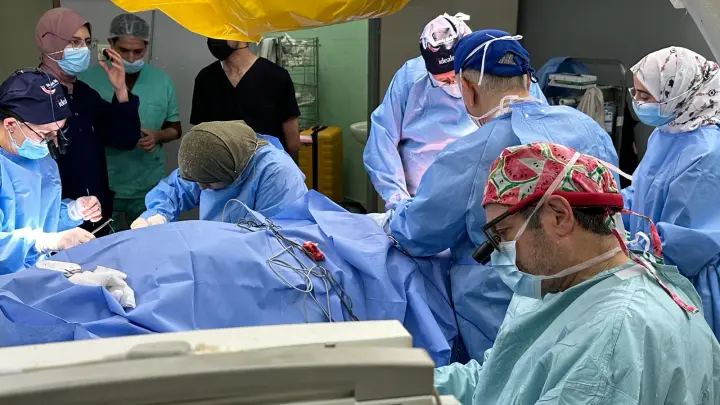
In crisis environments, healthcare workers often operate under extreme pressure. Providing them with resources, support, and training helps maintain service quality during prolonged emergencies.

Protecting dignity and cultural sensitivity

Maternal and child health care requires sensitivity, trust, and respect. Islamic Help’s Medical & Healthcare Programme prioritises dignity in service delivery, recognising the importance of cultural norms and patient comfort.

Women are supported in environments that respect privacy and local customs, particularly during pregnancy and childbirth. This focus on dignity encourages greater service uptake and helps overcome barriers that may prevent women from seeking care.

Ethical storytelling and safeguarding principles are also applied when sharing information about maternal health work. Beneficiaries are represented respectfully, without exploitation or intrusion into personal experiences.

Impact of maternal and child health interventions

The impact of maternal and child health services is measured in lives protected and futures secured. Early detection of complications reduces maternal mortality, while timely nutrition and healthcare support improve survival and development outcomes for children.

Clinics supported by Islamic Help have delivered thousands of health consultations, nutrition screenings, and treatments. These interventions prevent minor conditions from becoming severe and reduce the long-term health burden on families and communities.

Beyond immediate outcomes, maternal health services contribute to broader stability. Healthy mothers are better able to care for their families, while healthy children are more likely to attend school and thrive.

Accountability and trust in healthcare delivery

As with all medical interventions, maternal and child health programmes require high levels of accountability. Islamic Help maintains strict governance standards to ensure services are delivered ethically, safely, and transparently.

Projects are implemented through verified partners, monitored through reporting, and reviewed to ensure alignment with healthcare standards. Donors are provided with clear information about programme scope and impact, reinforcing trust in how support is used.

This commitment to accountability is especially important in healthcare, where outcomes directly affect life and well-being.

Why maternal and child health remains a priority

In humanitarian crises, the needs of mothers and children are both urgent and enduring. Short-term emergency care must be paired with sustained support to protect health during pregnancy, infancy, and early childhood.

Islamic Help’s Medical & Healthcare Programme recognises this reality by investing in maternal and child health as a core pillar of humanitarian response. By supporting clinics, healthcare workers, and nutrition services, the programme helps ensure that even in the most challenging environments, mothers and children are not left behind.

Protecting maternal and child health is not only about survival. It is about safeguarding dignity, strengthening families, and laying the foundations for recovery and resilience in communities affected by crisis.

FAQs:

  • Why are mothers and children especially vulnerable in humanitarian crises?
    Mothers and children face higher risks because crises disrupt access to healthcare, nutrition, and safe living conditions. Pregnancy complications, malnutrition, and preventable illnesses become more dangerous without medical support. Addressing maternal and child health is essential to reducing mortality and protecting long-term well-being.
  • How does Islamic Help support maternal health in crisis settings?
    Islamic Help supports maternal health by working with clinics that provide prenatal and postnatal care, basic obstetric services, and medical monitoring. These services help identify complications early, support safer pregnancies, and ensure women receive care during and after childbirth.
  • What kind of support do children receive through these programmes?
    Children receive nutrition screening, treatment for malnutrition, and care for common illnesses. Early intervention helps prevent long-term health problems and reduces child mortality. Integrated services ensure children are supported alongside their mothers during critical stages of development.
  • Where does Islamic Help deliver maternal and child health services?
    Maternal and child health services are delivered in crisis-affected regions such as Yemen and in refugee settings where healthcare access is limited. Programmes are adapted to local conditions and delivered through trusted partners and qualified healthcare professionals.
  • How does Islamic Help ensure maternal health services are delivered ethically?
    Islamic Help ensures ethical delivery by working with qualified medical staff, respecting cultural norms, and following safeguarding standards. Services prioritise patient dignity, privacy, and safety, while transparent reporting and oversight maintain accountability and trust.

updates that matter

Empower my Inbox

Lifesaving Trauma Care in Conflict Zones: How Medical Aid Saves Lives

Lifesaving Trauma Care in Conflict Zones: How Medical Aid Saves Lives
Latest News

Lifesaving Trauma Care in Conflict Zones: How Medical Aid Saves Lives

Learn how Islamic Help delivers emergency trauma care in conflict zones, supplying surgeons and essential supplies to overwhelmed hospitals, saving lives through timely treatment.

In conflict zones, injury and illness are not only more frequent but also far more deadly. Hospitals operate under extreme pressure, supplies are scarce, and trained specialists are often unavailable when they are needed most. In these environments, timely trauma care can mean the difference between life and death.

Islamic Help’s Medical & Healthcare Programme responds to these realities by supporting emergency trauma care in conflict-affected areas. Through the deployment of specialist surgeons, the provision of essential medical supplies, and partnerships with local hospitals, Islamic Help helps deliver life-saving care where healthcare systems are overwhelmed or damaged by war.

This article explains how trauma care works in conflict settings, why it is so critical, and how Islamic Help turns medical aid into real, measurable impact for civilians caught in crisis.

بِسْمِ ٱللَّهِ ٱلرَّحْمَٰنِ ٱلرَّحِيمِ

“The example of those who spend their wealth in the way of Allah is like a seed that sprouts into seven ears, each bearing one hundred grains.”

Why trauma care is critical during conflict

Armed conflict creates a unique medical emergency. Civilians are injured by blasts, shrapnel, burns, and collapsing infrastructure, often in large numbers and over short periods of time. Hospitals must treat severe injuries continuously, frequently without adequate equipment, electricity, or medication.

Without rapid trauma care, injuries that would normally be survivable become fatal. Delays increase the risk of infection, permanent disability, and death. Children, women, and elderly people are particularly vulnerable, as their bodies are less able to withstand blood loss, shock, and untreated wounds.

Trauma care addresses these risks directly. Emergency surgery, wound management, and stabilisation prevent complications and reduce long-term harm. In conflict zones, trauma care is not a specialised service; it is the backbone of emergency healthcare.

How conflict overwhelms local healthcare systems

In war-affected regions, healthcare infrastructure is often damaged or destroyed. Hospitals may be partially operational, overcrowded, or forced to function with limited staff and supplies. Local doctors and nurses work under immense strain, often without rest, as they treat an unrelenting flow of patients.

Specialist expertise is frequently unavailable. Complex injuries require trained trauma and reconstructive surgeons, yet many conflict zones lack sufficient specialists due to displacement, insecurity, or resource shortages. Even when skilled staff are present, the absence of surgical tools, consumables, or sterile environments limits what can be done.

Islamic Help’s trauma care interventions are designed to support these overstretched systems, not replace them. By reinforcing existing hospitals and teams, emergency medical aid helps restore critical capacity during the most dangerous moments of conflict.

Media (1) (1)
PHOTO-2024-10-01-16-35-37
PHOTO-2024-03-28-17-49-35 (4)
WhatsApp Image 2026-01-25 at 19.44.40
20180408_204834

Islamic Help’s approach to emergency trauma care

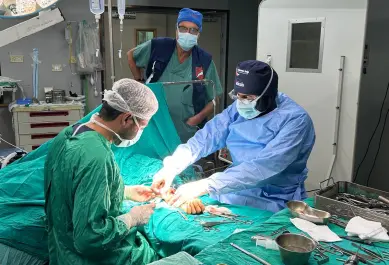
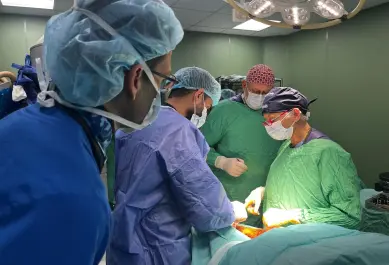
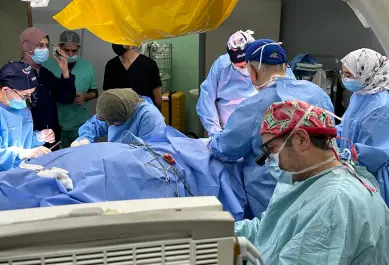
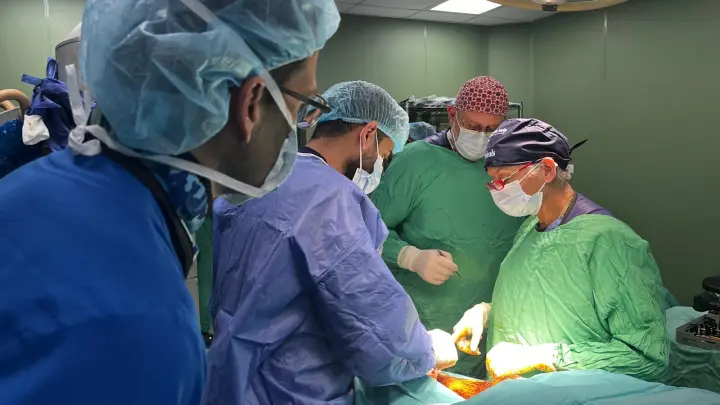
Islamic Help delivers trauma care through a coordinated model that combines skilled personnel, medical equipment, and local partnerships. One key component is the deployment of specialist surgeons to conflict zones, particularly in response to acute crises.

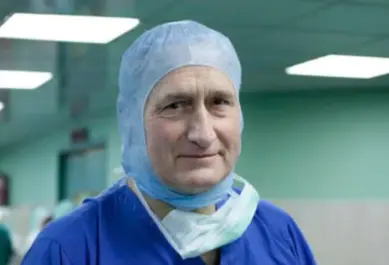
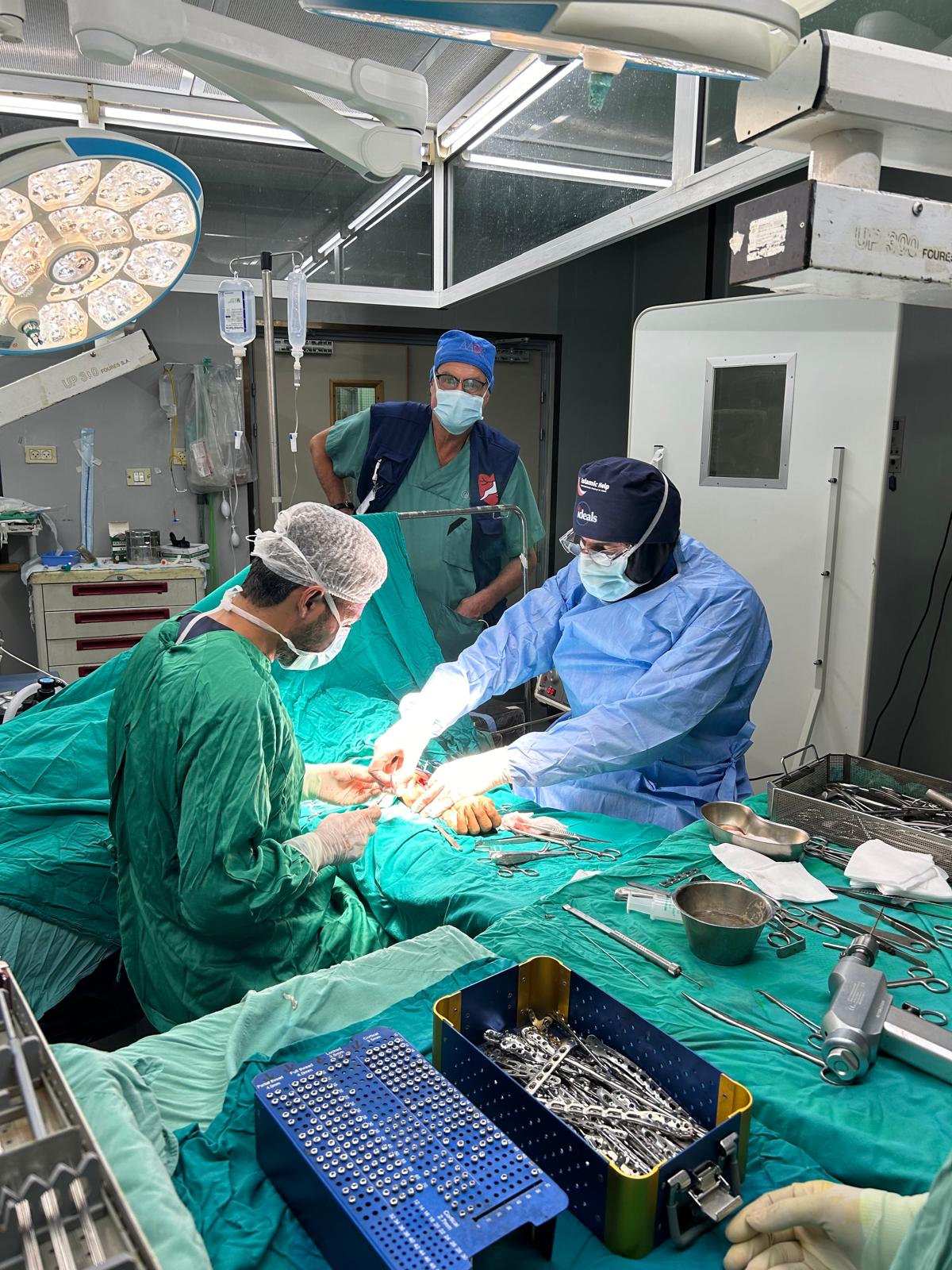
These surgeons work alongside local medical teams in frontline hospitals, performing complex, life-saving operations under extremely challenging conditions. Their presence increases surgical capacity, allowing more patients to be treated quickly and effectively.

Alongside personnel, Islamic Help supports hospitals with essential medical supplies. In many conflict settings, shortages of consumables such as surgical instruments, dressings, and sterilisation materials severely limit care. Supplying these resources enables hospitals to continue operating safely during emergencies.

All interventions are delivered in coordination with trusted partners and local facilities, ensuring that care is culturally appropriate, ethically delivered, and aligned with real needs on the ground.

Trauma care in Gaza and other conflict settings

Conflict-related trauma care has been a central focus of Islamic Help’s medical response in places such as Gaza. During periods of intense fighting, hospitals receive large numbers of critically injured civilians, including children with severe blast and shrapnel wounds.

Islamic Help has supported surgical deployments in these settings, helping hospitals manage complex injuries that require immediate intervention. These operations often prevent amputations, control life-threatening infections, and save limbs as well as lives.

Trauma care in such environments is not limited to surgery alone. It also includes post-operative care, infection control, and coordination with rehabilitation services for patients who survive with long-term injuries. Emergency interventions therefore, form part of a broader continuum of care.

Protecting dignity in emergency medical care

Delivering trauma care during conflict requires more than technical skill. Patients are often frightened, displaced, and grieving. Maintaining dignity, respect, and compassion is essential, particularly when treating vulnerable populations.

Islamic Help’s Medical & Healthcare Programme prioritises ethical delivery and safeguarding. Care is provided without discrimination, and patients are treated with respect regardless of background or circumstance. Medical teams focus on preserving dignity even in overcrowded or under-resourced settings.

This approach aligns with Islamic principles that emphasise the sanctity of life and the obligation to relieve suffering. Trauma care is delivered not solely as charity, but as a moral responsibility to protect human life.

Measurable impact of trauma care interventions

The impact of emergency trauma care is immediate and tangible. Each successful surgery represents a life saved, a limb preserved, or a permanent disability prevented. For families, this means the survival of a parent, child, or loved one who might otherwise have been lost.

Beyond individual outcomes, trauma care stabilises healthcare systems during crises. By reinforcing hospitals with additional capacity and resources, Islamic Help helps prevent system collapse during peak periods of violence.

These interventions also reduce long-term humanitarian burden. Preventing amputations and severe complications lowers future rehabilitation needs and supports faster recovery for affected communities.

Transparency and trust in medical aid delivery

Medical aid is a high-trust area. Donors must be confident that support translates into real, ethical care. Islamic Help maintains strict standards of transparency and accountability across all trauma care interventions.

Projects are delivered through verified partners and qualified professionals. Outcomes are documented through reports, field updates, and verified accounts from deployment teams. This transparency ensures donor confidence while respecting patient privacy and safeguarding requirements.

By combining professional oversight with responsible communication, Islamic Help ensures that emergency trauma care is both effective and trustworthy.

Why emergency trauma care remains essential

As long as conflict continues to affect civilian populations, emergency trauma care will remain a critical humanitarian need. Injuries cannot be postponed, and lives cannot wait for systems to recover.

Islamic Help’s Medical & Healthcare Programme responds to this reality by delivering rapid, professional trauma care when it is needed most. Through skilled personnel, essential supplies, and ethical partnerships, medical aid becomes a lifeline for communities facing the worst consequences of war.

Trauma care saves lives not only in the moment of crisis, but long after, by preserving health, dignity, and the possibility of recovery.

FAQs:

  • Why is trauma care so important in conflict zones?
    Trauma care is critical because injuries in conflict settings are often severe and life-threatening. Without rapid surgical intervention and proper treatment, otherwise survivable wounds can become fatal. Trauma care prevents infections, reduces long-term disability, and saves lives when healthcare systems are overwhelmed by violence.
  • How does Islamic Help support trauma care during conflicts?
    Islamic Help supports trauma care by deploying specialist surgeons, supplying essential medical equipment, and working with local hospitals in conflict zones. These interventions increase surgical capacity, strengthen overstretched healthcare systems, and ensure civilians receive urgent life-saving treatment during emergencies.
  • Who benefits most from emergency trauma care?
    Civilians injured during conflict benefit most from emergency trauma care, particularly children, women, and elderly people. These groups are especially vulnerable to complications from untreated injuries. Trauma care helps protect life, preserve limbs, and reduce long-term disability among affected populations.
  • Is trauma care only about surgery?
    No. Trauma care includes emergency surgery, wound management, infection control, and post-operative care. In conflict settings, it also involves stabilising patients, coordinating follow-up treatment, and linking survivors to rehabilitation services when injuries result in long-term health needs.
  • How does Islamic Help ensure trauma care is delivered responsibly?
    Islamic Help delivers trauma care through qualified medical professionals and trusted partners, following strict ethical and safeguarding standards. Care is coordinated with local hospitals, monitored through reporting, and delivered with respect for patient dignity, ensuring accountability and trust in medical aid delivery.

updates that matter

Empower my Inbox

Join Mission Possible

Interested in volunteering? Tell us a little about yourself and our team will be in touch with next steps.

    Still want to join?

    This mission is currently full. Add your email address and we'll let you know if a place becomes available.

      Updates that matter

      Join our mailing list for events, urgent appeals, and project updates from the communities you help empower.

        We use cookies to make your visit even better

        They help us understand how our website is used so we can improve your experience and share the stories and projects you care about most. All data is anonymous, and your privacy matters to us.