The Importance and Significance of Qurbani in Islam

The Importance and Significance of Qurbani in Islam
Latest News

The Importance and Significance of Qurbani in Islam

Explore the importance of Qurbani in Islam, how it reflects obedience and devotion, and why this act of worship holds deep spiritual and social significance.

Qurbani is one of the most profound acts of worship in Islam. Performed during Eid al-Adha, it represents obedience, gratitude, and a willingness to give for the sake of Allah. Understanding the importance of Qurbani in Islam goes beyond knowing how or when to perform it; it requires understanding why this act matters spiritually and socially.

Every year, Muslims around the world perform Qurbani as an act of devotion, reviving a prophetic legacy that combines faith, charity, and compassion.
بِسْمِ ٱللَّهِ ٱلرَّحْمَٰنِ ٱلرَّحِيمِ

“The example of those who spend their wealth in the way of Allah is like a seed that sprouts into seven ears, each bearing one hundred grains.”

The Significance of Qurbani in Islam

The significance of Qurbani is rooted in the story of Prophet Ibrahim (peace be upon him). When Allah commanded Ibrahim to sacrifice his son Ismail, Ibrahim demonstrated complete submission and trust. At the moment of sacrifice, Allah replaced Ismail with a ram, showing that what Allah seeks is sincerity, not bloodshed.

This moment defines Qurbani as an act of sacrifice based on obedience rather than ritual alone. When Muslims offer a sacrifice, they symbolically reaffirm that faith comes before personal attachment, wealth, or comfort.

Qurbani as an Act of Worship and Devotion

Qurbani is not merely symbolic; it is a living act of Qurbani that reflects obedience in action. Like prayer and fasting, performing Qurbani is a way of worshipping Allah through tangible sacrifice.

The Qur’an reminds believers that it is not the meat or blood that reaches Allah, but sincerity. Through this act of devotion, Muslims detach from materialism and strengthen their relationship with Allah, which is why many scholars say Qurbani brings you closer to Allah.

Why Qurbani Matters Beyond the Individual

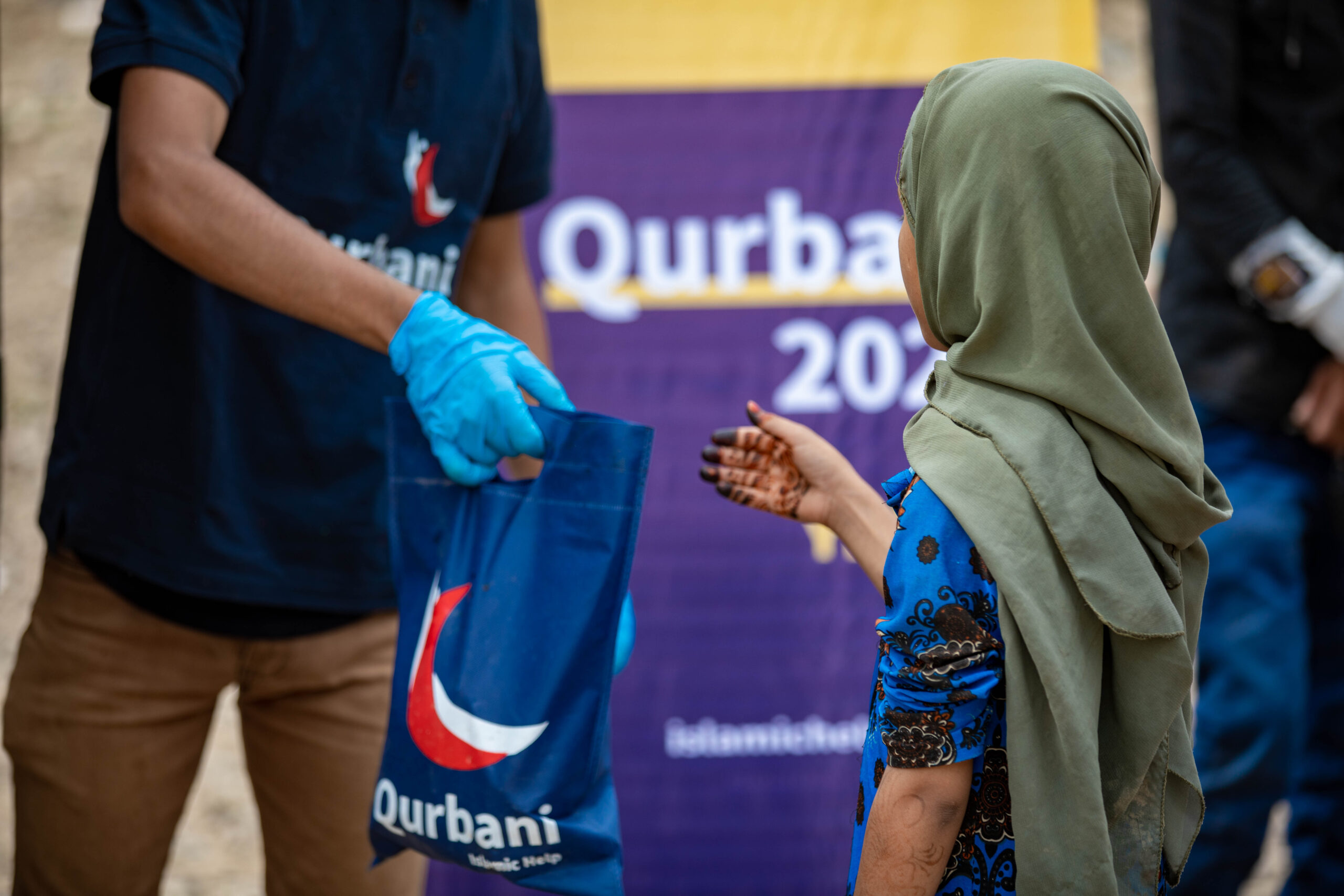
While Qurbani is a personal act of worship, its impact extends far beyond the individual. Through Qurbani charity, meat is distributed to those who would otherwise go without, making Eid a collective celebration rather than a private one.

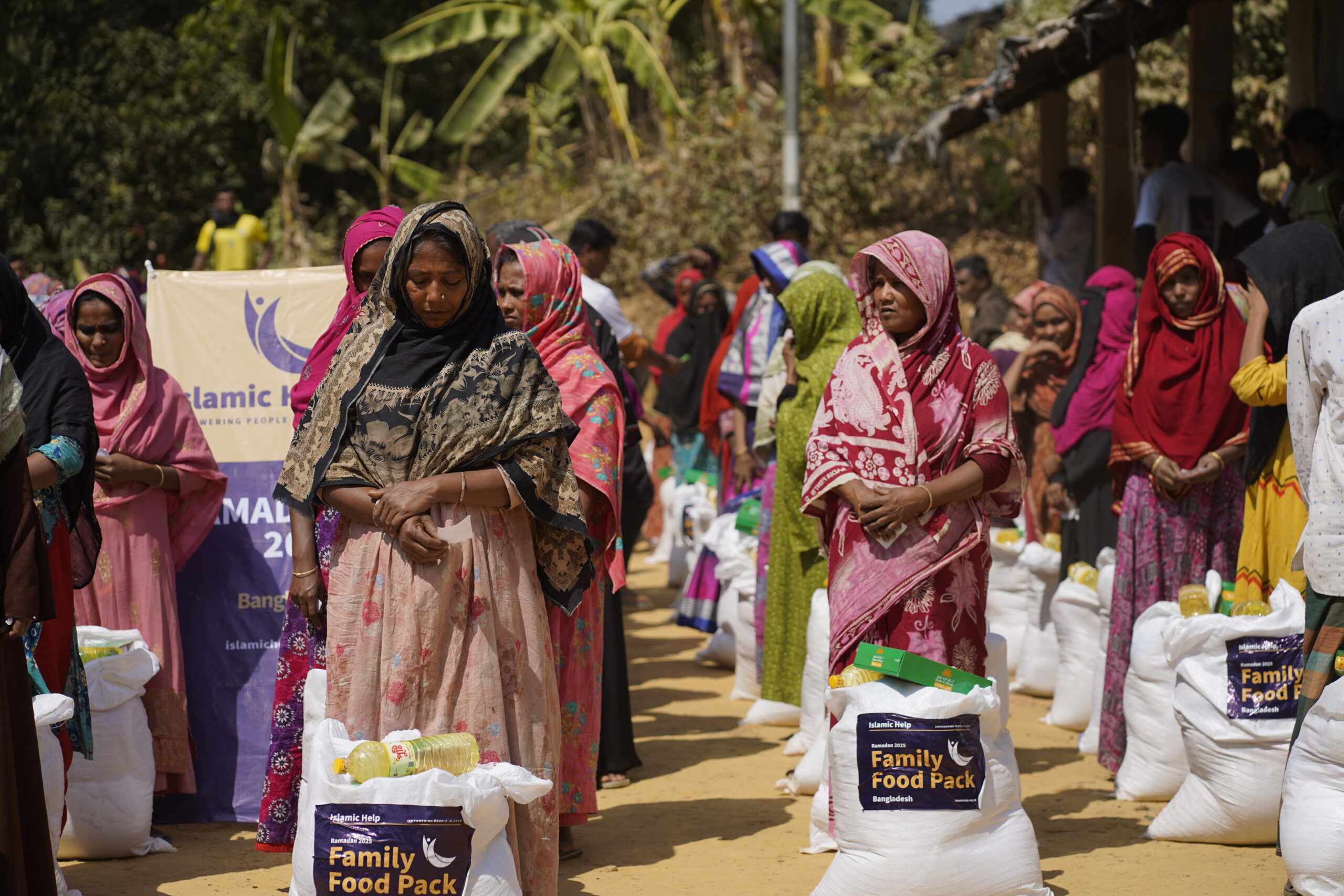
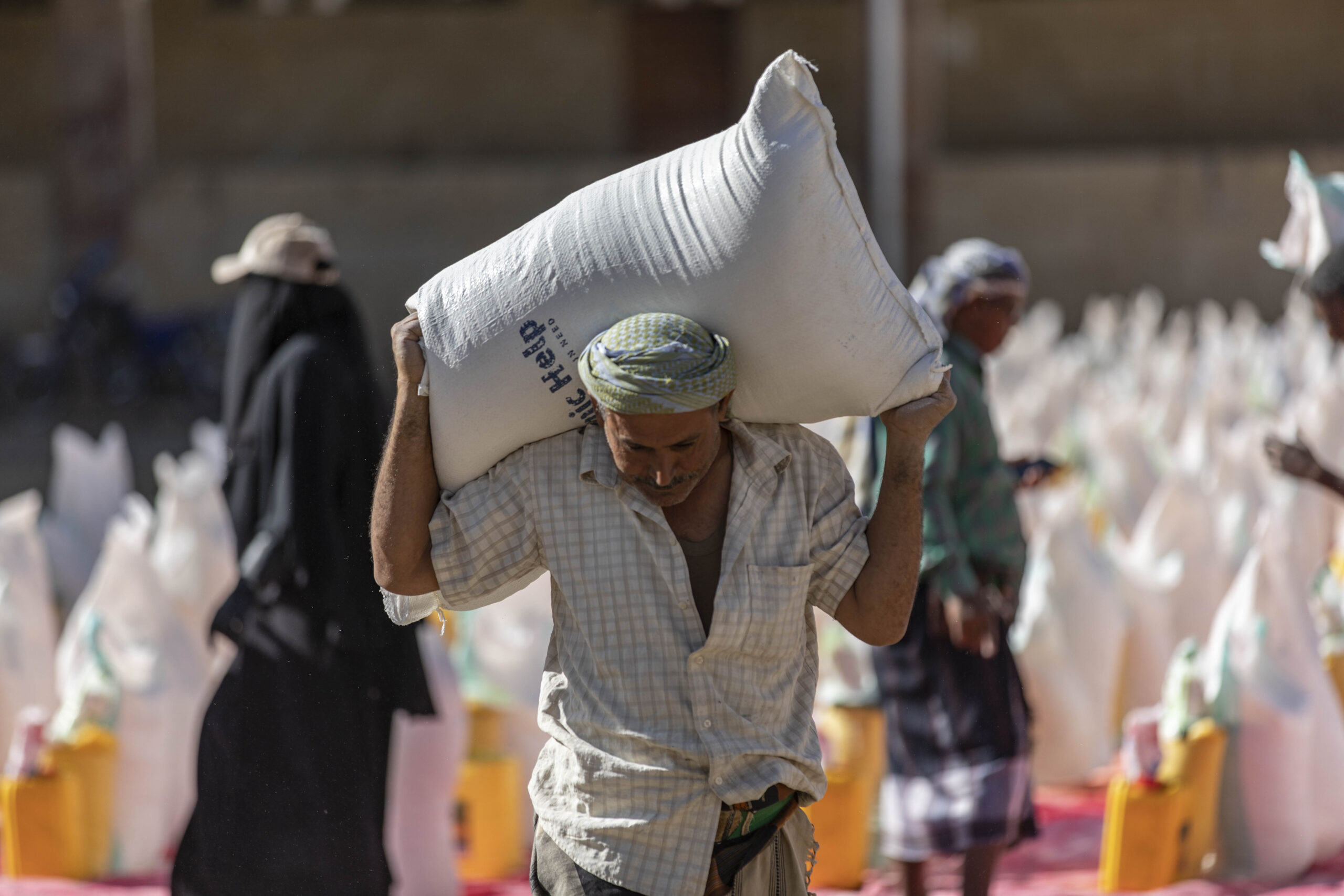
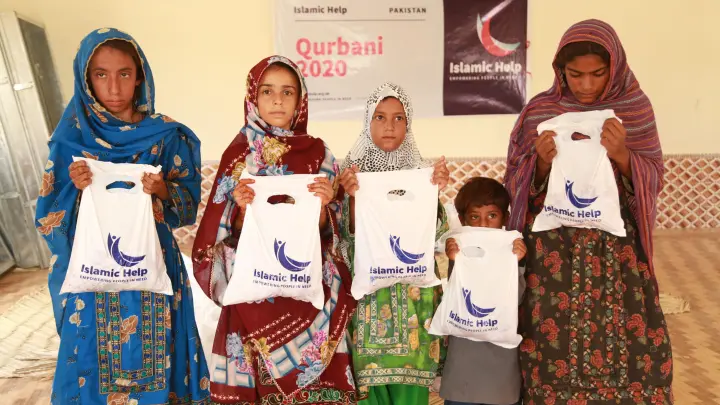
The benefits of Qurbani meat distribution are especially visible in regions where people live in poverty. In many communities, Eid al-Adha is the only time of year families receive fresh meat. This makes Qurbani a vital form of Muslim charity that directly supports dignity, nourishment, and well-being.

Feeding the Poor and Helping Needy Families

One of the clearest social purposes of Qurbani is feeding the poor during Eid. After the sacrifice, meat is shared with relatives, neighbours, and those in need. This tradition ensures that helping needy families is embedded in the act itself.

Through Qurbani, Muslims support households facing hardship, food insecurity, or displacement. In regions across Africa, Asia, and the Middle East, Qurbani plays a crucial role in providing protein-rich food to families who may struggle year-round.

Eid al Adha Charity and Global Impact

Qurbani is one of the largest annual charitable acts in the Muslim world. As an Eid al Adha charity, it mobilises millions of sacrifices across continents during the same sacred days.

Whether performed locally or through a charity, Qurbani connects believers globally through a shared purpose. This global coordination reinforces unity within the Ummah and ensures that aid reaches areas with the greatest need.

Who Must Give Qurbani and Why That Matters

Understanding who must give Qurbani helps frame its importance correctly. While Qurbani is obligatory or strongly emphasised only for eligible Muslims, its wider meaning benefits everyone.

Even those not required to give Qurbani benefit indirectly through its charitable reach. This reinforces the idea that Qurbani is not just about obligation, but about shared responsibility and care for others.

Prophetic Qurbani and Giving on Behalf of Others

The Prophet Muhammad ﷺ went beyond obligation by offering an extra sacrifice, known today as Prophetic Qurbani. This additional sacrifice was offered as a Qurbani on behalf of others, specifically for members of the Ummah who could not afford to give.

This practice shows how Qurbani can be both worship and charity. Giving on behalf of others extends the blessings of Eid and reflects leadership, mercy, and responsibility toward the community.

Donating Qurbani in the Modern World

Today, many Muslims choose to donate their Qurbani through trusted organisations. A Qurbani donation allows the sacrifice to be performed correctly while ensuring the meat reaches those who need it most. Those who wish to fulfil their Qurbani can do so through our Qurbani programme here.

For Muslims living far from areas of hardship, donating Qurbani ensures the act of sacrifice maintains its intended impact, supporting families who might otherwise miss out on Eid’s blessings.

The Timing and Sacred Days of Qurbani

Qurbani is performed during the days of Dhul Hijjah, specifically on the day of Eid al Adha and the days that follow. These days fall within the month of Dhul Hijjah, one of the most sacred periods in the Islamic calendar.

By performing the sacrifice during these days, Muslims align their worship with the rituals of Hajj and the legacy of Prophet Ibrahim, reinforcing the spiritual depth of the act.

A Lasting Act With Eternal Reward

Qurbani is more than a momentary ritual. As an act of worship, it leaves a lasting impact on both the giver and the recipient. It nurtures generosity, humility, and awareness of others’ needs.

Islam teaches that charitable deeds performed sincerely continue to benefit a person beyond this life. Through Qurbani, Muslims invest in their Hereafter while addressing real human needs in the present.

FAQs:

  • Why is Qurbani important in Islam?
    Qurbani is important because it represents obedience to Allah and follows the example of Prophet Ibrahim. It combines worship with charity, allowing Muslims to demonstrate faith through sacrifice while feeding the poor and supporting communities during Eid al-Adha.
  • How does Qurbani help people living in poverty?
    Qurbani helps people living in poverty by providing fresh meat during Eid al-Adha, often the only time of year they receive it. This improves nutrition, restores dignity, and allows vulnerable families to take part in the joy of Eid alongside the wider Muslim community.
  • Does Qurbani bring spiritual reward?
    Yes. Qurbani carries significant spiritual reward because it combines sacrifice, charity, and obedience. Islamic teachings state that sincere sacrifice brings reward for every part of the animal, and the act itself strengthens faith and draws the believer closer to Allah.
  • What role does charity play in Qurbani?
    Charity is central to Qurbani. After the sacrifice, meat is distributed to relatives and those in need. This ensures Qurbani functions as both worship and social support, making Eid a shared celebration and reinforcing responsibility toward others.
  • Can Qurbani be given on behalf of others?
    Yes. Qurbani may be given on behalf of others, including the poor or deceased relatives. This practice follows the example of the Prophet ﷺ, who offered an additional sacrifice for members of the Ummah unable to perform Qurbani themselves.
  • How does donating Qurbani increase its impact?
    Donating Qurbani through a charity allows the sacrifice to reach areas of greatest need. It ensures proper execution, ethical distribution, and maximum benefit for families facing hardship, especially in regions affected by poverty or conflict.
  • Why is Qurbani linked to Eid al-Adha?
    Qurbani is linked to Eid al-Adha because the festival commemorates Prophet Ibrahim’s willingness to sacrifice his son. Performing Qurbani during Eid connects Muslims to this legacy and aligns worship with one of the most sacred moments in the Islamic calendar.
  • Is Qurbani only about sacrificing an animal?
    No. While Qurbani involves sacrificing an animal, its true meaning lies in the intention and obedience behind it. The Qur’an teaches that sincerity is what reaches Allah, making Qurbani an act of faith, charity, and devotion rather than ritual alone.

updates that matter

Empower my Inbox

The Importance of Qurbani – Spiritual Benefits, Rewards, and Humanitarian Impact

The Importance of Qurbani – Spiritual Benefits, Rewards, and Humanitarian Impact
Latest News

The Importance of Qurbani – Spiritual Benefits, Rewards, and Humanitarian Impact

Explore Qurbani’s spiritual benefits, rewards, and humanitarian impact, showing how this act of worship expresses devotion, compassion, and lasting support for vulnerable communities.

Qurbani is one of the most profound acts of worship in Islam. Performed during Eid al-Adha, it is far more than a ritual sacrifice; it is an expression of devotion, gratitude, obedience, and compassion. Understanding the importance of Qurbani helps Muslims appreciate its lasting spiritual and social impact.

بِسْمِ ٱللَّهِ ٱلرَّحْمَٰنِ ٱلرَّحِيمِ

“The example of those who spend their wealth in the way of Allah is like a seed that sprouts into seven ears, each bearing one hundred grains.”

Why Qurbani matters in Islam

Qurbani commemorates the ultimate act of submission demonstrated by Prophet Ibrahim, who was willing to sacrifice what he loved most for Allah’s command. By performing Qurbani, Muslims reaffirm their commitment to prioritising faith over material attachments.

Allah reminds believers that it is not the meat or blood that reaches Him, but the sincerity and piety behind the act.

Spiritual rewards of Qurbani

The Prophet Muhammad (peace be upon him) described Qurbani as one of the most beloved deeds performed during Eid al-Adha. He taught that for every hair of the sacrificed animal, the believer receives a reward.

This immense reward reflects Allah’s generosity and the elevated status of Qurbani among acts of worship, particularly during the blessed days of Dhul Hijjah.

Qurbani and forgiveness

Many scholars explain that Qurbani, when performed sincerely, becomes a means of spiritual purification. Acts of sacrifice that involve wealth and intention are known to soften the heart, cleanse minor sins, and strengthen one’s relationship with Allah.

The moment of sacrifice is also considered an ideal time for supplication.

Personal growth through Qurbani

Qurbani instils essential values within believers:

  • Sacrifice: Letting go of wealth for Allah’s sake
  • Gratitude: Recognising personal blessings
  • Humility: Acknowledging dependence on Allah
  • Discipline: Following divine instructions precisely

These lessons extend beyond Eid and shape a believer’s character throughout the year.

Humanitarian impact of Qurbani

One of the most powerful aspects of Qurbani is its humanitarian reach. In many regions, Eid al-Adha is the only time families eat meat all year. Qurbani provides nourishment, dignity, and joy to millions.

Through charitable distribution, Qurbani addresses food insecurity, supports local economies, and strengthens community bonds across borders.

Qurbani as a complete act of worship

Qurbani combines multiple dimensions of faith:

  • Worship and remembrance
  • Charity and social justice
  • Ethical treatment of animals
  • Community celebration

Few acts of worship unite so many principles in a single deed.

Why Qurbani should not be neglected

When someone is able but neglects Qurbani, they miss an opportunity for immense reward and service to others. Islam emphasises that worship involving sacrifice carries lasting benefit in both this life and the Hereafter.

Qurbani is not a burden – it is a gift.

Conclusion

Qurbani is prescribed not because Allah needs sacrifice, but because believers need its spiritual refinement and humanitarian impact. Through Qurbani, Muslims grow closer to Allah while uplifting those in need. Those who wish to take part in this act of worship can do so through our Qurbani programme here.

By embracing this act with sincerity, gratitude, and generosity, Qurbani becomes a source of mercy for both the giver and the receiver.

FAQs:

  • What are the main rewards of giving Qurbani?
    Qurbani carries immense reward, including a reward for every hair of the sacrificed animal. It is among the most beloved deeds to Allah during Eid al-Adha and helps purify wealth, increase piety, and strengthen faith. Its rewards extend to both spiritual growth and social impact.
  • How does Qurbani benefit the wider community?
    Qurbani provides nutritious food to families who rarely eat meat, allowing them to celebrate Eid with dignity. It strengthens social bonds, supports local livelihoods, and ensures that vulnerable communities are included in the joy of Eid al-Adha through shared generosity.
  • Why is Qurbani considered so important in Islam?
    Qurbani symbolises obedience, sacrifice, and compassion. It commemorates a defining moment of faith in Islamic history while combining worship with charity. Its importance lies in both spiritual purification and tangible benefit to humanity, making it one of Islam’s most comprehensive acts of worship.

updates that matter

Empower my Inbox

What Is a Prophetic Qurbani and Why Give an Extra Sacrifice?

What Is a Prophetic Qurbani and Why Give an Extra Sacrifice?
Latest News

What Is a Prophetic Qurbani and Why Give an Extra Sacrifice?

Learn what Prophetic Qurbani is, why giving an extra sacrifice is encouraged, and how it reflects compassion, generosity, and care for the wider Ummah.

During Eid al-Adha, Muslims around the world perform Qurbani as a core act of worship. Alongside the required sacrifice, Islam also encourages generosity beyond obligation. One such practice is known as voluntary Qurbani, often referred to as Sunnah or Prophetic Qurbani, where an additional sacrifice is offered purely out of compassion for others.

This practice reflects giving Qurbani on behalf of others and, more broadly, on behalf of the Ummah, following the example of the Messenger of Allah ﷺ, who consistently prioritised the needs of his community.

بِسْمِ ٱللَّهِ ٱلرَّحْمَٰنِ ٱلرَّحِيمِ

“The example of those who spend their wealth in the way of Allah is like a seed that sprouts into seven ears, each bearing one hundred grains.”

What Is Qurbani on Behalf of the Ummah?

Qurbani on behalf of the Ummah refers to offering an extra Qurbani voluntarily, after fulfilling one’s own required sacrifice. The intention is that the reward and benefit of this offering go to those who are unable to perform Qurbani themselves.

Historical narrations describe how the Prophet Muhammad ﷺ offered a second sacrifice as a sacrifice from his Ummah, ensuring that the poorest members of the community were not excluded from the blessings of Eid al-Adha. This was an act of mercy, not obligation.

The Sunnah Behind Giving Voluntary Qurbani

Several narrations recorded by scholars such as Tabarani and Ahmad mention that the beloved Prophet ﷺ would offer two sacrifices during Eid. One was for himself and his household, while the second was offered on behalf of others.

This additional sacrifice later became known as Sunnah Qurbani. It is a voluntary Qurbani, not required by Islamic law, but strongly encouraged for those who are able. Through this act, Muslims follow a prophetic example of generosity and responsibility toward the wider community.

Is Voluntary Qurbani Mandatory?

No. Voluntary Qurbani is not mandatory. Islam does not obligate believers to give more than they can afford, and there is no sin in offering only the required Qurbani.

However, for those with surplus wealth after fulfilling their own obligation, offering an extra sacrifice is considered a greatly rewarding act. By doing so, a believer may double their rewards, earning a reward for the sacrifice itself and for helping others experience Eid with dignity.

Who Should Consider Giving Qurbani on Behalf of Others?

Giving Qurbani on behalf of others is most suitable for Muslims who:

  • Have already completed their required Qurbani
  • Possess surplus wealth
  • Wish to increase their charitable impact during Eid

It is especially encouraged for those eligible to pay Zakat and still financially comfortable. Offering Qurbani on behalf of the Ummah allows others to share in the joy and nourishment of Eid al-Adha.

When Is Voluntary Qurbani Performed?

Just like the required sacrifice, voluntary Qurbani must be performed during the prescribed days of Eid. This includes the day of Dhul Hijjah when Eid prayer takes place, and the days that follow.

Any extra sacrifice must be made on these same days for it to count as Qurbani. Performing it outside this timeframe turns it into a general charity rather than a Qurbani sacrifice.

Where Does the Meat From Extra Qurbani Go?

When Qurbani is offered on behalf of others, the meat is typically distributed entirely to poor and vulnerable families. The intention is not personal consumption but to enable others to benefit from the blessings of Eid.

In many regions, this extra sacrifice provides the only opportunity each year for families to receive fresh meat, allowing them to celebrate Eid al-Adha with dignity and nourishment.

Donating Your Qurbani Through Charity

Many Muslims choose to donate their Qurbani through a trusted charity. When you donate, the organisation acts as your agent, ensuring the sacrifice is carried out correctly and during the proper days. Those who wish to offer a voluntary Qurbani on behalf of others can do so through our Qurbani programme here.

By choosing to donate your Qurbani, you can fulfil a voluntary Qurbani on behalf of others while ensuring the meat reaches communities facing poverty, displacement, or food insecurity, all in accordance with Islamic guidelines.

The Spiritual Meaning of Giving Qurbani for the Ummah

Offering Qurbani for the Ummah nurtures empathy, humility, and shared responsibility. It transforms Eid from a personal celebration into a collective one, reminding Muslims that the Ummah is interconnected.

By reviving this practice, believers follow the example of the Prophet ﷺ, described in narrations as the Ummah’s one who bore the burdens of his people. Giving an extra sacrifice becomes a living expression of gratitude to Allah SWT and care for others.

FAQs:

  • What does voluntary Qurbani mean?
    Voluntary Qurbani refers to an additional sacrifice given beyond a person’s required Qurbani. It follows the example of the Prophet Muhammad ﷺ, who offered an extra sacrifice on behalf of members of the Ummah who could not afford their own Qurbani, making it an act of charity and compassion.
  • Is giving Qurbani on behalf of the Ummah compulsory?
    No. Giving Qurbani on behalf of the Ummah is not compulsory. It is a voluntary act inspired by the Sunnah of the Prophet ﷺ. Muslims are only required to fulfil their obligatory or strongly emphasised Qurbani, and any extra sacrifice should be offered only if it can be done without hardship.
  • When should voluntary Qurbani be performed?
    Voluntary Qurbani must be performed during the same days as the required Qurbani, starting after the Eid prayer on the day of Dhul Hijjah and continuing through the remaining days of Eid ul Adha. Outside this period, the sacrifice becomes general charity rather than Qurbani.
  • Where is the meat from Qurbani for the Ummah distributed?
    Meat from Qurbani for the Ummah is usually distributed entirely to poor and vulnerable families. The aim is to support those who cannot afford Qurbani, allowing them to receive fresh meat and share in the joy and nourishment of Eid al-Adha.
  • Can I donate my Qurbani on behalf of others?
    Yes. You can donate your Qurbani on behalf of others by appointing a charity as your agent. The organisation ensures the sacrifice is performed during the correct days and distributes the meat responsibly to those in need.
  • Does voluntary Qurbani replace my required Qurbani?
    No. Voluntary Qurbani does not replace your required Qurbani. If Qurbani is obligatory or strongly emphasised for you, it must be fulfilled first. Any additional sacrifice is optional and should only be offered after completing your own.
  • How does Islamic Help support Qurbani for the Ummah?
    Islamic Help supports Qurbani for the Ummah by sourcing eligible animals, performing the sacrifice during Eid al-Adha, and distributing the meat to vulnerable communities. Each donation is treated as a charitable offering, ensuring compliance with Islamic guidelines and maximising benefit for those in need.
  • What reward is associated with donating extra Qurbani?
    Donating extra Qurbani carries great reward because it combines sacrifice, charity, and following the Sunnah. By helping others experience Eid, the giver earns reward for the sacrifice itself and for feeding those in need, increasing the overall spiritual benefit of the act.

updates that matter

Empower my Inbox

How to Perform Qurbani Correctly in Islam

How to Perform Qurbani Correctly in Islam
Latest News

How to Perform Qurbani Correctly in Islam

Learn how to perform Qurbani correctly in Islam, understanding intention, rules, and guidance to ensure your sacrifice is valid, accepted, and spiritually meaningful.

Understanding how to perform Qurbani is essential to ensure this important act of worship is valid and accepted. Qurbani is not simply about sacrificing an animal; it is about intention, obedience, and following the guidance established by Allah and His Messenger. When carried out correctly, Qurbani becomes a deeply meaningful act that reaches Allah through sincerity.

Whether done personally or through a trusted organisation, carrying out Qurbani must follow clear Islamic principles so that the sacrifice fulfils both its spiritual and charitable purposes.

بِسْمِ ٱللَّهِ ٱلرَّحْمَٰنِ ٱلرَّحِيمِ

“The example of those who spend their wealth in the way of Allah is like a seed that sprouts into seven ears, each bearing one hundred grains.”

What Does Performing Qurbani Involve?

At its core, Qurbani involves offering a sacrifice from specific sacrificial animals during Eid al-Adha. Performing Qurbani correctly requires attention to timing, the type of animal used, intention, the method of slaughter, and the way the meat is distributed. Each of these elements played a major role in how Qurbani was practised by Prophet Muhammad and the early Muslim community.

Qurbani is an act of worship that combines devotion to Allah with care for others, ensuring that obedience and compassion go hand in hand.

When Must Qurbani Be Performed?

Qurbani is performed on the day of Eid and the following two days. Specifically, it must take place on the 10th, 11th, or 12th day of Dhul Hijjah, which falls within the month of Dhul Hijjah, the final month of the Islamic calendar.

The sacrifice becomes valid only after the Eid prayer on the first day. Any animal slaughtered before the Eid prayer does not count as Qurbani and is treated as ordinary charity. This timing is connected to the legacy of Prophet Ibrahim and how Eid al-Adha is celebrated across the Muslim world.

Which Animals Are Permitted for Qurbani?

Only specific sacrificial animals are permitted for Qurbani. These include sheep, goats, cattle, and camels. This category, sheep, goats, cattle and camels, is explicitly recognised in Islamic sources.

A sheep or goat is considered a small animal and counts as one Qurbani for one person. Larger animals, such as cattle and camels, may be shared by up to seven people, with each share counting as a complete Qurbani. Animals outside these categories are not valid for Qurbani.

Age and Health Requirements for a Qurbani Animal

For Qurbani to be valid, the Qurbani animal must meet minimum age and health requirements. Sheep and goats must be at least one year old, cattle must be at least two years old, and camels must be at least five years old.

The animal must also be healthy and free from serious defects. Prophet Muhammad forbade sacrificing animals that are blind, severely lame, clearly sick, or extremely weak. Offering a healthy animal reflects respect for the worship and ensures the sacrifice is acceptable.

The Correct Method of Slaughtering an Animal

The Qurbani method emphasises mercy and dignity. Prophet Muhammad taught that excellence should be shown even when you slaughter an animal.

The slaughter must be carried out using a sharp knife to minimise suffering. The knife should not be sharpened in front of the animal, and the name of Allah must be mentioned at the time of slaughter. The throat should be cut correctly to allow the blood to flow. Whether you slaughter an animal yourself or appoint someone else, these principles must be followed.

Intention (Niyyah) When Offering Qurbani

A clear intention is required when offering a sacrifice. The intention does not need to be spoken aloud, but it must be present in the heart.

If you are offering Qurbani on behalf of someone else, such as a family member or through Qurbani donations, the intention should clearly specify who the Qurbani is for. Intention is what transforms the physical act into an act of worship.

How Is Qurbani Meat Distributed?

After the sacrifice, the meat must be distributed responsibly. Islamic guidance encourages dividing the meat into three portions: one portion for the household, one for relatives or neighbours, and one for those in need.

This distribution ensures that Qurbani fulfils its charitable purpose. In many regions, fresh meat is distributed quickly so families can benefit during Eid itself, making Qurbani a source of nourishment and dignity.

Performing Qurbani Through Charity

Many Muslims choose to fulfil Qurbani through Qurbani donations, particularly when living in urban areas or outside Muslim-majority countries. When Qurbani is performed through a charity, the organisation acts as an agent on behalf of the donor. Those wishing to fulfil their Qurbani through a trusted process can do so through our Qurbani programme here.

The charity ensures the sacrifice is performed on the correct days, uses approved animals, and distributes meat to vulnerable communities. This approach is widely accepted and allows Qurbani to reach areas where need is greatest.

Who Is Eligible to Perform Qurbani?

Qurbani applies to Muslims who are of sound mind and possess sufficient wealth. In general, those eligible to pay Zakat are also eligible to perform Qurbani.

Children and those who cannot afford it are exempt. Islam does not impose hardship, and Qurbani is only required from those who can give without difficulty.

Sunnah Practices Associated With Qurbani

Some Muslims observe additional Sunnah practices when preparing for Qurbani, such as delaying cutting their nails and hair until after the sacrifice has been completed. This practice is recommended for those intending to offer Qurbani and serves as spiritual preparation rather than a requirement.

Common Mistakes to Avoid

To ensure Qurbani is valid, common mistakes to avoid include sacrificing before the Eid prayer, using underage or unhealthy animals, missing the 12th day of Dhul Hijjah, neglecting intention, or treating the animal harshly. Avoiding these errors helps ensure the sacrifice reaches Allah with sincerity.

FAQs:

  • How is Qurbani performed in Islam?
    Qurbani is performed by sacrificing a permitted livestock animal during the days of Eid al-Adha after the Eid prayer. The animal must meet age and health requirements, Allah’s name must be mentioned at slaughter, and the meat should be shared with family and those in need according to Islamic guidance.
  • What are the rules of Qurbani?
    Qurbani rules require the sacrifice to be performed within the prescribed days, using an eligible animal, with correct intention and humane slaughter. It must be done after the Eid prayer, the animal cannot be underage or defective, and a portion of the meat must reach those in need.
  • Which animals can be used for Qurbani?
    Only sheep, goats, cattle, and camels can be used for Qurbani. Sheep and goats count as one Qurbani each, while cattle and camels may be shared by up to seven people. The animal must meet Islamic age and health requirements for the sacrifice to be valid.
  • Can Qurbani be performed through a charity?
    Qurbani can be performed through a charity by appointing the organisation as your agent. The charity arranges the sacrifice during the correct Eid days, ensures Islamic compliance, and distributes fresh meat to vulnerable families. This approach is widely accepted and supports communities with the greatest need.
  • Which animals can be used for Qurbani?
    Only sheep, goats, cattle, and camels can be used for Qurbani. Sheep and goats count as one Qurbani each, while cattle and camels may be shared by up to seven people. The animal must meet Islamic age and health requirements for the sacrifice to be valid.
  • Can Qurbani be performed through a charity?
    Qurbani can be performed through a charity by appointing the organisation as your agent. The charity arranges the sacrifice during the correct Eid days, ensures Islamic compliance, and distributes fresh meat to vulnerable families. This approach is widely accepted and supports communities with the greatest need.
  • When must Qurbani be performed?
    Qurbani must be performed on the 10th, 11th, or 12th of Dhul Hijjah. It becomes valid only after the Eid prayer on the first day and ends at sunset on the final day. Any sacrifice outside this timeframe does not count as Qurbani in Islamic law.
  • How does Islamic Help perform Qurbani?
    Islamic Help performs Qurbani by purchasing eligible animals in advance, carrying out the sacrifice during the correct days of Eid al-Adha, and following strict Islamic guidelines. Experienced teams oversee slaughter, welfare, and distribution, ensuring each donor’s Qurbani is completed correctly and responsibly.

updates that matter

Empower my Inbox

Is Qurbani Mandatory in Islam and Who Must Give It?

Is Qurbani Mandatory in Islam and Who Must Give It?
Latest News

Is Qurbani Mandatory in Islam and Who Must Give It?

Learn whether Qurbani is mandatory in Islam, who must give it, and how eligibility depends on financial status and personal circumstances.

As Eid al-Adha approaches, many Muslims ask an important question: Is Qurbani mandatory in Islam, or is it a voluntary act of worship? Understanding who must give Qurbani depends on Islamic rulings, financial eligibility, and personal circumstances.

Qurbani is a deeply rewarding act of worship, but it is not required of every Muslim. Islam sets clear criteria to determine who is eligible to pay and who is exempt.

بِسْمِ ٱللَّهِ ٱلرَّحْمَٰنِ ٱلرَّحِيمِ

“The example of those who spend their wealth in the way of Allah is like a seed that sprouts into seven ears, each bearing one hundred grains.”

Is Qurbani Mandatory or Compulsory?

Whether Qurbani is compulsory depends on the school of Islamic law followed.

According to the Hanafi school, Qurbani is Qurbani wajib for Muslims who meet specific conditions. Wajib means obligatory, though slightly below the level of fard. Failing to perform a wajib act without a valid reason is considered sinful.

Other schools of thought (Shafi‘i, Maliki, and Hanbali) classify Qurbani as a Qurbani Sunnah, meaning it is a strongly emphasised practice but not strictly compulsory. Despite this difference, scholars agree that Muslims who are able should not neglect Qurbani lightly.

Who Must Give Qurbani?

Qurbani applies to adult Muslims who meet all of the following conditions:

  • They have reached puberty
  • They are of sound mind
  • They possess wealth above the nisab threshold during Eid days
  • They are financially eligible to pay Zakat

This obligation applies equally to men and women. Qurbani is not automatically the responsibility of the household head. Instead, each eligible adult Muslim is individually responsible for performing Qurbani if they meet the criteria.

What Does It Mean to Be Eligible to Pay?

Being eligible to pay Zakat is a key benchmark for Qurbani. The nisab threshold is the minimum level of wealth that separates financial hardship from surplus.

For Qurbani:

  • Wealth does not need to be held for a full lunar year
  • If a person meets the nisab threshold on the day of Eid, Qurbani becomes due (Hanafi view)

This means someone who does not usually pay Zakat may still be required to perform Qurbani if they temporarily have sufficient wealth during Eid al-Adha.

Is Qurbani Required for Women?

Yes. Women who possess wealth above the nisab threshold are required to give Qurbani according to the Hanafi school. Cultural practices may differ, but Islamic rulings apply equally to men and women.

Families may organise Qurbani donations together, but the intention must cover each eligible adult individually.

Are Children Required to Give Qurbani?

No. Children are not required to give Qurbani, even if they possess wealth. The obligation applies only to those who have reached puberty and are of sound mind.

Parents may choose to donate their Qurbani on behalf of a child as a voluntary act, but this is optional and not required.

What If Someone Cannot afford Qurbani?

Islam does not impose hardship. If a Muslim does not possess wealth above the nisab threshold, Qurbani is not required.

Those facing difficulty are exempt and should not feel pressure to offer a sacrifice. Instead, they may engage in other acts of worship or charity according to their means.

How Many Qurbanis Are Required?

There is no “one Qurbani per household” rule. The obligation is per eligible person.

  • If only one adult in a family is eligible, one Qurbani is required
  • If multiple adults are eligible, each must perform Qurbani individually

Whether offering a small animal such as a goat or a share in a larger animal, responsibility is tied to the individual, not the family unit.

Performing Qurbani Correctly

Qurbani involves the sacrifice of an animal during the days of Eid al Adha, specifically on the 10th, 11th, and 12th of Dhul Hijjah. It must be done after the Eid prayer, which marks the start of the valid Qurbani period.

The act commemorates when Prophet Ibrahim was commanded to sacrifice son Ismail, demonstrating submission and trust in Allah. Following this example, Muslims today perform Qurbani as an act of worship and gratitude.

Giving Qurbani Through Charity

Many Muslims choose to donate their Qurbani through charities, particularly in regions such as the UK, Europe, or the Middle East. Giving Qurbani through charity allows donors to appoint an agent to perform the sacrifice correctly and distribute meat to those in need. Those who wish to fulfil their Qurbani can do so through our Qurbani programme here.

This method ensures compliance with Islamic rulings while allowing the meat to reach vulnerable families efficiently.

FAQs:

  • Is Qurbani mandatory in Islam?
    Qurbani is mandatory (wajib) according to the Hanafi school for Muslims who possess wealth above the nisab threshold during Eid days. Other schools consider it a highly emphasised Sunnah. Across all opinions, Muslims who are able are strongly encouraged not to neglect Qurbani.
  • Who must give Qurbani?
    Qurbani applies to adult Muslims of sound mind who possess wealth above the nisab threshold during Eid al-Adha. This includes both men and women. Each eligible individual is responsible for their own Qurbani, rather than the obligation applying once per household.
  • Is Qurbani required if I pay Zakat?
    If you are eligible to pay Zakat, you are generally also required to give Qurbani according to the Hanafi school. Unlike Zakat, Qurbani does not require holding wealth for a full lunar year, only that the nisab threshold is met on Eid days.
  • Do women need to give Qurbani?
    Yes. Women who possess wealth above the nisab threshold are required to give Qurbani under the Hanafi ruling. Families may arrange Qurbanis together, but the intention should cover each eligible adult woman individually.
  • Do children need to give Qurbani?
    No. Children are not required to give Qurbani. The obligation applies only to adult Muslims who have reached puberty and are of sound mind. Parents may give a voluntary Qurbani on behalf of a child, but this is optional.
  • What if I cannot afford Qurbani?
    If you do not possess wealth above the nisab threshold, Qurbani is not required. Islam does not burden individuals beyond their means. Those facing hardship are exempt and may engage in other acts of worship or charity instead.

updates that matter

Empower my Inbox

When Is Qurbani in 2026 and When Should It Be Performed?

When Is Qurbani in 2026 and When Should It Be Performed?
Latest News

When Is Qurbani in 2026 and When Should It Be Performed?

Find out when Qurbani 2026 takes place, the correct time to perform it, and why timing is essential for a valid sacrifice.

Qurbani is a time-specific act of worship carried out during Eid al-Adha. Because its validity depends on precise timing, understanding when Qurbani Eid takes place is essential. Performing the sacrifice outside the correct window renders it no longer Qurbani, even if the intention is sincere.

Each year, the dates change according to the Islamic calendar, so Muslims must remain attentive to moon sightings and local announcements, especially in countries like the UK.

بِسْمِ ٱللَّهِ ٱلرَّحْمَٰنِ ٱلرَّحِيمِ

“The example of those who spend their wealth in the way of Allah is like a seed that sprouts into seven ears, each bearing one hundred grains.”

When Is Qurbani Performed in Islam?

Qurbani is performed on the 10th, 11th and 12th days of Dhul Hijjah, the final month of the Islamic calendar. These are known as the days of Eid al-Adha, when Eid al-Adha is celebrated by Muslims across the world.

The sacrifice must be carried out after the Eid prayer on the first day. Any animal sacrificed before the Eid prayer does not count as Qurbani and is treated as ordinary charity. This timing is based on the Sunnah of the Prophet Muhammad ﷺ, who performed his sacrifice only after completing the Eid prayer.

When Is Qurbani in 2026?

Based on current projections, Eid al-Adha 2026 in the UK is expected to fall around Wednesday 27 May to Friday 29 May 2026, covering the 10th, 11th and 12th of Dhul Hijjah. These dates are subject to confirmation through the sighting of the moon.

Because the Islamic calendar follows lunar cycles, the exact dates may vary by a day depending on the sighting. Muslims are advised to follow announcements from trusted local scholars or national moon sighting committees.

Why the Timing of Qurbani Matters

Qurbani is deeply connected to the events of Hajj and the legacy of Prophet Ibrahim (peace be upon him). Just as pilgrims in Makkah perform sacrifices after standing on Arafah, Muslims elsewhere join in spiritually by sacrificing during the same days.

This unity reflects the moment when Ibrahim was commanded to sacrifice his son, Ismail. His obedience and Allah’s mercy in sparing his son Ismail form the foundation of Eid al-Adha. Performing Qurbani outside the prescribed days breaks this spiritual alignment, which is why timing is strictly observed.

The Best Time to Perform Qurbani

The best time to perform Qurbani is as soon as possible after the Eid prayer on the first day of Eid. This follows the example of Prophet Muhammad ﷺ, who prioritised performing the sacrifice promptly.

However, Qurbani remains valid throughout all three days. If necessary, the sacrifice may be carried out on the second or third day without affecting its validity, provided it is completed before sunset on the final day.

Giving Qurbani Through Charity and in Advance

Many Muslims choose to fulfil their duty through Qurbani donations, especially when living in the UK. Paying in advance does not mean the sacrifice happens early; rather, it allows charities to prepare animals and logistics so that the sacrifice is completed on time. Those wishing to arrange their Qurbani in advance can do so through our Qurbani programme here.

When giving Qurbani on behalf of someone else through a charity, the organisation acts as your agent. They ensure the animal is sacrificed during the correct days and that fresh meat reaches families in need shortly after Eid.

Who Needs to Be Mindful of Timing?

Qurbani is especially relevant for those eligible to pay Zakat, as they are typically the same individuals upon whom Qurbani applies. Missing the correct days means the sacrifice cannot be repeated later.

Because Qurbani involves sacrificing an animal, whether a small animal like a goat or a large animal such as a cow share, careful planning is essential to ensure availability and proper scheduling within the allowed days.

What Happens If Qurbani Is Missed?

If the days of Eid pass and Qurbani is required but not performed, the opportunity for that year is lost. The sacrifice cannot be made later.

Scholars advise that in such cases, the individual should give the value of a Qurbani animal in charity as repentance. However, this does not replace the missed Qurbani itself, which can only be performed during Eid al-Adha.

Preparing for Qurbani in 2026

To avoid missing the correct window, Muslims are encouraged to:

  • Track expected Eid dates early
  • Confirm moon sighting announcements
  • Arrange Qurbani locally or through charity in advance
  • Be aware of charity cut-off times

Preparation ensures the sacrifice is performed correctly and aligns with the days when al-Adha is celebrated worldwide.

For those intending to arrange their Qurbani through Islamic Help, donation options can be found here. Please ensure your request is submitted before 6pm on the day of Eid, as this is the final deadline for Qurbani to be carried out on time.

FAQs:

  • When is Qurbani performed?
    Qurbani is performed on the 10th, 11th and 12th of Dhul Hijjah. It must take place after the Eid prayer on the first day and before sunset on the final day. Any sacrifice outside this period does not count as a valid Qurbani in Islam.
  • When is Qurbani in 2026 in the UK?
    Eid al-Adha 2026 in the UK is expected to fall around 27–29 May, subject to moon sighting confirmation. Qurbani will be performed during these days. Muslims should follow announcements from recognised Islamic authorities to confirm the final dates.
  • Can Qurbani be done before the Eid prayer?
    No. If an animal is sacrificed before the Eid prayer on the 10th of Dhul Hijjah, it does not count as Qurbani. It is considered a normal charity sacrifice and must be repeated after the Eid prayer to fulfil the Qurbani obligation or Sunnah.
  • Is it better to perform Qurbani on the first day?
    Yes. Performing Qurbani on the first day after the Eid prayer is considered best practice, following the example of the Prophet Muhammad ﷺ. However, performing it on the second or third day remains fully valid if required.
  • Can I arrange Qurbani through a charity before Eid?
    Yes. You can arrange and pay for Qurbani before Eid, particularly through a charity. The key condition is that the actual sacrifice takes place during the correct days of Eid al-Adha, not earlier.
  • What if I miss the days of Qurbani?
    If the days of Eid pass and Qurbani is obligatory on you, it cannot be performed later. Scholars advise giving the equivalent value in charity as repentance, but this does not replace the missed Qurbani itself.

updates that matter

Empower my Inbox

What Is Qurbani in Islam and Why It Matters

What Is Qurbani in Islam and Why It Matters
Latest News

What Is Qurbani in Islam and Why It Matters

Learn what Qurbani is in Islam, its spiritual meaning, and how this act of sacrifice supports vulnerable communities and strengthens faith.

Qurbani is one of the most important acts of worship performed by Muslims during Eid al-Adha. Often described as the Eid al-Adha sacrifice, Qurbani refers to the ritual sacrifice in Islam in which a prescribed livestock animal is offered purely for the sake of Allah. While the outward act involves sacrificing an animal, the true meaning of Qurbani lies in faith, obedience, and sincere devotion.

Each year, Muslims around the world perform Qurbani as a reminder that belief in Islam is not only expressed through words but through actions that reflect trust in Allah and compassion towards others.

بِسْمِ ٱللَّهِ ٱلرَّحْمَٰنِ ٱلرَّحِيمِ

“The example of those who spend their wealth in the way of Allah is like a seed that sprouts into seven ears, each bearing one hundred grains.”

The Meaning of Qurbani in the Islamic Calendar

The word Qurbani comes from an Arabic root meaning closeness. In Islamic understanding, Qurbani is something offered to draw closer to Allah. This act is tied closely to the Islamic calendar, as Qurbani is observed on the day of Eid al-Adha, which falls on the 10th day of Dhul Hijjah, the final month of the Islamic year.

Dhul Hijjah is also the month of the Hajj pilgrimage, when millions of Muslims gather in Makkah to perform sacred rites. Qurbani takes place at the same time, linking Muslims who are not on Hajj with those who are. This creates a single, global moment of worship where believers collectively honour sacrifice, obedience, and gratitude.

The Qurbani Story: Sacrifice and Obedience

At the heart of Qurbani lies the Qurbani story, rooted in one of the most profound moments in Islamic history: the Prophet Ibrahim’s sacrifice. When Allah commanded Ibrahim (peace be upon him) to sacrifice his son Ismail, Ibrahim showed complete submission and trust. This moment demonstrated true faith and a deep willingness to sacrifice what was most beloved for the sake of Allah.

At the moment of sacrifice, Allah replaced Ismail with a ram, showing that Allah does not desire harm, but sincerity, obedience, and reliance on Him. This event defines the Eid al-Adha definition itself. Eid al-Adha commemorates devotion, trust in Allah’s wisdom, and submission to His command.

The Arabic term Udhiya (used as a synonym) refers to the same act of worship. Whether called Qurbani or Udhiya, the meaning and ruling remain the same in Islam.

Qurbani as an Act of Worship and Sunnah

Qurbani is not a cultural tradition; it is one of the recognised acts of sacrifice in Islam. The Prophet Muhammad (peace be upon him) practised Qurbani, and he consistently performed it whenever he had the means. This is why scholars refer to Qurbani as the Sunnah of Qurbani, firmly established in prophetic practice.

The Qur’an clarifies that Allah does not need the meat or blood of the sacrifice. Rather, what reaches Him is sincerity and intention. This ensures that performing the sacrifice remains an act of spiritual devotion rather than a symbolic ritual.

Is Qurbani Mandatory in Islam?

Many people ask whether Qurbani is mandatory in Islam or if Qurbani is compulsory for all Muslims. According to the Hanafi school of Islamic law, Qurbani is Qurbani wajib for adult Muslims who are of sound mind and possess wealth above the nisab threshold during the days of Eid.

Other schools of thought classify Qurbani as a strongly emphasised Qurbani Sunnah, meaning it is not sinful to omit if one has a valid excuse, but should not be neglected by those who are able. Despite these differences, scholars agree that capable Muslims should strive to offer a sacrifice as part of their Eid worship.

Islam does not burden those who are unable to afford Qurbani. Those experiencing hardship are not required to give it and can still engage in other acts of worship and charity.

The Sacrificial Animal and the Act of Sacrifice

Qurbani must involve a valid sacrificial animal from one of the specified categories of livestock. These include sheep, goats, cattle, or camels, making Qurbani a form of livestock sacrifice governed by Islamic guidelines.

A sheep or goat is considered a small animal and represents one complete Qurbani for one person. Larger animals, such as cows or camels, may be shared. This is where the concept of a Qurbani share applies. Up to seven individuals may share one large animal, with each share counting as a full Qurbani.

All Qurbanis involve sacrificing an animal during the prescribed days of Eid al-Adha, following Islamic principles of care, respect, and humane treatment.

Charity, Distribution, and Social Responsibility

A defining feature of Qurbani is its charitable purpose. Qurbani has always been closely linked with feeding the poor and caring for vulnerable communities. After the sacrifice, the meat is distributed among family members, relatives, and those in need.

This emphasis on sharing meat ensures that Eid al-Adha is experienced collectively rather than privately. In many parts of the world, Qurbani time is the only occasion when families living in poverty receive meat, making this act both spiritually and socially significant.

Through Qurbani charity, Muslims transform an act of worship into nourishment, dignity, and relief for others.

Qurbani Donation and Giving Through Charity

Many Muslims today fulfil Qurbani through Qurbani donation, particularly when living in countries such as the UK. Giving Qurbani in the UK through a trusted organisation allows donors to meet their religious duty while ensuring the sacrifice is performed correctly and reaches those who need it most.

By giving Qurbani through charity, Muslims appoint the charity as their agent. The organisation arranges the sacrifice during the correct days and ensures the meat reaches communities affected by poverty, conflict, or food insecurity, preserving the original spirit of Qurbani. Those wishing to fulfil their Qurbani can do so through our Qurbani programme here.

Qurbani and the Global Ummah

Qurbani is one of the most powerful examples of collective worship in Islam. During the days of Eid al-Adha, millions of believers across continents are offering Qurbani at the same time, united by intention and faith.

This shared act strengthens the bond of the Ummah and reinforces Islam’s emphasis on collective responsibility, compassion, and mutual care.

The Lasting Impact of Qurbani

Qurbani leaves a lasting impact on both the giver and the recipient. Spiritually, it nurtures humility, gratitude, and closeness to Allah. Socially, it alleviates hunger and strengthens communities.

Islamic teachings describe sincere acts of sacrifice as deeds that endure beyond this life. For this reason, Qurbani is often viewed as an investment in the Hereafter, benefiting believers long after the days of Eid have passed.

FAQs:

  • What is the meaning of Qurbani?
    Qurbani means “sacrifice” and derives from an Arabic root meaning “closeness.” In Islam, Qurbani refers to sacrificing a livestock animal during Eid al-Adha to seek closeness to Allah, following the example of Prophet Ibrahim and demonstrating obedience, devotion, and gratitude through a prescribed act of worship.
  • Is Qurbani mandatory in Islam?
    Qurbani is mandatory (wajib) according to the Hanafi school for adult Muslims who possess wealth above the nisab threshold during Eid days. Other schools consider it a highly emphasised Sunnah. Most scholars agree that Muslims who are able should not neglect Qurbani without a valid reason.
  • What is a Qurbani share?
    A Qurbani share is one-seventh of a large animal, such as a cow or camel. Islamic law allows up to seven people to share one large animal, with each share counting as a complete Qurbani for one individual. Sheep and goats cannot be shared.
  • What is the sacrifice of a goat in Qurbani?
    The sacrifice of a goat in Qurbani means offering one goat as a complete Qurbani on behalf of one person. The goat must meet Islamic age and health requirements and be sacrificed during Eid al-Adha after the Eid prayer, in accordance with proper halal slaughter guidelines.
  • What is the definition of Eid al-Adha?
    Eid al-Adha is the Islamic festival known as the Festival of Sacrifice. It commemorates Prophet Ibrahim’s willingness to sacrifice his son in obedience to Allah. Eid al-Adha occurs on the 10th of Dhul Hijjah and is marked by prayer, Qurbani, charity, and communal celebration.
  • Can I give Qurbani in the UK through a charity?
    Yes, Muslims in the UK can fulfil their Qurbani through trusted charities. The charity acts as your agent, arranging the sacrifice during the correct Eid days and distributing the meat to those in need. This approach is widely accepted and ensures global humanitarian impact.
  • Why does Islamic Help focus on overseas Qurbani?
    Islamic Help prioritises overseas Qurbani because, in many regions, families rarely eat meat outside Eid. Your Qurbani provides essential nutrition and dignity to vulnerable households, ensuring the sacrifice fulfils both its spiritual purpose and humanitarian responsibility.
  • Can I give more than one Qurbani?
    Yes, you may give more than one Qurbani if you are able. After fulfilling your required Qurbani, offering an additional sacrifice is a voluntary act often called a Prophetic Qurbani. This follows the example of the Prophet Muhammad and extends the blessing to others.

updates that matter

Empower my Inbox

Join Mission Possible

Interested in volunteering? Tell us a little about yourself and our team will be in touch with next steps.

    Still want to join?

    This mission is currently full. Add your email address and we'll let you know if a place becomes available.

      Updates that matter

      Join our mailing list for events, urgent appeals, and project updates from the communities you help empower.

        We use cookies to make your visit even better

        They help us understand how our website is used so we can improve your experience and share the stories and projects you care about most. All data is anonymous, and your privacy matters to us.