When Is Eid 2026? Everything You Need to Know

When Is Eid 2026? Everything You Need to Know
Latest News

When Is Eid 2026? Everything You Need to Know

Find out when Eid 2026 is expected, how moon sightings determine the date, and how to prepare for Eid al-Fitr after Ramadan.

As Ramadan 2026 approaches its final blessed nights, many of us begin looking forward to one of the most joyful moments of the Islamic calendar – Eid al-Fitr. After a month of fasting, worship, good deeds and self-reflection, Eid arrives as a beautiful gift from Allah SWT, marking the end of Ramadan and the beginning of Shawwal.

However, Islamic months are determined by moon sightings. This means the exact date of Eid changes each year. Naturally, people ask the same question: “When is Eid in 2026?”

Here is what you need to know to prepare for Eid al-Fitr 2026. This is based on moon-sighting guidance, astronomical predictions, and Islamic tradition.
بِسْمِ ٱللَّهِ ٱلرَّحْمَٰنِ ٱلرَّحِيمِ

“The example of those who spend their wealth in the way of Allah is like a seed that sprouts into seven ears, each bearing one hundred grains.”

So, When Is Eid al-Fitr 2026?

Eid al-Fitr begins when the new crescent moon (hilal) is sighted, signalling the end of Ramadan.

Expected Eid al-Fitr 2026 Date

According to current global forecasts:

  • Eid al-Fitr is expected to be on Friday, 20 March 2026.
  • Some regions may observe it on Saturday, 21 March 2026, depending on when the moon is sighted.

This difference happens because communities follow different moon-sighting methods: local, regional, global, or calculation-based. Still, 20 March 2026 remains the most widely expected date.

How Is the Date of Eid Determined?

The date of Eid follows a simple Islamic principle:

If the new moon is sighted on the 29th night of Ramadan, Eid is the next day. If not, Ramadan completes 30 days.

The moon can be confirmed if:

  • It appears above the horizon after sunset.
  • Weather conditions allow clear visibility.
  • Trusted authorities verify the sighting.

This is why Eid dates vary, not only year to year, but sometimes community to community.

٢٠٢٥٠٣٣١_١٧١١٤٤ (1)
0M3A0329
٢٠٢٥٠٣٣١_١٧١٣٥٥ (1)
IMG_9307
0M3A0162

Understanding Ramadan 2026

Astronomical data suggests that Ramadan 2026 will begin on:

  • Wednesday 18th February (subject to moon-sighting)

This places the 29th night of Ramadan, the night during which Muslims look for the new moon on:

  • Thursday, 19 March 2026

And therefore, Eid al-Fitr is expected on Friday, 20 March 2026.

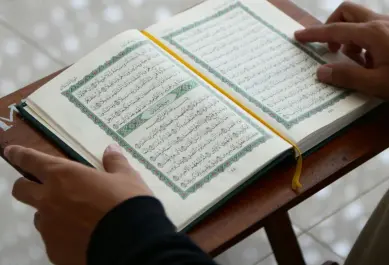
Throughout Ramadan, Muslims increase their acts of worship, recite the Qur’an (including Surah Al-Qadr for those seeking closeness to Allah), and reflect deeply on the mercy of Allah SWT. The final 10 nights, especially the 27th night of Ramadan, which is often associated with Laylat al-Qadr (the Night of Decree), are a period of special prayers and seeking forgiveness.

How Muslims Celebrate Eid al-Fitr

Eid is a time of unity, gratitude and celebration. After a month of restraint, Eid is a reminder of Allah SWT’s mercy and the joy that follows sincere worship.

Common Eid Traditions Include:

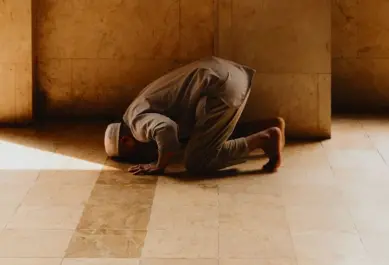
  • Performing the Eid prayer in congregation.
  • Giving Zakat al-Fitr before the prayer.
  • Wearing one’s best or new clothes.
  • Visiting loved ones and neighbours.
  • Sharing food, sweets, and cultural dishes.
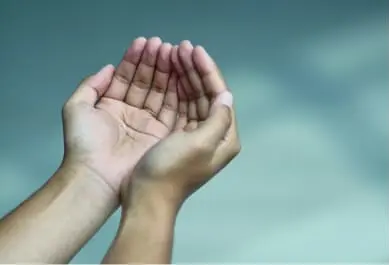
  • Making dua for the Ummah.
  • Continuing good deeds even after Ramadan.

The Prophet Muhammad ﷺ encouraged Muslims to treat Eid as a day of joy and mercy, a celebration of faith and community.

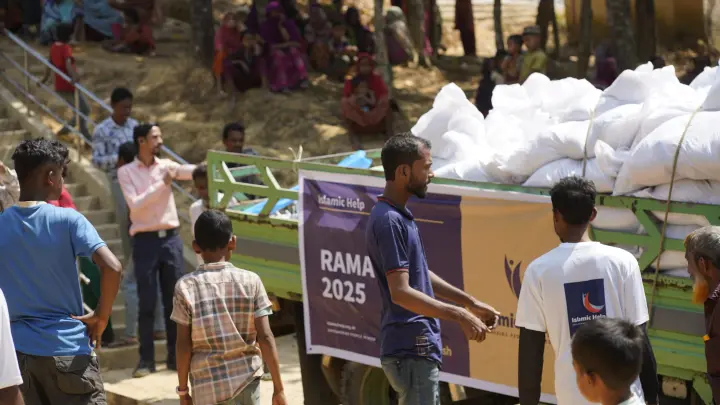
Make this Eid even more meaningful. Support Islamic Help’s projects and bring hope to families in need.

Why is Eid al-Fitr Important?

Eid al-Fitr is not just a festive occasion; it is the culmination of a month of worship, patience and striving for closeness to Allah.

During Ramadan, Muslims engage in:

  • Extra prayers.
  • Night worship during the ten nights of Ramadan.
  • Giving charity.
  • Seeking forgiveness.
  • Building better habits and character.

Eid becomes a joyful moment where the entire Ummah celebrates the blessings of Ramadan and steps into Shawwal with renewed hearts.

A Brief Note on Eid al-Adha 2026

While this blog focuses on Eid al-Fitr, the second major Islamic celebration, Eid al-Adha, will fall later in the year.

Astronomical predictions estimate:

  • Eid al-Adha 2026 will likely be on Wednesday, 27th May.

Preparing for Eid 2026

To make the most of Eid, here are a few ways to prepare spiritually and practically.

Before Eid:

  • Give Zakat al-Fitr on time.
  • Plan Eid prayer with your local mosque.
  • Reflect on the lessons of Ramadan.
  • Increase good deeds in the final nights.
  • Seek forgiveness and stay consistent with worship.

On Eid Day:

  • Perform ghusl before prayer.
  • Eat something before the Eid salah.
  • Recite the takbir.
  • Visit family and neighbours.
  • Spread kindness and gratitude.
  • Give charity to help others celebrate.

Eid is a reminder that acts of worship don’t end with Ramadan; they are carried forward into the year ahead.

What Time Will the Eid Prayer Be in 2026?

Eid prayers are held shortly after sunrise and must take place before mid-morning.

While timings vary by location, most mosques begin their Eid prayers between:

  • 7:00 am – 10:00 am in the UK.
  • Shortly after sunrise in Europe, the Middle East and Asia.
  • Early morning across North America and Australia.

Your local Islamic centre will provide exact timings closer to the day.

Conclusion

Eid al-Fitr 2026 is expected on Friday, 20 March 2026, marking the end of Ramadan, a month filled with worship, reflection, and mercy.

Whether you are preparing for the celebration, finalising your Zakat al-Fitr, or striving to make the most of the last ten days of Ramadan, Eid is a reminder of Allah’s blessings and the unity of the Ummah.

Share the joy of Eid by supporting Islamic Help’s humanitarian work today. Your generosity can change lives.

FAQs:

  • How to pray Eid salah?
    Eid prayer is two rakats with extra takbirs: After the opening takbir, say “Allahu Akbar” three to seven more times, then recite Surah Al-Fatiha and another surah. In the second rakat, repeat the takbirs before ruku. The sermon (khutbah) follows the prayer.
  • What is Eid Mubarak?
    “Eid Mubarak” is a greeting used by Muslims to wish each other a blessed and joyous Eid. It means “Blessed Eid” and expresses happiness and goodwill during the festival, uniting families and communities in celebration.
  • Is Eid salah fardh?
    Eid al-Fitr is not fardh (obligatory) but is strongly recommended as a Sunnah muakkadah (emphasised practice) by most scholars and wajib by others. It is a communal prayer performed in congregation, highlighting unity and thankfulness.
  • How long is Eid?
    Eid al-Fitr is celebrated for one day. Still, festivities and public holidays may last two to three days in some countries, allowing families and communities to gather, feast, and give charity.​
  • What charity is given on Eid?
    Zakat al-Fitr is given before the Eid prayer, enabling those in need to join the celebrations. It is a set amount of food or money given by every fasting Muslim, emphasising care for the less fortunate.
  • Why do Muslims perform Eid prayer in congregation?
    Eid prayer is performed in congregation to foster unity, gratitude, and community spirit. Gathering together for prayer strengthens social bonds and reminds Muslims of the values promoted during Ramadan.

updates that matter

Empower my Inbox

Laylatul Qadr 2026 – The Night of Power Guide

Laylatul Qadr 2026 – The Night of Power Guide
Latest News

Laylatul Qadr 2026 – The Night of Power Guide

Learn about Laylatul Qadr 2026, its significance in Islam, when it may occur, and how to maximise worship, forgiveness, and spiritual reward.

Laylatul Qadr 2026 marks one of the most sacred moments in the Islamic year. Known as the Night of Power, it is a night filled with mercy, forgiveness, and spiritual reward. It falls within the last ten nights of Ramadan, a period already rich in worship and reflection.

For Muslims, Laylatul Qadr is not just a date on the calendar. It is a chance to reconnect with faith, seek forgiveness, and renew intention. Worship performed on this night is described as better than a thousand months, making it one of the most powerful opportunities for spiritual growth. This guide explains what Laylatul Qadr is, why it matters, when it is likely to occur in 2026, and how to make the most of it through prayer, remembrance, and charity.

بِسْمِ ٱللَّهِ ٱلرَّحْمَٰنِ ٱلرَّحِيمِ

“The example of those who spend their wealth in the way of Allah is like a seed that sprouts into seven ears, each bearing one hundred grains.”

What Is Laylatul Qadr?

Laylatul Qadr is the night when the Qur’an was first revealed to the Prophet Muhammad ﷺ. The Qur’an describes this night as greater than a thousand months, meaning worship on this single night carries a reward beyond a lifetime of devotion.

It is often referred to as a blessed night. On this night, peace descends, mercy spreads, and sincere worship is accepted by Allah’s permission. The Qur’an explains that angels descend on Laylatul Qadr, filling the night with tranquillity until dawn.

Because of its importance, Laylatul Qadr holds a central place in the Islamic calendar and is a key focus of the final part of the month.

Why Laylatul Qadr Is So Important

The importance of Laylatul Qadr lies in both revelation and reward. This is the night when divine guidance was first sent to humanity. It is also a night when forgiveness and mercy are abundant.

The benefits of Laylatul Qadr include spiritual renewal, forgiveness of sins, and closeness to Allah. Worship on this night is not only about reward. It is about healing the heart, correcting behaviour, and strengthening faith.

Islam teaches that Allah loves to forgive. Laylatul Qadr offers a rare opportunity to seek forgiveness sincerely, making forgiveness on Laylatul Qadr one of the most hopeful aspects of the night.

image (1) (1)
Image Card (1) (1)
Image Style 03 _ 3_2 (Scroll cards) (1)
Hero Video 16_9 (1)
_DSC0467 (1)

When Is Laylatul Qadr in 2026?

The exact date of Laylatul Qadr is not known. Islamic teachings explain that it falls during the last ten nights of Ramadan, particularly on the odd nights of Ramadan.

In 2026, Muslims will focus their worship on the 21st, 23rd, 25th, 27th, and 29th nights. While many people associate Laylatul Qadr with the 27th night of Ramadan, Islam encourages believers not to limit worship to one night alone. Instead, Muslims are encouraged to engage in the last ten nights’ worship consistently, increasing their chances of benefiting from the Night of Power.

Signs Associated With Laylatul Qadr

Some traditions mention signs of Laylatul Qadr, such as a calm atmosphere or a peaceful feeling during the night. The emergence of dawn after Laylatul Qadr is sometimes described as gentle and soft.

However, these signs are not guaranteed. Islam teaches that the true value of Laylatul Qadr lies in worship, not identification. Believers are encouraged to focus on effort rather than certainty.

Worship on Laylatul Qadr

Worship on Laylatul Qadr can take many forms. Islam does not restrict worship to a single act. What matters most is sincerity and intention.

Common acts of worship include:

  • Voluntary night prayers
  • Recitation of the Qur’an
  • Quiet remembrance and reflection
  • Seeking forgiveness
  • Making heartfelt supplication

This form of night worship allows believers to slow down, disconnect from distractions, and reconnect spiritually.

Du’a for Laylatul Qadr

One of the most well-known supplications is the du’a for Laylatul Qadr, taught by Prophet Muhammad ﷺ:

“O Allah, You are Most Forgiving, and You love to forgive, so forgive me.”

This Laylatul Qadr du’a is short but powerful. It reflects humility, hope, and trust in Allah’s mercy. Many Muslims repeat it often throughout the last nights of Ramadan.

Charity on the Night of Power

Charity plays an important role during Laylatul Qadr. Charity on Laylatul Qadr is considered especially rewarding, just like prayer and fasting.

Many Muslims choose to focus on giving in the last ten nights, supporting those who are struggling. This includes food aid, emergency relief, and care for vulnerable families.

These Ramadan charity nights allow worship to extend beyond prayer into action. Supporting others is a key part of faith and reflects compassion and responsibility.

Acts such as providing food, supporting families, and other acts of charity help ensure that fasting families can break their fast with dignity.

In the UK, people often choose trusted organisations such as Islamic Help, a recognised Muslim charity in the UK, to deliver aid responsibly during this sacred time.

Laylatul Qadr and Forgiveness

One of the most hopeful aspects of Laylatul Qadr is forgiveness. Islam teaches that Allah’s mercy is vast and that sincere repentance can erase past mistakes.

Laylatul Qadr encourages believers to reflect on their lives, seek forgiveness, and commit to positive change. This opportunity for renewal strengthens faith and brings peace to the heart.

Making the Most of the Last Ten Nights

Laylatul Qadr should be seen as part of a wider effort during the final nights of Ramadan. Consistency is key.

Helpful ways to prepare include:

  • Reducing distractions
  • Planning time for prayer and reflection
  • Giving charity regularly
  • Reading and reflecting on the Qur’an

By maintaining steady worship across the last nights of Ramadan, believers increase their chances of experiencing the reward of Laylatul Qadr.

A Night of Connection and Hope

Laylatul Qadr is a night of connection. It connects believers to the Qur’an, to worship, and to one another. It is also a night of hope, reminding Muslims that forgiveness and mercy are always within reach.

Whether through prayer, charity, or quiet reflection, every sincere act matters on this night. Laylatul Qadr offers a chance to pause, reflect, and move forward with renewed faith.

FAQs:

  • What is Laylatul Qadr?
    Laylatul Qadr is the Night of Power, when the Qur’an was first revealed. It occurs during the last ten nights of Ramadan and is described as better than a thousand months. Worship on this night carries immense reward and is a time of mercy and forgiveness.
  • When does Laylatul Qadr occur?
    Laylatul Qadr does not have a fixed date. It is believed to fall on one of the odd nights in the last ten nights of Ramadan. Muslims are encouraged to worship throughout these nights to ensure they experience the Night of Power.
  • Why is Laylatul Qadr better than a thousand months?
    Laylatul Qadr is described as better than a thousand months because worship performed on this night carries an extraordinary reward. Acts of prayer, remembrance, and charity are multiplied, making it one of the most spiritually powerful nights in Islam.
  • What worship is recommended on Laylatul Qadr?
    Muslims are encouraged to pray, recite the Qur’an, make du’a, and seek forgiveness on Laylatul Qadr. Even simple acts of worship done sincerely are highly rewarded. The focus is on humility, intention, and devotion to Allah.
  • Can charity be given on Laylatul Qadr?
    Yes, charity is strongly encouraged on Laylatul Qadr. Giving on this night carries multiplied reward, similar to other acts of worship. Many Muslims give throughout the last ten nights to ensure their charity coincides with the Night of Power.
  • How does Islamic Help support people during the last ten nights?
    Islamic Help supports vulnerable communities during the last ten nights of Ramadan through food aid and essential assistance. These programmes help families observe Ramadan with dignity while allowing donors to give charity during one of the most spiritually significant periods.
  • Why give Laylatul Qadr charity through Islamic Help?
    Giving through Islamic Help allows donations to reach people in need through trusted and transparent programmes. This ensures charity is delivered responsibly, helping donors fulfil their intentions while supporting families during the blessed nights of Ramadan.
  • How does Islamic Help ensure donations are used responsibly?
    Islamic Help works with experienced field teams and local partners to distribute aid responsibly. Clear monitoring and accountability processes ensure donations reach eligible families and communities, allowing donors to give with confidence during Laylatul Qadr and beyond.

updates that matter

Empower my Inbox

Maximise Your Charity in Ramadan: Zakat, Sadaqah & Rewards

Maximise Your Charity in Ramadan: Zakat, Sadaqah & Rewards
Latest News

Maximise Your Charity in Ramadan: Zakat, Sadaqah & Rewards

Learn how to maximise your charity in Ramadan through Zakat and Sadaqah, understand the rewards of giving, and support those in need.

Ramadan is a sacred month in the Islamic calendar. It is the holy month of Ramadan when Muslims fast, pray, and try to grow closer to Allah. It is also a month when giving becomes a big part of worship.

For many people, Ramadan is a time to reset. Fasting helps you build self-control. Charity helps you look outward. When you give, you support others and strengthen your own faith.

This blog explains how to maximise your giving in Ramadan. It covers zakat in Ramadan and sadaqah in Ramadan. It also explains the rewards of giving, and how your support can help people who are struggling.

بِسْمِ ٱللَّهِ ٱلرَّحْمَٰنِ ٱلرَّحِيمِ

“The example of those who spend their wealth in the way of Allah is like a seed that sprouts into seven ears, each bearing one hundred grains.”

Why charity matters in Ramadan

Charity during Ramadan is not only about money. It is about the heart. It is about kindness, care, and responsibility. Ramadan is a time when Muslims try to increase good actions. A good deed can be small, like helping someone, or big, like feeding many people. Either way, it matters.

Charity also connects strongly with fasting. When you fast, you feel hunger. That feeling can help you understand the lives of people who do not have enough food even outside Ramadan.

Giving becomes part of worship because it is an act done for Allah. That is why acts of charity are so encouraged in this month.

Zakat in Ramadan: the obligation and the meaning

Zakat is one of the pillars of Islam. It is not optional for those who qualify.

Many Muslims choose to pay zakat in Ramadan. They want to meet their duty in a month full of worship. They also want the blessing of giving when communities have greater needs.

Zakat has a clear purpose:

  • It supports people who are eligible to receive it
  • It helps reduce hardship
  • It teaches fairness and shared responsibility

It also has a personal impact. Zakat is often described as the purification of wealth. It helps remove greed and reminds Muslims that wealth is a trust.

To fulfil zakat properly, you need to get the amount right. That is why zakat calculation matters. If you are unsure, it helps to use trusted guidance and tools.

058A1828
03313828-361d-4ef9-9c58-c60f8ac0aeb5
006A8135 copy3
0U4A8052
IMG_8017

Sadaqah in Ramadan: voluntary giving with a wide meaning

Sadaqah is a voluntary charity. It can be given at any time and in any amount. During Ramadan, many Muslims increase sadaqah because giving is part of worship and community care.

Sadaqah can include:

  • Money
  • Food
  • Clothing
  • Help for a neighbour
  • Support for a family in need

That is why people describe it as sadaqah voluntary charity. It is flexible and open to everyone.

Many ask about the difference between zakat and sadaqah. In simple terms:

  • Zakat is required for eligible Muslims and has specific rules
  • Sadaqah is optional and can be given in many forms

Both are important. Together, they help build a community that looks after people.

Rewards of charity in Ramadan

Many Muslims give more in Ramadan because they believe in increased reward. People often search for Ramadan rewards because they want to understand why giving feels so important in this month.

The rewards of charity in Ramadan are part of Islamic teaching. Giving in this sacred month supports others and also strengthens your faith.

The reward is not just “more points.” It is deeper than that. It is about:

  • Building gratitude
  • Becoming less attached to wealth
  • Learning humility
  • Growing spiritually

These are real outcomes, not just ideas. Over time, charity can change a person.

A charity that helps people break their fast

One of the clearest ways to give in Ramadan is to help people eat. Many families struggle to put food on the table. Some do not have enough for a proper meal at sunset.

This is why food aid in Ramadan is so important. It helps fasting people feel supported, not forgotten.

Popular ways to help include:

  • Providing iftar meals in Ramadan
  • Delivering food parcels in Ramadan
  • Supporting food parcels for families under pressure
  • Helping with daily staples so people can cook at home

When people search for “feed the fasting” or “help them break their fast,” they are often looking for this type of support.

Supporting fasting families is one of the most direct ways to turn faith into action. It is practical, kind, and easy to understand.

Ramadan giving in the UK: community support matters

Ramadan is also about community. People come together for prayer, food, and support. In the UK, many Muslims focus on local and global needs at the same time. That is where Ramadan giving in the UK become important idea. Charity helps communities stay strong and helps families cope during hard times.

Many donors in the UK give through trusted organisations. Supporting a reliable Muslim charity in the UK can help donations reach the right people.

Many people choose Islamic Help Ramadan because they want donations delivered with care and dignity. Islamic Help is also recognised as a Muslim charity, with UK donors supporting food aid and essential support for communities in need.

Choosing what to give: a simple approach

Maximising charity does not mean you must give huge amounts. It means giving well and giving consistently.

Here are simple ways to do that:

  • Pay zakat donation if you are eligible
  • Give sadaqah regularly, even in small amounts
  • Support iftar meals or food parcels
  • Give on key nights, including the night of power
  • Give quietly and sincerely

Many Muslims also choose to donate daily during Ramadan. Some give in the last ten nights, hoping to give during a blessed night that is better than a thousand months.

Giving with intention and care

Islam teaches that intention matters. Giving should be done sincerely and without showing off.

It also helps to give responsibly. If you are paying zakat, accuracy matters. If you are giving sadaqah, it helps to support programmes that are clear and trusted.

Many donors choose to:

  • Donate zakat in Ramadan through a charity they trust
  • Donate sadaqah in Ramadan through programmes that deliver food and support quickly

When giving is managed well, it honours the giver and protects the dignity of the receiver.

Remembering the Prophet’s example

Ramadan charity is also connected to the example of the Prophet. Many Muslims reflect on the teachings and behaviour of Prophet Muhammad (PBUH)

His example shows that generosity is not seasonal. Ramadan simply makes that generosity easier to practise and more central to daily life. Charity is a way to serve others, and it is also a way to grow closer to Allah in this sacred month.

Closing reflection

Ramadan is a time of worship, community, and care. When you give, you help people and you also shape your own heart. Whether you focus on zakat, sadaqah, iftar meals, or food parcels, each act matters. A small good deed done with sincerity can be heavy in reward.

If you want to maximise your charity in Ramadan, start with intention, then choose a practical action, and stay consistent through the days of Ramadan.

FAQs:

  • Why is charity especially important during Ramadan?
    Charity is especially important during Ramadan because rewards for good deeds are multiplied. Giving during this month strengthens empathy, supports vulnerable people, and complements fasting and prayer. It allows Muslims to turn reflection into action and fulfil social responsibility alongside personal worship.
  • What is the difference between zakat and sadaqah?
    Zakat is an obligatory charity with specific rules and eligible recipients, while sadaqah is voluntary and can be given at any time. Zakat is calculated based on wealth thresholds, whereas sadaqah has no fixed amount and includes financial help or acts of kindness.
  • Can zakat be given during Ramadan?
    Yes, zakat can be given during Ramadan, and many Muslims choose to do so. While zakat is not limited to Ramadan, giving during this month is encouraged because of the increased spiritual reward and the opportunity to support people during a time of heightened need.
  • How does charity support fasting families?
    Charity supports fasting families by providing food, Iftar meals, and essential supplies. This ensures families can break their fast with dignity and maintain health during Ramadan. Food aid reduces hardship and allows people to focus on worship without worrying about daily meals.
  • Is giving charity considered an act of worship?
    Yes, giving charity is considered an act of worship when done sincerely for the sake of Allah. It strengthens faith, purifies wealth, and reflects compassion. During Ramadan, charity becomes closely connected with fasting and prayer, reinforcing spiritual growth and responsibility.
  • How does Islamic Help deliver charity during Ramadan?
    Islamic Help delivers Ramadan charity through food aid, Iftar meals, and emergency support programmes. These initiatives are managed by experienced teams who identify vulnerable households and distribute assistance responsibly, ensuring donations reach people in need with dignity and care.
  • Why give zakat and sadaqah through Islamic Help?
    Giving zakat and sadaqah through Islamic Help ensures donations are delivered responsibly and in line with Islamic guidance. The organisation prioritises transparency, ethical distribution, and community impact, allowing donors to give with confidence during Ramadan.
  • How does Islamic Help ensure donations make an impact?
    Islamic Help ensures donations make an impact by working with local partners, monitoring distribution, and focusing on genuine need. Programmes are designed to provide immediate relief and long-term support, helping communities build resilience beyond Ramadan.

updates that matter

Empower my Inbox

Ramadan Fasting Explained: Rules, Tips, and Guidance

Ramadan Fasting Explained: Rules, Tips, and Guidance
Latest News

Ramadan Fasting Explained: Rules, Tips, and Guidance

Understand the fasting rules of Ramadan, what breaks the fast, and practical tips for observing the holy month confidently, clearly, and with spiritual focus.

Fasting during Ramadan is one of the most important acts of worship in Islam. Observed throughout the holy month of Ramadan, it shapes daily routines, strengthens spiritual discipline, and encourages self-reflection. For Muslims in the UK, understanding Ramadan fasting rules clearly is essential to observing the fast correctly and confidently.

Daily life often includes work, travel, family responsibilities, and health considerations. Without clear guidance, fasting can feel confusing or overwhelming. This blog explains how fasting during Ramadan works, outlines what breaks the fast, and offers practical tips to help fasting people observe Ramadan with clarity and peace of mind.

بِسْمِ ٱللَّهِ ٱلرَّحْمَٰنِ ٱلرَّحِيمِ

“The example of those who spend their wealth in the way of Allah is like a seed that sprouts into seven ears, each bearing one hundred grains.”

The Meaning and Purpose of Fasting in Ramadan

Ramadan fasting is one of the pillars of Islam and is observed during a specific month of the Islamic calendar. From dawn until sunset, Muslims abstain from food and drinks, smoking, and marital relations. However, fasting is not limited to physical restraint alone.

The purpose of fasting is to develop self-control, patience, and mindfulness of Allah. It encourages spiritual growth by helping individuals reflect on behaviour, speech, and intentions. Ramadan is a time to increase acts of worship, strengthen faith, and reconnect with the wider Muslim community. Fasting nurtures empathy for those who experience hunger regularly and inspires generosity, compassion, and acts of charity throughout the month.

When the Fast Begins and Ends

The Ramadan fast begins at Fajr prayer and ends at Maghrib prayer. These fasting hours in the UK change daily, making it important to follow accurate prayer times.

Before dawn, Muslims eat the pre-fast meal at suhoor time in the UK. This meal helps sustain energy throughout the day. At sunset, the fast is broken at iftar time in the UK, traditionally with dates and water before the evening meal.

Understanding when you can eat during Ramadan helps prevent accidental mistakes and allows fasting to be observed correctly from start to finish each day.

Copy of 192A0356
20180531_223621
0U4A8052
006A8135 copy3
1D5A5369

Who Is Required to Fast

Fasting during Ramadan is obligatory for adult Muslims who are physically able. However, Islam recognises that circumstances vary and provides clear exemptions from fasting to protect well-being.

Those exempt include:

  • People who are ill
  • Pregnant or breastfeeding women, if they fear harm will be caused to their child
  • Travellers
  • The elderly
  • Women during menstruation

Illness and fasting during Ramadan are carefully balanced in Islamic guidance. If fasting causes harm or delays recovery, a person is exempt. Islam prioritises health and does not impose hardship.

Actions That Invalidate the Fast

Certain actions invalidate the Ramadan fast when done intentionally during fasting hours. These include consuming foods and drinks, smoking, and sexual relations. Taking medicine while fasting also breaks the fast because it enters the body in the same way as food or drink.

Understanding what breaks the fast reduces uncertainty and anxiety. Accidental eating or drinking does not invalidate the fast, as intention is central to Islamic rulings.

This distinction helps fasting people feel reassured when genuine mistakes occur.

Personal Care and Hygiene While Fasting

Maintaining cleanliness during Ramadan is encouraged. Brushing teeth while fasting is allowed as long as nothing is swallowed intentionally. Many people choose to brush before dawn or use a miswak during the day to avoid doubt.

Good hygiene supports comfort and confidence while fasting and does not contradict the purpose of the fast when done carefully.

Health, Medication, and Medical Needs

Health considerations are an important part of Ramadan fasting. Oral medication taken during fasting hours breaks the fast. People who require regular medication may be exempt from fasting to protect their health.

Inhaler and fasting rulings vary, but many scholars consider inhaler use to break the fast because medication particles reach the stomach. Those who rely on inhalers are usually exempt and may make up fasts later or fulfil fasts through charity.

Vomiting while fasting does not break the fast if it occurs unintentionally. However, deliberately inducing vomiting invalidates the fast. Islam provides these rulings to ensure fasting remains safe and manageable.

Making Up Missed Fasts

When fasts are missed for valid reasons, making up missed fasts after Ramadan is encouraged. This allows individuals to fulfil their religious responsibility without hardship.

If fasting later is not possible due to long-term illness or age, charity can replace fasting. This balance reflects Islam’s compassion and emphasis on intention rather than difficulty.

Strengthening Worship During Ramadan

Ramadan worship extends beyond abstention. Increased Ramadan prayer, daily remembrance, and consistent Ramadan dua help deepen the spiritual experience of the month.

Many Muslims attend Taraweeh prayer and engage in nightly prayers during Laylatul Qadr, also known as the night of power. These acts of worship reinforce spiritual discipline and help believers focus on faith, reflection, and gratitude. Observing Ramadan is about drawing closer to Allah while improving character and behaviour.

Fasting, Charity, and Community Responsibility

Fasting and charity are closely connected. Experiencing hunger encourages empathy for those in need and inspires generosity.

Supporting Ramadan food aid, providing iftar meals, and helping families and friends facing hardship are common acts of charity during this month. These acts strengthen social bonds and reflect the values Ramadan teaches.

Many Muslims in the UK choose trusted organisations such as Islamic Help to deliver Ramadan food aid responsibly and support vulnerable households throughout the holy month.

Living Ramadan With Balance

Ramadan is meant to be transformative, not exhausting. With preparation, fasting can fit into daily life smoothly. Eating a balanced suhoor, staying hydrated between iftar and dawn, and avoiding excess help maintain energy.

By balancing physical care with worship, fasting becomes sustainable and spiritually rewarding. Ramadan offers an opportunity for renewal, discipline, and spiritual growth that extends beyond the month itself.

FAQs:

  • Does brushing teeth break your fast?
    Brushing your teeth does not break the fast as long as nothing is swallowed intentionally. Using toothpaste is allowed, but care should be taken to avoid ingestion. Many people prefer brushing before Fajr or using a miswak during fasting hours to minimise doubt.
  • Does taking medicine break the fast?
    Taking oral medication during fasting hours breaks the fast. Those who need regular medication may be exempt from fasting if it affects their health. Islam prioritises wellbeing, so missed fasts can be made up later or replaced with charity depending on circumstances.
  • Does vomiting break the fast?
    Vomiting unintentionally does not break the fast. However, inducing vomiting deliberately invalidates it. If vomiting occurs accidentally and nothing is swallowed afterwards, the fast remains valid. Intention is an important factor in determining whether a fast is broken.
  • Does using an inhaler break the fast?
    Many scholars consider using an inhaler to break the fast because medication particles reach the stomach. People who rely on inhalers for health reasons are usually exempt from fasting. They may make up fasts later or offer charity, depending on medical advice.
  • Can you fast if you are ill?
    If fasting worsens illness or delays recovery, a person is exempt from fasting. Islam does not require fasting when it causes harm. Missed fasts can be made up later when health improves, or charity may be given if fasting is not possible.
  • How does Islamic Help support fasting families during Ramadan?
    Islamic Help supports fasting families by delivering food aid, Iftar meals, and essential supplies during Ramadan. These programmes help ensure people observing the fast have access to nutritious food, reducing hardship and supporting dignity throughout the month.
  • Why trust Islamic Help with Ramadan food distribution?
    Islamic Help works with experienced field teams and local partners to distribute Ramadan food aid responsibly. Support is directed to eligible families based on need, ensuring assistance is delivered efficiently, ethically, and in line with Islamic principles of charity.
  • Can I support Ramadan fasting through Islamic Help?
    You can support Ramadan fasting through Islamic Help by contributing to food aid and Iftar programmes. Donations help provide meals and essential supplies to families in need, allowing them to observe Ramadan with dignity and focus on worship.

updates that matter

Empower my Inbox

Ramadan 2026 Guide: Fasting, Prayer, and Charity

Ramadan 2026 Guide: Fasting, Prayer, and Charity
Latest News

Ramadan 2026 Guide: Fasting, Prayer, and Charity

Explore Ramadan 2026, including fasting, prayer, and charity, with guidance on its meaning, daily practices, and how to prepare spiritually and practically.

Ramadan is the ninth month of the Islamic calendar and one of the most important periods in a Muslim’s year. For Muslims in the UK and around the world, Ramadan 2026 is a time of fasting, prayer, charity, and deep spiritual reflection. It is a month that shapes daily routines, strengthens faith, and brings communities together.

This guide is designed as a complete Ramadan reference. Whether you are observing the month for the first time or returning each year with renewed intention, this page explains what Ramadan is, why it matters, how fasting works, what breaks the fast, and how worship and giving fit together. It also highlights how Muslims in the UK can prepare practically and spiritually for the month ahead.

بِسْمِ ٱللَّهِ ٱلرَّحْمَٰنِ ٱلرَّحِيمِ

“The example of those who spend their wealth in the way of Allah is like a seed that sprouts into seven ears, each bearing one hundred grains.”

What Is Ramadan and Why Is It Important?

The month of Ramadan commemorates the time when the Qur’an was revealed to the Prophet Muhammad ﷺ. It is observed by Muslims through fasting from dawn to sunset, increased prayer, acts of charity, and personal reflection.

Fasting during Ramadan is one of the five pillars of Islam and is obligatory for adult Muslims who are physically able. However, Ramadan is not only about abstaining from food and drink. It is also about restraining harmful behaviour, strengthening character, and improving one’s relationship with Allah. 

Many Muslims view Ramadan as a spiritual reset. It encourages patience, gratitude, humility, and compassion. Through fasting and worship, believers are reminded of their dependence on Allah and their responsibility toward others.

When Does Ramadan 2026 Begin in the UK?

The start of Ramadan is determined by the sighting of the moon, which marks the beginning of the Islamic month. In the UK, Ramadan 2026 is expected to begin in mid-February, though the exact date will be confirmed by moon sighting announcements.

Each day of fasting begins at Fajr prayer and ends at Maghrib prayer. Because prayer times vary by location, Muslims are encouraged to follow a local timetable for accurate fasting hours.

  • Suhoor time in the UK refers to the pre-dawn meal eaten before Fajr.

Iftar time in the UK is the moment of sunset when the fast is broken.

Copy of 192A0356
1D5A5369
IMG_3340
_DSC0467 (1)
IMG-20161206-WA0002_1481019959377

How Long Do You Fast During Ramadan?

A common question is how long you fast during Ramadan. The fast lasts from dawn until sunset each day. In the UK, fasting hours vary depending on the season and location.

During Ramadan 2026, daylight hours are moderate, making fasting manageable but still demanding. While fasting, Muslims abstain from:

  • Eating and drinking
  • Smoking
  • Intimate relations

The fast is broken at sunset, traditionally with dates and water, followed by prayer and a meal.

What Breaks the Fast?

Understanding what breaks the fast is essential for observing Ramadan correctly. A fast is broken by intentionally eating or drinking during fasting hours. Smoking and taking oral medication also invalidate the fast.

There are important exemptions. Those who are ill, travelling, pregnant, breastfeeding, menstruating, or unable to fast for medical reasons are not required to fast. Depending on their situation, they may make up missed fasts later or give charity instead.

Knowing when you eat during Ramadan helps avoid confusion. Eating is permitted only between sunset and dawn. Actions like eating or drinking accidentally do not necessarily invalidate the fast, as intention plays a central role in Islamic rulings.

Prayer and Worship During Ramadan

Prayer becomes a central focus during Ramadan. Muslims continue the five daily prayers and often increase their worship throughout the month.

Ramadan prayer includes nightly prayers known as Taraweeh prayer, which are performed after Isha. These prayers allow Muslims to listen to and reflect on the Qur’an over the course of the month. 

Making Ramadan dua, reading the Qur’an, and seeking forgiveness are strongly encouraged. Ramadan is also a time when Muslims reflect on accountability, the day of resurrection, and their long-term spiritual goals.

Laylatul Qadr and the Last Ten Nights

The last ten nights of Ramadan hold special significance. Within these nights is Laylatul Qadr, also known as the Night of Decree.

Laylatul Qadr marks the night when the Qur’an was revealed. Worship on this night is believed to be better than a thousand months. Muslims intensify prayer, charity, and remembrance during these nights, hoping to experience a time when angels and the spirit descend by Allah’s command. Many people spend the final ten days of Ramadan focusing almost entirely on worship and reflection.

Charity and Giving in Ramadan

Charity in Ramadan is a key part of the month. Giving during Ramadan carries increased reward and reflects the values of compassion and responsibility taught in Islam.

Forms of giving include:

  • Sadaqah Ramadan
  • Zakat Ramadan (for those eligible)
  • Providing Iftar meals
  • Supporting Ramadan food aid
  • Distributing food parcels during Ramadan

Many Muslims in the UK choose to give through Muslim charity UK organisations such as Islamic Help Ramadan, which supports families through food aid, emergency relief, and community programmes. Giving during Ramadan helps ensure vulnerable people can observe the month with dignity and access to essential nourishment.

Preparing for Ramadan

Preparing to observe Ramadan helps make the most of the month. Practical preparation includes planning meals, adjusting work schedules, and ensuring prayer times are known.

Spiritual preparation is equally important. This may include setting intentions, increasing remembrance, and seeking forgiveness. Ramadan is often seen as a time when sins will be forgiven for those who fast sincerely and turn back to Allah.

Many people also use Ramadan to focus on spiritual growth, improve habits, and strengthen family and community bonds.

Ramadan and Community Life in the UK

In the UK, Ramadan is deeply communal. Mosques host nightly prayers, families gather for Iftar, and communities organise food drives and charity collections. These shared experiences strengthen social ties and reinforce the idea that Ramadan is not only a personal journey but a collective one. Acts of kindness, generosity, and patience are encouraged throughout the month.

FAQs:

  • When can you eat during Ramadan?
    You can eat during Ramadan only outside fasting hours, between sunset and dawn. The fast ends at Maghrib with Iftar and begins again at Fajr. Eating or drinking intentionally during daylight hours invalidates the fast and requires making it up later.
  • How long do you fast during Ramadan in the UK?
    In the UK, fasting lasts from dawn until sunset each day. The length depends on daylight hours at that time of year. During Ramadan 2026, fasting hours are moderate, making preparation and hydration important for maintaining energy throughout the month.
  • What breaks the fast in Ramadan?
    Eating, drinking, smoking, or taking oral medication during daylight hours breaks the fast. Intentional actions invalidate fasting, while unintentional mistakes may not. Certain exemptions apply for illness, menstruation, travel, or pregnancy, with alternatives such as making up fasts later.
  • What is Laylatul Qadr?
    Laylatul Qadr, the Night of Decree, is one of the last ten nights of Ramadan. It commemorates the revelation of the Qur’an and is believed to be better than a thousand months. Worship on this night carries immense reward and spiritual significance.
  • Why is charity important during Ramadan?
    Charity is central to Ramadan because generosity is highly rewarded during this month. Giving supports vulnerable people, purifies wealth, and strengthens compassion. Acts such as food aid, zakat, and sadaqah reflect the values of mercy and responsibility taught in Islam.
  • How does Islamic Help support people during Ramadan?
    Islamic Help delivers Ramadan programmes focused on food aid, emergency relief, and community support. This includes providing Iftar meals and food parcels to families facing hardship, helping them observe Ramadan with dignity and providing access to essential nourishment.
  • How does Islamic Help deliver Ramadan food aid responsibly?
    Islamic Help delivers Ramadan food aid through experienced field teams and trusted local partners. Support is directed to eligible families based on need, ensuring food reaches people efficiently and respectfully. Programmes are planned to provide timely assistance throughout Ramadan while maintaining dignity and accountability.
  • Why give Ramadan charity through Islamic Help?
    Giving Ramadan charity through Islamic Help allows donations to reach vulnerable communities through trusted, transparent programmes. Support helps fund food distribution, emergency relief, and community aid during Ramadan, ensuring charity is delivered responsibly and in line with Islamic principles when rewards are multiplied.

updates that matter

Empower my Inbox

Join Mission Possible

Interested in volunteering? Tell us a little about yourself and our team will be in touch with next steps.

    Still want to join?

    This mission is currently full. Add your email address and we'll let you know if a place becomes available.

      Updates that matter

      Join our mailing list for events, urgent appeals, and project updates from the communities you help empower.

        We use cookies to make your visit even better

        They help us understand how our website is used so we can improve your experience and share the stories and projects you care about most. All data is anonymous, and your privacy matters to us.