Sadaqah Jariyah in the Qur’an and Hadith

Sadaqah Jariyah in the Qur’an and Hadith
Latest News

Sadaqah Jariyah in the Qur’an and Hadith

Explore Sadaqah Jariyah through Qur’an and Hadith, understanding its spiritual significance, lasting rewards, and how ongoing charity benefits both donors and communities.

Introduction: The Divine Emphasis on Lasting Charity

To fully appreciate Sadaqah Jariyah, it’s helpful to trace its roots in the primary Islamic sources: the Qur’an (the word of Allah) and the Hadith (teachings of the Prophet Muhammad (PBUH)). While the term “Sadaqah Jariyah” (continuous charity) is derived from Hadith literature and early Islamic scholarship, the concept of ongoing charity is deeply embedded in Islamic teachings. In this article, we’ll explore some key Qur’anic verses and hadiths that shed light on the virtue of charitable deeds whose benefits outlive the donor. These references not only underscore the merit of Sadaqah Jariyah but also inspire us to find ways to make our charities long-lasting.

بِسْمِ ٱللَّهِ ٱلرَّحْمَٰنِ ٱلرَّحِيمِ

“The example of those who spend their wealth in the way of Allah is like a seed that sprouts into seven ears, each bearing one hundred grains.”

Sadaqah Jariyah in the Qur’an

The Qur’an encourages generosity and often alludes to the multiplied rewards of those who give for the sake of Allah. While it doesn’t use the term “Sadaqah Jariyah” explicitly, several verses lay the foundation for the idea of continuous rewards for charity:

Surah Al-Baqarah 2:261: “The example of those who spend their wealth in the way of Allah is like a seed [of grain] which grows seven spikes; in each spike is a hundred grains. And Allah multiplies [His reward] for whom He wills.”

 This verse beautifully illustrates exponential growth from a single act of charity. One seed yields 700 grains, a 700x return! While all charity can be rewarded manifold, scholars often interpret this verse as referring to ongoing impact: a small charitable deed can yield abundant benefits and rewards. Sadaqah Jariyah is a practical way we see this manifested: you invest in one project (one seed), and it yields benefit repeatedly (many grains). This Quranic promise should motivate us to seek charities that have a far-reaching impact.

Surah Al-Baqarah 2:274: “Those who spend their wealth [in Allah’s cause] by night and by day, secretly and publicly, they will have their reward with their Lord. No fear will there be concerning them, nor will they grieve.” This verse praises consistent charity under all circumstances. While not limited to Sadaqah Jariyah, one can reflect that giving “by night and by day” implies regular, perhaps even ongoing, charity. The reward is assured by Allah, providing comfort that charitable folks need not fear or grieve. It aligns with the idea that if you set up a form of charity that continues day and night (like a waqf or endowment), you fall under this glad tidings.

Surah An-Nisa 4:79: (paraphrased) teaches that whatever good reaches us is from Allah. One interpretation is that if you initiate a good deed that continues, any subsequent good that flows from it is also from Allah’s grace and recorded for you. While not a direct mention, it resonates with the hadith concept that one who starts a good practice gets a reward every time it’s acted upon by others (we’ll see a hadith on this later).

Surah Yasin 36:12: “Indeed, We record that which they have put forward and their traces [i.e., what they leave behind].” This verse is often cited to show that what we leave behind (our legacy, including ongoing charities and knowledge) is recorded by Allah. The word “ آثارهم (atharahum)” means “traces” or “effects” people leave after them. Continuous charity is precisely such a positive trace that remains after one’s life, and Allah promises it’s not lost or ignored – it’s written in our favour.

Additionally, the Quran frequently encourages helping others, feeding the poor, assisting orphans, etc., and although each instance may refer to immediate charity, Muslims extrapolate that doing so in a way that has lasting results is even more encouraged.

Qur’an and Charity Summary:

The Qur’anic ethos is straightforward – give freely, and Allah will multiply the reward tremendously and perhaps invisibly (like seeds growing underground). While not spelling out “build a well for ongoing reward,” the verses above and others provide the spiritual incentive that fuels Sadaqah Jariyah efforts.

Image Style 03 _ 3_2 (Scroll cards)-2 (1)
image (1) (1)
Placeholder (1)
Image (2)

Sadaqah Jariyah in Hadith

The Hadith literature is where the term Sadaqah Jariyah is directly mentioned and explained. There are several hadiths that either explicitly talk about continuous charity or imply ongoing reward for certain deeds:

The Famous “Three Deeds” Hadith: “When a man dies, his deeds come to an end except for three: Sadaqah Jariyah (a continuous charity), knowledge which is beneficial, or a virtuous descendant who prays for him.” (Sahih Muslim). This hadith is the cornerstone for understanding Sadaqah Jariyah. It clearly lists sadaqah jariyah as one of the three things that keep a believer earning rewards after death. It also hints at examples: beneficial knowledge and a righteous child’s prayers can themselves be forms of ongoing benefit (knowledge might be spread via teaching or books; a child’s piety is often a result of the parent’s upbringing – an ongoing influence). For our topic, it straightforwardly establishes that continuous charity is not just a nice-to-do but truly impactful for one’s hereafter.

Hadith on Actions that Continue to Benefit:

There is a report from Abu Hurairah (ra) that Prophet Muhammad (PBUH) said: “Among the good deeds that will reach a believer after his death are: knowledge he taught and spread; a righteous child he leaves behind; a copy of the Quran he left as inheritance; a mosque he built; a house he built for travelers; a canal he dug; or charity he gave from his wealth in his health and life – it will reach him after death.” (Reported in Ibn Majah and others). This narration expands on the concept with concrete examples closely aligned with Sadaqah Jariyah, such as building mosques, houses for wayfarers, digging canals (water projects), leaving Qur’ans, etc. It’s essentially describing a variety of Sadaqah Jariyah deeds.

Hadith on Starting a Good Sunnah:

 “Whoever starts a good practice (sunnah hasanah) in Islam will get its reward and the reward of all those who practice it until the Day of Judgment, without diminishing their reward in the slightest…” (Sahih Muslim). Although this isn’t specifically about charity, it does imply ongoing rewards for initiating something beneficial that others continue. For instance, if you start a charitable initiative that others carry on after you, you share in all their rewards. Many scholars cite this when encouraging endowments or community initiatives, by starting a charity project, you’re in effect creating a chain of good that might continue after you, crediting you each time someone benefits or contributes.

Charity doesn’t Decrease Wealth:

This famous hadith states, “Charity does not decrease wealth.” (Sahih Muslim). While this addresses the donor’s attitude (don’t fear giving, your wealth will be blessed), it also rings true for Sadaqah Jariyah in a spiritual sense: you might think giving away a considerable amount to build a well means you “lost” that money, but in reality, it’s like you deposited it in an akhirah investment account that only grows. You haven’t decreased your wealth; you’ve transferred it to a form that yields eternal profit.

Treat Your Sick with Charity:

 “Treat your sick by giving Sadaqah.” (Authentically attributed to the Prophet (PBUH) in various collections). This implies that charity has an ongoing effect, such as warding off calamities or easing illness. It’s often interpreted broadly, but some understand that continuous charity on someone’s behalf can continuously bring about well-being, by Allah’s permission.

Rewards for Planting Trees:

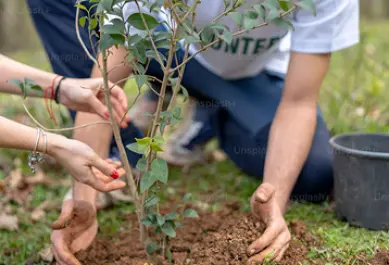
The Prophet (PBUH) said: “If a Muslim plants a tree or sows seeds, and then a bird, or a person, or an animal eats from it, it is regarded as a charity (sadaqah) for him.” (Sahih Bukhari, Sahih Muslim). This hadith, though it does not use the word “jariyah,” exemplifies the spirit of ongoing charity. A one-time act of planting results in repeated acts of charity as creatures benefit repeatedly. It closely parallels the ideas of Sadaqah Jariyah, encouraging environmental charity with lasting impact.

Insights from Scholars on Sadaqah Jariyah

Early Islamic scholars, such as Imam An-Nawawi, commented on these hadiths, clarifying that Sadaqah Jariyah essentially refers to waqf (permanent endowment). For example, if someone endows a property for charity, the property itself isn’t consumed; it continues to generate benefits or revenue that are used for good. This is the mechanism by which many Sadaqah Jariyah projects were historically carried out (wells, schools, etc., were often set up as waqf).

Scholars also note that even small ongoing charities count. For instance, Al-Nawawi mentioned that if one can’t afford a waqf, even lending something in good condition that many people use can count (like a public copy of the Quran). It’s the concept of continuity that defines it.

They also caution, however, that not every charity we give automatically becomes “jariyah.” For example, feeding people at a one-time event is huge in reward, but once the food is gone, it’s over, which is fine (it’s normal Sadaqah). Sadaqah Jariyah specifically refers to charity that inherently has a lasting benefit. This distinction helps us plan our charitable portfolios more effectively, ensuring we include some long-term strategies.

Conclusion: A Holistic Understanding

By looking at the Qur’an and Hadith together, we see that Islam not only encourages charity in general but also provides a blueprint for long-term thinking. The Quran instils the mindset of expecting multiplied outcomes from what we give, and the Hadith provides tangible examples and assurance that these outcomes (such as knowledge spreading, wells flowing, etc.) will continue to count for us beyond our lifetimes.

For a Muslim wanting to practice this, the scriptural basis serves as both encouragement and guidance. For instance: – When you invest in a Sadaqah Jariyah project, recall Quran 2:261 and have faith that Allah will amplify its impact. – When you wonder if the effort of building something lasting is worth it, recall the hadith that nothing will help you after death except things like this. – If you worry about spending a big amount on a long-term project, recall “charity doesn’t decrease wealth” and give with trust in Allah.

Sadaqah Jariyah is thus not a modern idea or a charity campaign buzzword; it’s rooted in the earliest Islamic teachings. It encapsulates the Islamic vision of charity that is not only reactive but also proactive and foresighted. By aligning our giving with these teachings, we follow a path trod by the Prophet (PBUH) and his companions, one in which our charity becomes a sadaqah that keeps on giving, by divine promise.

FAQs:

  • Q: Where does the term “Sadaqah Jariyah” come from?
    A: It’s an Arabic term; “Sadaqah” means charity, and “Jariyah” means flowing or ongoing. The phrase is directly taken from a hadith. The Prophet (PBUH) used the term when he said “Sadaqah Jariyah” as one of the deeds that continue after death. Early scholars like Imam Nawawi explained that it essentially means an endowment or anything whose benefit continues to flow. So, it’s a term from Islamic tradition rooted in Prophetic sayings.
  • Q: Are there specific Quran verses about Sadaqah Jariyah by name?
    A: The Qur’an doesn’t use the exact term “Sadaqah Jariyah,” but it repeatedly encourages charity and speaks of multiplied rewards and of leaving behind lasting legacies. Verses like 2:261 (charity multiplying like seeds) and 36:12 (recording what we leave behind) strongly underpin the concept. The term itself was clarified in the Hadith. So the idea is very much in the Quran, even if the phrasing is from Hadith.
  • Q: How do we know a hadith about Sadaqah Jariyah is authentic?
    A: The hadith about the three deeds (ongoing charity, knowledge, and a child’s prayers) is recorded in Sahih Muslim, one of the most authentic collections. Scholars widely accept it. The extended versions on the benefits a believer receives after death (in Ibn Majah, etc.) are also considered reliable (graded Hasan by scholars like Al-Albani). When we cite hadith, we stick to those verified by muhaditheen (Hadith scholars). Additionally, the concept has been widely acted upon by the earliest generations, indicating its strong basis in Islam.

updates that matter

Empower my Inbox

Examples of Sadaqah Jariyah Projects: Wells, Schools, Mosques and More

Examples of Sadaqah Jariyah Projects: Wells, Schools, Mosques and More
Latest News

Examples of Sadaqah Jariyah Projects: Wells, Schools, Mosques and More

Discover impactful Sadaqah Jariyah projects, from wells and mosques to schools and more, showing how continuous charity creates lasting benefits and rewards across generations.

Introduction: Turning Charity into a Lasting Legacy

One of the beautiful aspects of Sadaqah Jariyah (continuous charity) is the variety of ways you can fulfil it. Any project that provides an enduring benefit qualifies. If you’re looking for ideas or inspiration, here are seven impactful examples of Sadaqah Jariyah projects that Muslims around the world undertake. These examples range from traditional initiatives such as wells and mosques to modern, creative applications. Each illustrates how a single act of charity can ripple through time, benefiting countless lives and granting continuous rewards, insha’Allah.

بِسْمِ ٱللَّهِ ٱلرَّحْمَٰنِ ٱلرَّحِيمِ

“The example of those who spend their wealth in the way of Allah is like a seed that sprouts into seven ears, each bearing one hundred grains.”

1. Building a Water Well or Pump

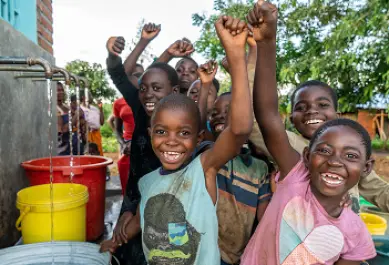
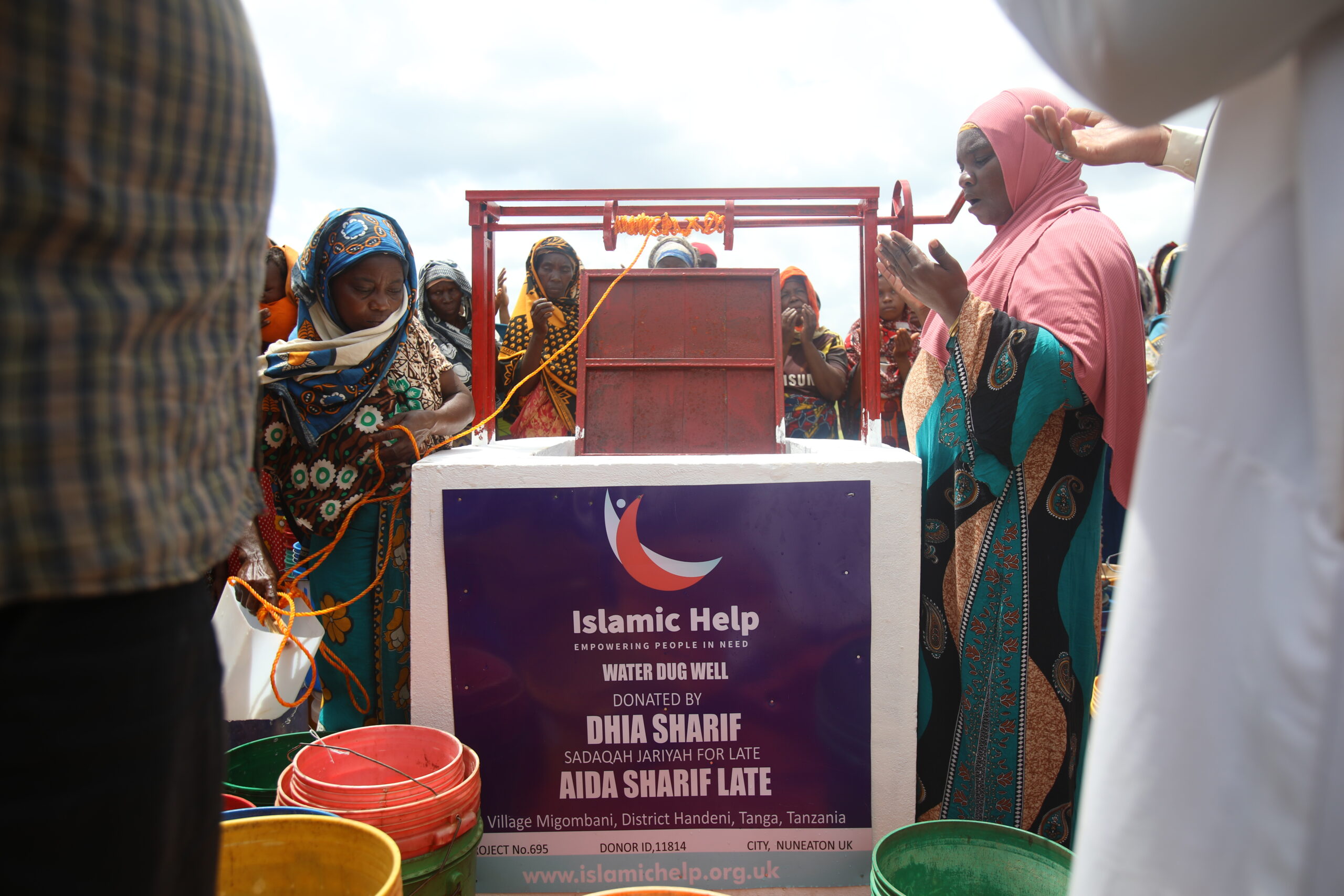
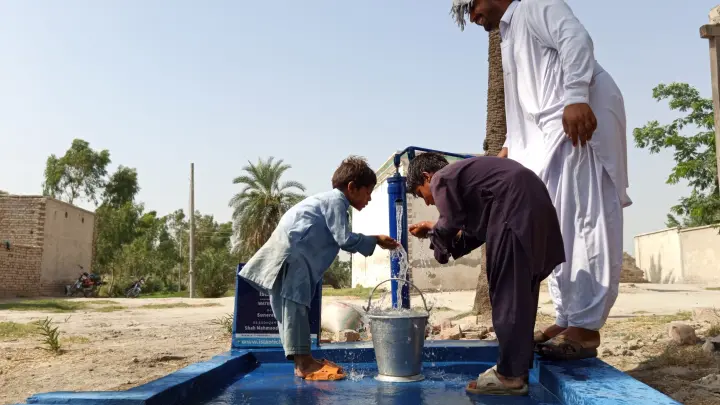
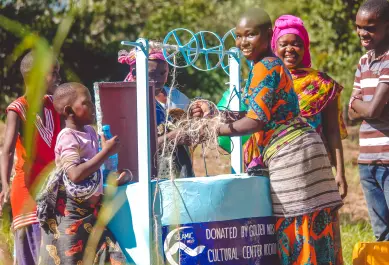
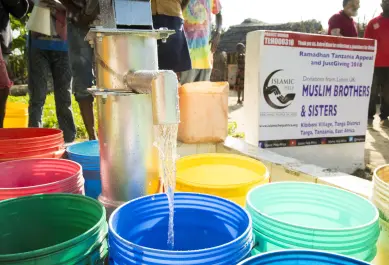
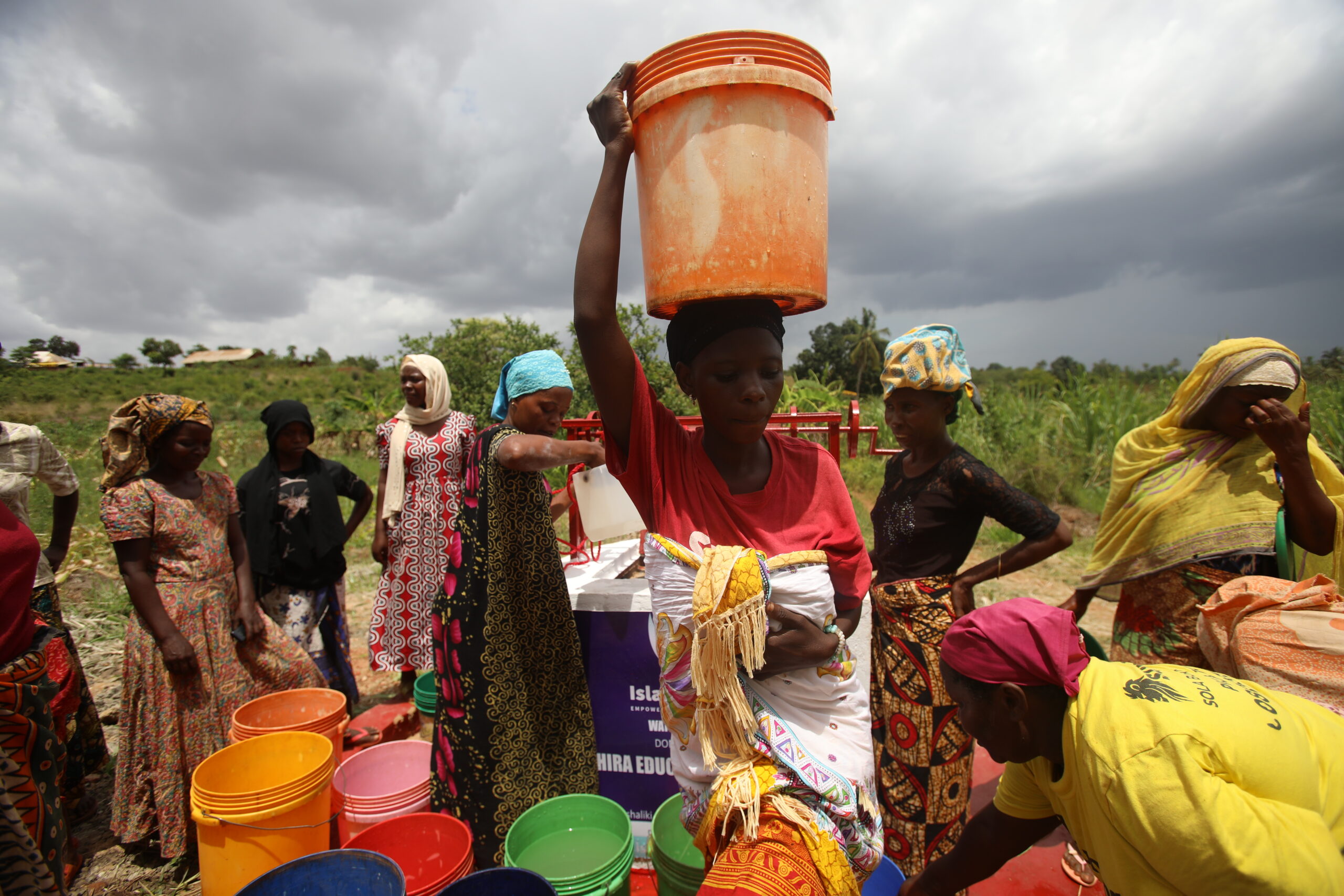
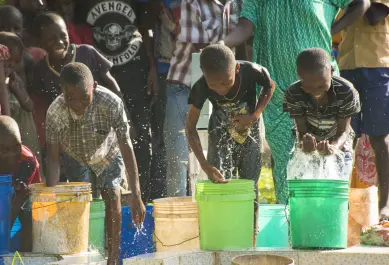
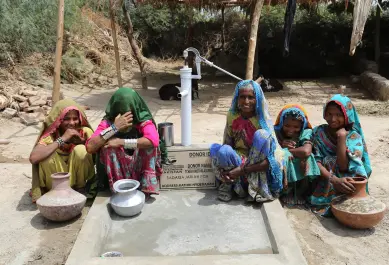
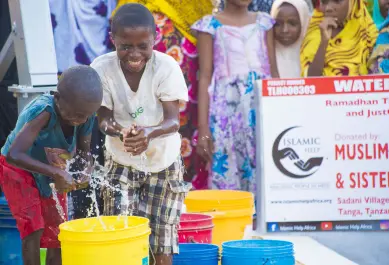
Providing clean water is among the most popular Sadaqah Jariyah projects, and for good reason. Water is life; by digging a water well or installing a hand pump, you ensure that families, even entire villages, have safe water for drinking, cooking, and hygiene. This one project can prevent water-borne illnesses, improve community health, and free children (especially girls) from the daily chore of fetching water over long distances. The impact is multi-generational: a well might serve a community for 10, 20, or more years. Islamic history and current charity efforts are replete with examples of wells built as acts of ongoing charity. Every drop of water drawn is a blessing for the donor. If you can’t fund a whole well, contributing to one or funding a water pump is also a great option. Many charities, including Islamic Help’s water projects, allow donors to sponsor wells, boreholes, or smaller water installations. It’s hard to think of a more literal “flowing” charity than a water project that keeps flowing with benefits!

2. Establishing or Supporting a School

“Education is the passport to the future,” and by investing in a school, you provide knowledge that continues to yield benefits. Building a school in an underprivileged area, expanding an existing school, or even donating supplies and paying teacher salaries can all be Sadaqah Jariyah. Each cohort of students who pass through and learn to read, write, and improve their lives adds to the ongoing reward. For example, sponsoring a classroom or library in a school means that for years to come, children will use those facilities. An educated individual may go on to help their family, contribute positively to society, and even teach others, setting off a domino effect of benefits initiated by the charity. If building a school isn’t feasible on your own, you could contribute to educational trusts or scholarship funds that continue to benefit new students each year. Knowledge is a Sadaqah Jariyah that the Prophet (PBUH) highly encouraged; teaching beneficial knowledge is mentioned right alongside ongoing charity in the

hadith about deeds that outlast us.

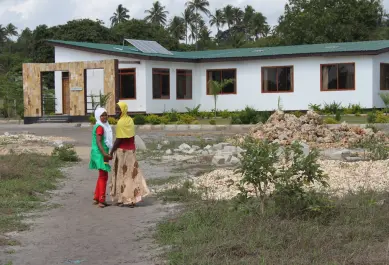
Eco Mosque Tanzania (12)
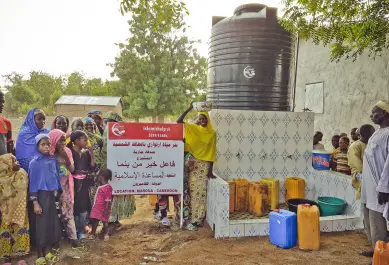
MP 2019 Eco Village 9
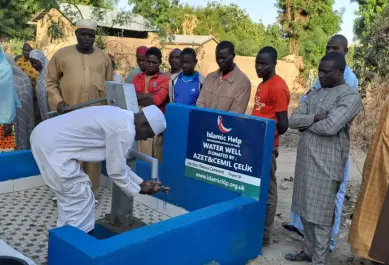
lslamic Help (2 of 2)
photo_2023-02-02_16-00-04
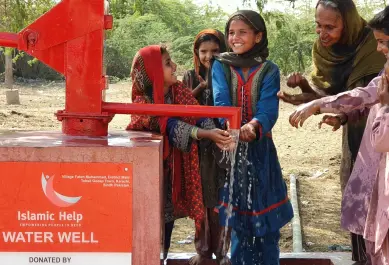
Well 1a

3. Building or Donating to a Mosque

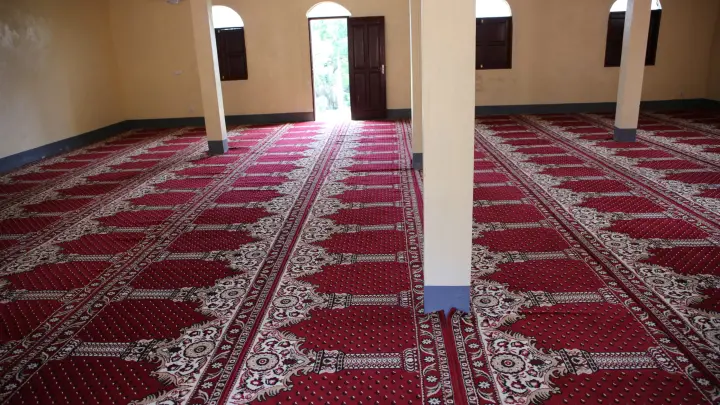
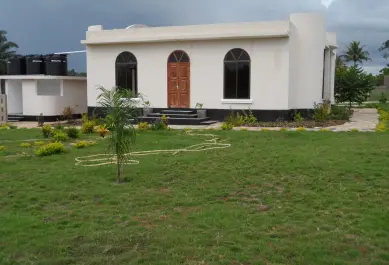
A mosque (Masjid) is at the heart of Muslim community life. Building a mosque is a classic form of Sadaqah Jariyah. Every prayer offered, every Quran recited, every moment of worship or learning that happens in that mosque becomes a source of reward for whoever contributed to its establishment. The Prophet (PBUH)  said, “Whoever builds a mosque for Allah, Allah will build for him a house in Paradise.” Even if you can’t fund an entire mosque, you can donate to its construction or upkeep (some people donate things like carpets, prayer mats, copies of the Qur’an, etc., all of which count as ongoing charity as they’ll be used over and over). In addition to mosques, building other religious or community structures, like an Islamic centre, community hall, or madrasa, also qualifies.

For example, one of the companions, Uthman (ra), famously bought and expanded a well and also helped develop the Prophet’s mosque in Madinah, both acts for which he sought ongoing reward. Today, many donors choose to build a small mosque in a village without one, thereby gifting the community a place of worship for generations.

4. Planting Fruit Trees or Developing Agriculture

Planting trees is a Sunnah (tradition) that benefits the environment and communities. Fruit trees in particular are a wonderful Sadaqah Jariyah: they provide food year after year, shade, and improve air quality. Imagine an orchard of fruit trees you helped plant – for decades, people (and even animals) could eat those fruits. Each time someone plucks an apple, mango, or olive, you gain a reward. Even after you depart this world, the trees you planted can continue to nourish others. Similarly, supporting farmers with seeds, tools, or training can be an ongoing form of charity if it leads to sustained harvests. One innovative approach is to establish a community garden or farm, with proceeds supporting charity or sustaining the community in the long term. As long as the garden continues to yield produce, the donors share in the barakah (blessing). The Prophet (PBUH) also mentioned that if any person or creature benefits from a plant or tree you sow, it counts as charity for you, an encouraging thought for those who love nature-based projects.

5. Sponsoring an Orphan or Child Long-Term

While giving money to an orphan’s immediate needs is regular Sadaqah, sponsoring an orphan over many years can be considered Sadaqah Jariyah because it’s an investment in that child’s future. By covering their education, healthcare, and living expenses consistently, you’re enabling that child to become a healthy, educated adult who can break the cycle of poverty. The reward is ongoing as the child grows. Many sponsorship programs provide updates as the orphan progresses in school, etc., so you tangibly see the long-term impact. Once that child becomes self-reliant and perhaps even helps others, the chain of benefit continues. (Note: Some scholars might classify orphan sponsorship as recurring Sadaqah rather than Jariyah since the money is spent continuously, but the effect of lifting an orphan into a better life has lifelong  repercussions, which is why we include it as an “ongoing” impact charity.) Prophet Muhammad (PBUH) highly praised care for orphans, saying the one who cares for an orphan will be with him in Paradise like two adjacent fingers, a strong incentive indeed.

6. Providing Medical Care Facilities or Equipment

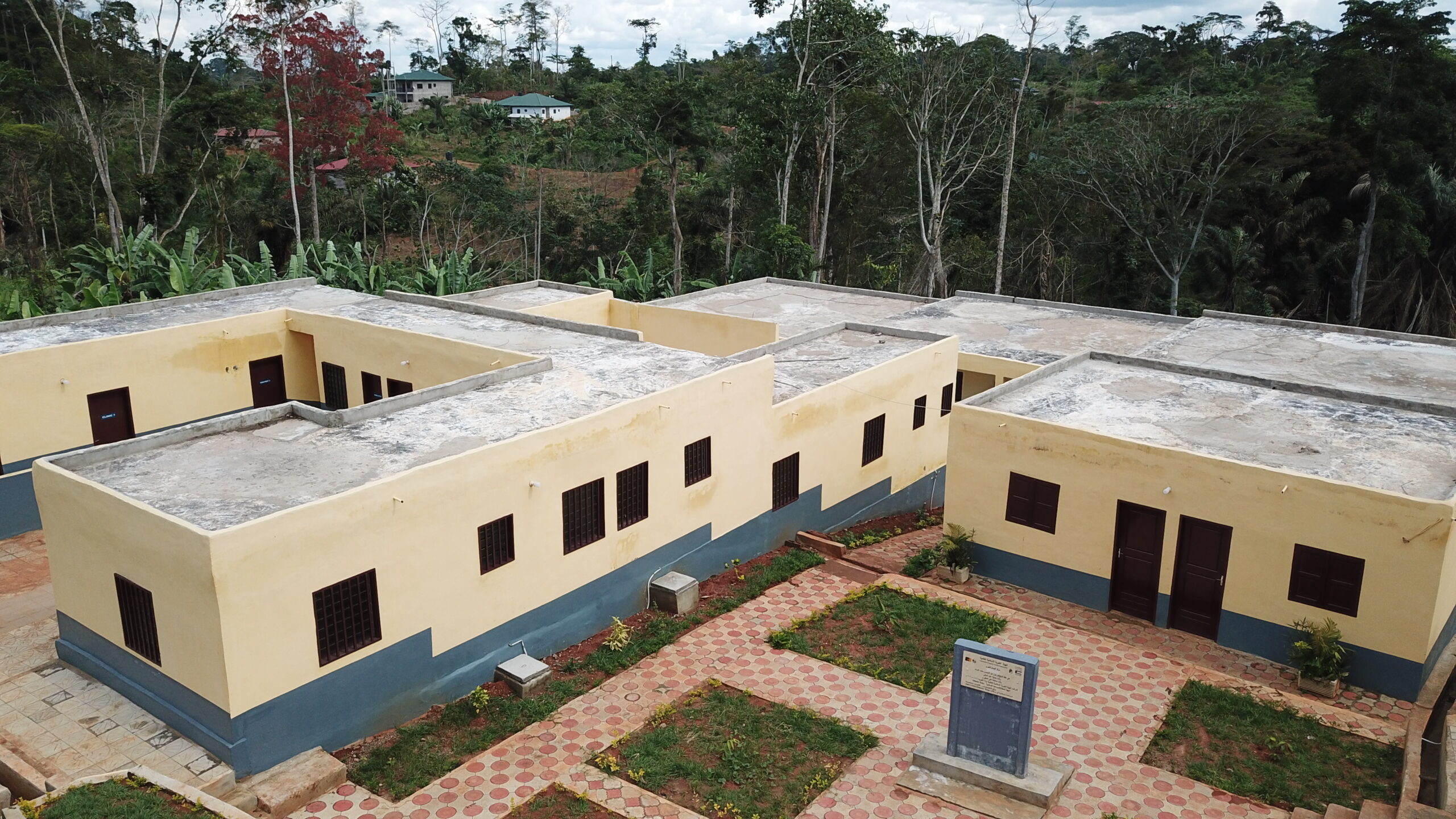
Health-focused projects save lives year after year. Donating something like a clinic or hospital wing, a dialysis machine, an ambulance, or even a stock of medical equipment can be Sadaqah Jariyah. For example, if you fund a clinic in a rural area, it might treat hundreds of patients each month. Each treatment, each life saved, each illness cured can count as an ongoing reward. On a smaller scale, donating wheelchairs, medical beds, or even eyeglasses that many patients can reuse is continuous charity as long as people keep using them. Some people donate to build or maintain shelters for the elderly or disabled – as these facilities continue operating, they continually benefit residents. In a real-world case, there are charitable hospitals in some countries that were established decades ago with donor funds and continue to provide free or low-cost care today, a living Sadaqah Jariyah. Consider the health needs in society that have a lasting impact, such as clean water and sanitation (to prevent disease), maternal health clinics (for safe childbirth), or mobile clinics that regularly serve remote areas. All these can be framed as ongoing charity projects.

7. Spreading Knowledge – Books, Media, and Online Resources

In the digital age, sharing beneficial knowledge widely is easier than ever, and it can be a tremendous Sadaqah Jariyah. Examples include printing and distributing Qur’ans or Islamic books (every time someone reads and benefits, you gain a reward), funding translations of critical texts, or supporting Da’wah materials that introduce Islam to others. Moreover, creating a free educational website, Islamic lecture videos, or a smartphone app (like one for learning the Quran or daily duas) can count as continuous charity. As long as people continue to use those resources to gain guidance or improve their lives, it’s an ongoing charity for the creator and supporters. Even something like setting up a YouTube channel with beneficial content or an online course that remains accessible can fit this category. A historical example: many classical Islamic scholars wrote books centuries ago, and to this day, students of knowledge read those books; the authors earn ongoing reward. You might not author a famous book, but you can

finance a knowledge project. For instance, donating computers to a community centre for children’s education will have lasting effects as they are used daily to teach. The possibilities are endless; it could even be as simple as recording yourself teaching a skill and uploading it for free, so others can learn for years to come.

Conclusion: Choose Your Legacy Project

These seven examples are just a starting point. The beauty of Sadaqah Jariyah is that you can be creative and passionate about the cause you choose. Whether it’s water, education, religion, environment, healthcare, children, or knowledge, find something that resonates with you and think of how to turn it into a long-term charity.


It’s also perfectly fine (and often wise) to work with established charities (like Islamic Help) to implement these projects, as they have experience and local infrastructure. You could, for example, fund a specific well through a trusted charity or contribute to a mosque construction fund. What matters is the niyyah (intention) and ensuring the project is sustainable.

By engaging in any of these Sadaqah Jariyah projects, you’re setting up a Sadaqah Jariyah account for the hereafter. Every drop of water, every child taught, every prayer offered, every fruit harvested, every patient healed, every orphan cared for, and every bit of knowledge spread can become a source of ongoing blessings for you.

May Allah accept our efforts and guide us to opportunities to continuously benefit others. If you’re ready to start, check out Islamic Help’s Sadaqah Jariyah page for current projects and guidance on making your charity count for years to come.

FAQs:

  • Q: Can I participate in Sadaqah Jariyah projects even if I cannot afford a whole project myself?
    A: Absolutely. You can contribute to any project in part. Most charitable organisations pool donations for large Sadaqah Jariyah initiatives. For example, you could give £100 toward a community well that costs £1,000 – your share of the reward will be proportionate, and you’ll still, insha’Allah, get ongoing reward for every benefit thatthe well provides.
  • Q: How do I ensure a project truly becomes Sadaqah Jariyah and stays sustainable?
    A: Good question. The key is planning and maintenance. If you’re doing a project independently, consider its upkeep (e.g., who will maintain a well or a school after it’s built?). Often, partnering with local communities or a reliable charity ensures the project remains functional. If donating through an organisation, check that they have maintenance plans in place. For example, Islamic Help provides feedback reports; you might receive updates confirming that the well you funded is operational and well-maintained. Choosing projects with built-in sustainability (like training locals to maintain the infrastructure) will ensure your Sadaqah Jariyah truly endures.
  • Q: Are there modern or lesser-known forms of Sadaqah Jariyah I can consider?
    A: Yes, beyond the common examples listed, there are modern twists: setting up a scholarship fund in a needed field, funding research that could cure diseases (imagine the continuous benefit of a medical breakthrough), supporting solar energy projects in poor villages (providing power for years), or building a website/app that helps people (like a free mental health counseling chat). Even contributing to infrastructure such as roads, bridges, or public toilets in impoverished areas can be an ongoing act of charity, as they serve people daily. The concept of Sadaqah Jariyah is broad; any project of lasting benefit counts, so feel free to think outside the box.

updates that matter

Empower my Inbox

The Difference Between Sadaqah and Sadaqah Jariyah

The Difference Between Sadaqah and Sadaqah Jariyah
Latest News

The Difference Between Sadaqah and Sadaqah Jariyah

Learn the difference between Sadaqah and Sadaqah Jariyah, understanding how each form of charity works and the impact they create over time.

Understanding Two Kinds of Charity

Islam encourages giving charity in many forms. You may have heard the terms “Sadaqah” and “Sadaqah Jariyah” are used and wondered how they differ. Simply put, Sadaqah refers to any voluntary charity given to please Allah; this can be money, food, kindness, or any act of generosity. Sadaqah Jariyah specifically refers to an ongoing or continuous charity, a subset of Sadaqah that continues to deliver benefits over time.

Think of Sadaqah as a broad category of all good deeds done charitably, while Sadaqah Jariyah is a special type within that category, focused on long-term impact. For instance, donating a blanket to someone in winter is Sadaqah (you’ve helped them in that moment). Donating towards building a shelter or home that will serve people for years is Sadaqah Jariyah (you’ve set up something that will help in the long term).

Both concepts come from the Islamic ethos of compassion and support for others. However, they operate on different time scales. Let’s break down the differences in more detail:

بِسْمِ ٱللَّهِ ٱلرَّحْمَٰنِ ٱلرَّحِيمِ

“The example of those who spend their wealth in the way of Allah is like a seed that sprouts into seven ears, each bearing one hundred grains.”

1. Duration of Impact

Sadaqah (General Charity): Usually has an immediate or short-term impact. The benefit

might be one-off or temporary. For example, giving a meal, paying someone’s medical bill, or even smiling at someone (yes, even a smile is Sadaqah!) are all instances of charity that occur and finish in that moment.

Sadaqah Jariyah (Continuous Charity): Has a long-term impact. The initial act creates a

benefit that repeats or persists. Once set in motion, it continues to provide relief or goodness without the donor having to do anything new. A classic example is digging a well: you dig it once, but it provides water for many years and to many people.

2. Examples

Examples of Sadaqah: Feeding a poor family for a night, donating clothes, helping a neighbour, giving someone a ride, planting a tree for the environment, or even intangible acts like praying for someone or teaching your child good manners. These are generally immediate acts of kindness or support. They might not last beyond that instance (the food gets eaten, the ride is over, the lesson is taught once).

Examples of Sadaqah Jariyah: Building a mosque, funding a clinic or school, sponsoring the construction of wells or boreholes, creating a free library, publishing beneficial books, supporting an orphan’s education in a way that equips them for life. These things continue to give benefits repeatedly. As an example, every prayer in that mosque you built or every child who studies in that school contributes to your ongoing reward.

A helpful way to think of it is: Sadaqah Jariyah projects are often infrastructure or knowledge-based – they lay a foundation that people can use over and over. Regular Sadaqah can be any kind of help, usually consumed or completed once.

Eco Mosque Tanzania (12)
IMG_8082
IMG_20220725_113634_1
lslamic Help (1 of 1)-3
Tanzania Water (6)

3. Reward Structure in Islam

Reward for Sadaqah: The Prophet (pbuh) said, “charity extinguishes sin as water extinguishes fire”, – highlighting that any charity can erase sins and earn Allah’s pleasure. There’s a great reward for every act of Sadaqah, big or small. These rewards are recorded instantly for the believer. However, once the act is done, the opportunity for that specific act’s reward generally does not continue (except that it remains in one’s record of good deeds permanently). For example, if you give £5 to someone today, you get the reward for that £5 charity today.


Reward for Sadaqah Jariyah: This is where Sadaqah Jariyah stands out – its reward continues to accumulate over time. As we learned on the Sadaqah Jariyah overview page, a person can earn rewards even after death from Sadaqah Jariyah they set up in their lifetime. Every time someone benefits from your ongoing charity, it’s as if you gave that charity anew, and you get a reward anew. 

So, using the previous example, if you invested £5 in planting a fruit tree as

Sadaqah Jariyah, you get a reward not just when you planted it, but every season that people (or animals) eat from it or take shade under it. Ten years from now, if that tree still feeds people, you’re still earning blessings by the will of Allah. The hadith confirm this exponential reward system: deeds that continue are explicitly mentioned as benefiting a believer after death.

In essence, Sadaqah Jariyah is like a trust fund of good deeds that keeps paying dividends.

4. Obligation and Timing

Neither Sadaqah nor Sadaqah Jariyah is obligatory (unlike Zakat, which is mandatory charity for those who qualify). They are voluntary, coming purely from one’s generosity and desire to seek Allah’s pleasure.

Sadaqah can be given at any time, often spontaneously, such as when you see someone hungry and buy them a meal on the spot. 

Sadaqah Jariyah often involves planning or joining a larger initiative, e.g. deciding to raise funds for a well or teaming up with a charity to build a classroom. It might not be as spur-of-the-moment, because it usually requires identifying a project with lasting effects.

However, one can also form the intention spontaneously to turn a regular act into a Sadaqah Jariyah. For example, if you suddenly decide, “I’m going to donate a Quran to the mosque as waqf (endowment),” that’s a quick action but also a continuous charity because every reader of that Quran is benefiting.

5. Interrelation

It’s important to note that all Sadaqah is virtuous – one is not “better” in a moral sense than the other since they both please Allah. In fact, Sadaqah Jariyah is a type of Sadaqah, so they aren’t mutually exclusive categories. Instead, think of it this way: As a Muslim, you are encouraged to give Sadaqah regularly in various ways and whenever possible, establish a Sadaqah Jariyah. The continuous charity might require more resources or thought, but even if it’s small, it’s wise to have at least one such deed in your portfolio of good works.

For example, you might give a bit of money daily in a donation box (that’s regular Sadaqah), and concurrently contribute monthly to a well project (that’s Sadaqah Jariyah). The daily charity helps someone immediately, the well will help many in the near and far future; both are beloved in Islam. The Prophet (PBUH) and his companions were known to give spontaneous charity often, and they also set up lasting charities (such as Uthman ibn Affan (ra), who bought a well in Medina so the public could have free water, a classic case of Sadaqah Jariyah still earning him reward).

Which Should You Focus On?

In practical terms, Muslims shouldn’t see this as an either/or choice. If you have the means, do both. If your means are limited, do what you can regularly (even if small) and save or plan for a long-term project when possible. For instance, a person of modest income might give a few pounds in Sadaqah every week and once a year try to fund something continuous, like a share in building a well or donating a piece of equipment to a clinic.

Spiritually, remember that the intention matters. If you give even a one-time Sadaqah with the hope that it has lasting benefit, Allah can still reward it as such. Conversely, when you embark on a Sadaqah Jariyah, make the intention that it’s for Allah’s sake and that you want it to benefit as many as possible; this sincerity will maximise the reward.

In summary, the difference between Sadaqah and Sadaqah Jariyah comes down to immediacy vs. continuity. Both are charities, but Sadaqah Jariyah is like planting a seed that will keep growing. We can incorporate both forms in our lives. Understanding this distinction helps ensure we intentionally create some deeds that “keep on giving.” This way, we balance responding to urgent needs now (through regular charity) with investing in the future (through ongoing charity).

FAQs:

  • Q: Is Sadaqah Jariyah “better” than normal Sadaqah?
    A: Both are greatly rewarded and encouraged. Sadaqah Jariyah isn’t “better” in the sense of replacing regular charity, but it offers additional benefits (continuing reward). A wise approach is to engage in regular Sadaqah frequently and also do Sadaqah Jariyah when you can. Each has its place, one addresses immediate needs, the other builds a lasting legacy.
  • Q: Can an act be both Sadaqah and Sadaqah Jariyah at the same time?
    A: Yes, any Sadaqah Jariyah is by definition also Sadaqah (charity). For example, donating a wheelchair to a hospital is Sadaqah (you gave charity) and Sadaqah Jariyah (as long as patients use that wheelchair, it’s ongoing charity). In contrast, not all Sadaqah is Jariyah. If you gave someone a meal, it’s just regular Sadaqah because the benefit doesn’t persist after it’s eaten.
  • Q: Does Sadaqah Jariyah have to be something physical, like a building?
    A: Not necessarily. Many Sadaqah Jariyah are physical projects, but they can also be non-physical tangible. For instance, funding a doctor’s training can be Sadaqah Jariyah; the knowledge and skills the doctor uses to save lives for decades are an ongoing charity for the one who helped educate them. Similarly, digital projects (such as a free educational app or website) that provide continuous benefits also count. The key is ongoing benefit, whether physical or not.

updates that matter

Empower my Inbox

What is Sadaqah Jariyah?

What is Sadaqah Jariyah?
Latest News

What is Sadaqah Jariyah?

Understand what Sadaqah Jariyah means, how it differs from one-time charity, and how ongoing acts create continuous benefits for communities over time.

What Does “Sadaqah Jariyah” Mean?

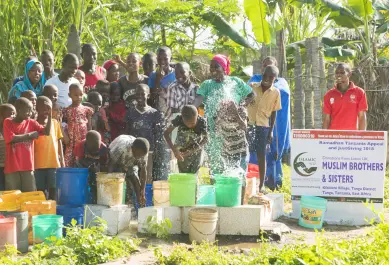
Sadaqah Jariyah is an Arabic term that translates to “ongoing charity” or “continuous charity.” It refers to any charitable act whose benefits continue over a long period. Unlike a one-time donation that might meet an immediate need, a Sadaqah Jariyah project keeps giving back to people repeatedly. For example, digging a water well in a village is Sadaqah Jariyah because it will provide clean water for years, long after the well is built. Similarly, planting a fruit tree that will bear fruit season after season or funding a school that will educate generations of children are acts of Sadaqah Jariyah. The core idea is sustainability in charity; your good deed keeps benefiting others on an ongoing basis.

بِسْمِ ٱللَّهِ ٱلرَّحْمَٰنِ ٱلرَّحِيمِ

“The example of those who spend their wealth in the way of Allah is like a seed that sprouts into seven ears, each bearing one hundred grains.”

Islamic Significance of Continuous Charity

In Islam, Sadaqah Jariyah holds a special significance because it is one of the deeds that can earn a person rewards even after death. Prophet Muhammad (peace be upon him) said that when a person dies, all their deeds end except three things: ongoing charity, beneficial knowledge, and a righteous child’s prayers. This hadith highlights that a charity which continues to help others (even when the original giver is no longer alive) will still bring spiritual rewards to the giver. This concept motivates many Muslims to establish forms of charity that outlast them, such as building a mosque or hospital, or endowing a charitable trust, so that they leave a lasting legacy of goodness. The Qur’an also encourages giving and promises an excellent reward for those who spend in charity. One verse compares charity to a seed that grows seven hundredfold by Allah’s grace, implying that even a small act of charity can multiply into tremendous benefit. Sadaqah Jariyah is an excellent way to see that multiplication in action: your initial “seed” (effort or donation) continues to grow over time, helping more people and earning greater rewards.

Sadaqah Jariyah vs. One-Time Charity

A key aspect of understanding what Sadaqah Jariyah is involves distinguishing it from regular Sadaqah (voluntary charity). Regular Sadaqah is any charitable deed, such as giving money to the poor, feeding someone, donating clothes, etc., typically a one-off act. Sadaqah Jariyah is a long-term philanthropic act. For instance:


  • Donating a meal to a hungry family is Sadaqah (it fulfils their need for a day).
  • Installing a water pump for a community is Sadaqah Jariyah (it fulfils a need continuously for years).


Both types are virtuous and encouraged. However, Sadaqah Jariyah has the added virtue of perpetual benefit. Many people will do both: give small Sadaqah regularly and also invest in a Sadaqah Jariyah project when they can. Our article on the Difference Between Sadaqah and Sadaqah Jariyah delves deeper into this comparison. It’s also worth noting that Sadaqah Jariyah is sometimes likened to Waqf, an Islamic endowment, because, traditionally, a waqf (e.g., donating property for public use) is a form of charity that benefits people continually. In essence, any charity whose utility endures can be viewed as Sadaqah Jariyah.
Copy of 192A0356
Tanzania Water (4)
Tanzania Water (3)
Tanzania Water (5)
IMG_9724

Examples to Illustrate the Concept

To truly understand what Sadaqah Jariyah is, it helps to look at some examples: 


Water Wells and Pumps: A well can provide a community with clean water daily, improving health and livelihoods. Every drop someone drinks from that well is a source of ongoing reward for the donor.


Educational Facilities: Building or funding a school, or donating books and learning materials, spreads knowledge year after year. Each student who learns and benefits is part of the donor’s continuous charity.


Mosques and Orphanages: Contributing to building a mosque means every prayer performed there counts in your favour. Supporting an orphanage or a home for the elderly can count as Sadaqah Jariyah, provided the establishment continues caring for people in the future. 


Planting Trees: A fruit tree can feed people (and even animals) for many years. Shade trees can cool an area and improve the environment. The Prophet (pbuh) encouraged planting trees, and this act is considered a form of ongoing charity, as it benefits creatures in the long term. 


Sharing Knowledge: Perhaps less tangible but equally significant, spreading beneficial knowledge (such as printing Quran copies, funding scholarships, or even creating useful Islamic websites/apps) is a Sadaqah Jariyah. As long as people continue to learn or be guided by that knowledge, the original contributor earns rewards. 


These examples show the breadth of what Sadaqah Jariyah can encompass. It’s not limited to wealthy donors building large projects; even simple acts can qualify if they have lasting benefits. For instance, teaching someone a skill or a dua (supplication) that they then use throughout their life can be your Sadaqah Jariyah. The main criterion is ongoing benefit.

Why Emphasise Sadaqah Jariyah?

By now, we’ve defined Sadaqah Jariyah and seen how it works. But why is it so emphasised in our faith? The answer lies in its unique blend of compassion and foresight. Sadaqah Jariyah encourages us to think about the future, to create institutions or resources that will help others sustainably. In doing so, it addresses not only immediate needs but also strengthens communities for the long run. 

From a spiritual perspective, it’s a means for a believer to continue accumulating blessings after death, when they can no longer perform deeds directly. It’s like planting a fruit tree of good deeds in this life, which will continue to bear fruit when we’re in our graves. This is incredibly motivating because it gives us a way to proactively impact our Hereafter. 

From a humanitarian perspective, Sadaqah Jariyah projects often tackle root causes of poverty or suffering, providing education, water, healthcare, etc, thereby breaking cycles of hardship. They leave the world a better place for future generations. Islamic teachings thus beautifully tie together the betterment of society with the spiritual benefit of the donor.

In summary, Sadaqah Jariyah is an act of charity that never truly ends. It’s a charity that creates a legacy. By understanding this concept, we can strive to incorporate at least one ongoing charity initiative in our lives, no matter how small, alongside our regular charitable giving.

FAQs:

  • Does Sadaqah Jariyah have to last forever to count?
    Not necessarily forever, but it should have a long-term benefit. As long as it continues to benefit others for an extended period (months, years, or generations), it’s considered Sadaqah Jariyah. All things in this world eventually end, but even a project that benefits people for a few years (and could benefit many people in that time) qualifies as an ongoing charity.
  • Can I start a Sadaqah Jariyah project even if I don’t have much money?
    Yes. You can start small or collaborate with others. For example, you might not afford to build a whole school, but you could sponsor a classroom or donate supplies. You could contribute to existing projects run by charities (like funding part of a well). Even volunteering your time to launch something beneficial (like creating educational content) is a form of Sadaqah Jariyah through knowledge. Every bit counts towards continuous charity.
  • Is Sadaqah Jariyah mentioned in the Qur’an?
    The term itself is derived from Islamic tradition (hadith) rather than the Qur’an directly using the phrase “Sadaqah Jariyah.” However, the concept is supported by Quranic verses that praise charity and the idea of an ongoing reward. For instance, Quran 2:261 (which describes charity growing like a multiplied harvest) is often associated with the spirit of continuous charity. The Qur’an encourages us to invest in good works that continue to grow in reward, which is precisely what Sadaqah Jariyah is about.

updates that matter

Empower my Inbox

Join Mission Possible

Interested in volunteering? Tell us a little about yourself and our team will be in touch with next steps.

    Still want to join?

    This mission is currently full. Add your email address and we'll let you know if a place becomes available.

      Updates that matter

      Join our mailing list for events, urgent appeals, and project updates from the communities you help empower.

        We use cookies to make your visit even better

        They help us understand how our website is used so we can improve your experience and share the stories and projects you care about most. All data is anonymous, and your privacy matters to us.