Best Time to give Sadaqah in Islam

Best Time to give Sadaqah in Islam
Latest News

Best Time to give Sadaqah in Islam

Learn when to give Sadaqah in Islam, understanding key moments, intentions, and how consistent charity brings greater spiritual reward and closeness to Allah SWT.

The question of the best time to give charity in Islam is one many Muslims ask when seeking greater reward and closeness to Allah. Islamic teachings make clear that charity is encouraged at all times, yet certain moments, habits, and circumstances give Sadaqah deeper spiritual significance. Understanding these moments helps transform giving from an occasional act into a consistent form of worship.

At its core, giving charity in Islam is about intention, sincerity, and responsiveness. While Zakat is an obligation, voluntary charity in Islam, known as Sadaqah, is open-ended and flexible. It allows believers to give whenever opportunity arises, in ways that suit their circumstances, while still reaping immense reward.
بِسْمِ ٱللَّهِ ٱلرَّحْمَٰنِ ٱلرَّحِيمِ

“The example of those who spend their wealth in the way of Allah is like a seed that sprouts into seven ears, each bearing one hundred grains.”

Sadaqah in Islam and Its Spiritual Value

Sadaqah in Islam is more than financial assistance. It includes all charitable acts done sincerely for Allah’s sake. The Prophet Muhammad ﷺ taught that even a kind word or removing harm from someone’s path is charity. This broad understanding highlights the importance of Sadaqah in Islam as a daily expression of faith rather than a limited ritual.

The reward of Sadaqah extends beyond material outcomes. Among the widely recognised benefits of Sadaqah are purification of wealth, softening of the heart, forgiveness of sins, and protection from harm. Charity nurtures empathy, strengthens communities, and draws a believer spiritually closer to Allah.

Consistency and Daily Sadaqah

One of the strongest principles in Islam is that actions done consistently are most beloved to Allah. This makes daily Sadaqah and giving Sadaqah daily especially meaningful, even when the amount is small. Regular giving reflects trust in Allah and helps embed generosity into everyday life.

Practising consistent charity in Islam can take many forms: donating small amounts regularly, helping others routinely, or supporting a cause long-term. What matters is continuity. When charity becomes habitual, it remains present in both ease and hardship, ensuring a constant flow of good deeds.

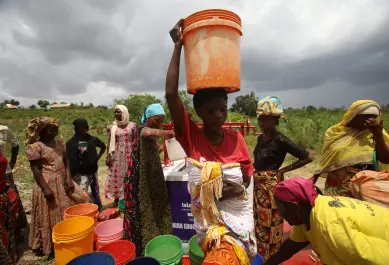
IMG_0285
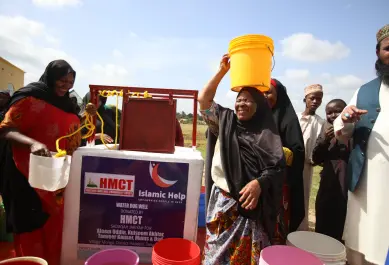
1649735406151
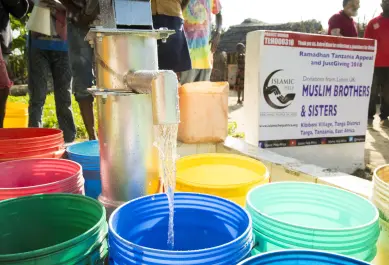
IH Eco Village 2020 (1 of 29)
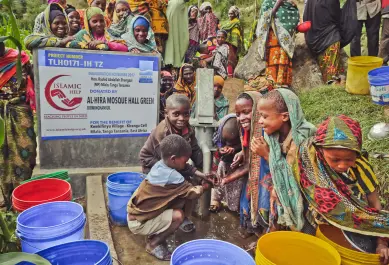
IMG-20161206-WA0002_1481019959377
IMG_3052

Charity on Friday and Jumu‘ah

Friday holds a unique status in Islam, making charity on Friday in Islam a well-established practice. Jumu‘ah is the best day of the week, a time of congregational prayer and increased blessing. Giving Sadaqah on Jumu‘ah aligns generosity with worship and reinforces social responsibility within the community.

Many Muslims choose Friday as a weekly reminder to give, whether through mosque donations, helping someone in need, or supporting charitable causes online.

Sadaqah in Ramadan and the Last Ten Nights

Among all periods in the Islamic calendar, Sadaqah in Ramadan carries exceptional reward. Ramadan is a month of mercy, reflection, and generosity, making charity in Ramadan in Islam especially impactful. The Prophet Muhammad ﷺ was known to be particularly generous during this month, setting a powerful example for believers.

Within Ramadan, the last ten nights hold special importance. Many Muslims increase their giving during this time, practising Sadaqah in the last ten nights of Ramadan in search of Laylatul Qadr. Both Sadaqah on Laylatul Qadr and charity on Laylatul Qadr are emphasised because this night is described in the Qur’an as better than a thousand months. Charity given on this night carries the reward of sustained worship over a lifetime.

Sadaqah in Dhul Hijjah and the Day of Arafah

Outside Ramadan, the first ten days of Dhul Hijjah are among the most virtuous days of the year. Giving Sadaqah in Dhul Hijjah is highly encouraged, as righteous deeds during this period carry multiplied reward.

In particular, Sadaqah on the Day of Arafah is especially virtuous. The Day of Arafah is associated with forgiveness, mercy, and answered supplication, making charity in Dhul Hijjah a powerful means of seeking closeness to Allah.

Sadaqah and the Time of Day

Islam does not restrict charity to a specific hour, but scholars have long reflected on how the time of day for Sadaqah can influence intention. Morning Sadaqah is often encouraged based on narrations describing angels who pray for those who give early, asking Allah to replace what they spend.

At the same time, night Sadaqah holds unique value, particularly when given quietly. The Qur’an praises those who give charity by night and by day, openly and secretly. Secret Sadaqah in Islam helps protect sincerity and removes the desire for recognition, allowing charity to remain purely for Allah’s sake.

Sadaqah During Hardship

Charity is not limited to times of ease. In fact, Sadaqah during hardship is strongly encouraged in Islam. There are narrations indicating that Sadaqah can ward off calamity, making charity a form of supplication through action. Many believers give Sadaqah during illness, anxiety, or difficulty, trusting that Allah’s mercy is drawn closer through helping others.

Sadaqah as a Means of Nearness to Allah

One of the greatest spiritual outcomes of charity is that Sadaqah brings a person closer to Allah. Through generosity, believers detach from excessive love of wealth and grow in reliance upon Allah. Whether given daily, during sacred times, or in moments of hardship, charity refines the soul and strengthens faith.

A Final Reflection

There is no single moment that defines the perfect time to give charity. Whether through giving Sadaqah daily, practising consistent charity in Islam, giving on Friday, during Ramadan, on Laylatul Qadr, or on the Day of Arafah, every moment holds opportunity.

Ultimately, the best time to give charity in Islam is when sincerity meets action, seeking Allah’s pleasure, benefiting others, and building lasting reward for this life and the next.

FAQs:

  • When is the best time to give Sadaqah?
    The best time to give Sadaqah is whenever a genuine need exists, and you are able to help. While giving during Ramadan or other blessed times carries extra reward, Islam encourages charity at all times, especially when immediate support can ease hardship or distress.
  • Can I give Sadaqah every day?
    Yes, giving Sadaqah every day is encouraged, even if the amount is small. Daily charity builds consistency, strengthens generosity, and keeps the heart connected to helping others. Islam values regular good deeds and rewards ongoing charity that benefits people continuously.
  • Is Sadaqah more rewarding during Ramadan?
    Yes, Sadaqah during Ramadan is more rewarding because good deeds are multiplied in this blessed month. Charity during Ramadan supports families, and those fasting, but Sadaqah given outside Ramadan remains valuable and should continue throughout the year.
  • Can Sadaqah be given during a period of personal hardship?
    Yes, Sadaqah may be given during personal hardship, though it is not required. Some people give charity seeking Allah’s help and relief. However, Islam does not require charity if it causes harm, and basic needs should always be prioritised.
  • Is it better to give Sadaqah privately or publicly?
    Both private and public Sadaqah are allowed in Islam. Giving privately helps protect sincerity, while public giving can encourage others. The best choice depends on intention and ensuring charity is given for the sake of Allah.
  • Does timing affect the reward of Sadaqah?
    Yes, timing can enhance the reward of Sadaqah, especially when charity is given during blessed times or meets urgent needs. However, Islam teaches that sincerity and intention are more important than timing alone.
  • Can acts of kindness count as Sadaqah at any time?
    Yes, acts of kindness count as Sadaqah at any time when done sincerely. Helping others, offering support, or responding to need are all recognised as charity in Islam and carry reward regardless of timing or financial value.
  • Can I plan my Sadaqah giving?
    Yes, planning Sadaqah is encouraged and helps maintain consistency. Regular giving supports charities and communities sustainably while allowing donors to manage their responsibilities responsibly and continue helping others over time.

updates that matter

Empower my Inbox

How Much Sadaqah to Give: A Practical Guide

How Much Sadaqah to Give: A Practical Guide
Latest News

How Much Sadaqah to Give: A Practical Guide

Learn how much Sadaqah to give, understanding its flexible nature, importance of intention, and how to give generously in a balanced, meaningful way.

Introduction

One of the most common questions Muslims ask about charity is how much Sadaqah to give. Because Sadaqah is a voluntary charity in Islam, there is no fixed amount required. This flexibility allows everyone to give charity in a way that suits their circumstances.

In Islam, giving charity in Islam is not only about money. Sadaqah reflects intention, sincerity, and the desire to perform a good deed for the sake of Allah. Whether large or small, every sincere act of charity carries value and reward.

This guide explains how to approach Sadaqah in a balanced way, helping you give generously without hardship while fulfilling the spirit of charity in Islam.

بِسْمِ ٱللَّهِ ٱلرَّحْمَٰنِ ٱلرَّحِيمِ

“The example of those who spend their wealth in the way of Allah is like a seed that sprouts into seven ears, each bearing one hundred grains.”

No Fixed Amount in Islam

Unlike Zakat, which is an obligatory charity and one of the pillars of Islam, Sadaqah has no minimum or maximum amount. Islam does not require a percentage, threshold, or calculation.

The Prophet Muhammad ﷺ taught that even the smallest act of charity is valuable. A person who gives a little while having little may earn more reward than someone who gives a large amount easily. This teaching shows that intention matters more than quantity.

Because Sadaqah is voluntary, it allows believers to spend their wealth according to ability and compassion, without pressure or obligation.

Giving Within Your Means

Islam encourages generosity but also balance. Charity should never cause harm to the giver or their dependents.

A practical approach is to consider income, expenses, and responsibilities first. Once necessities are covered, a Sadaqah donation can be given from what remains. Some people prefer small, regular amounts, while others give larger donations occasionally.

Giving within your means makes Sadaqah a sustainable habit rather than a source of stress.

Tanzania Water (4)
0U4A5884
0U4A5740
Tanzania Water (6)
lslamic Help (1 of 2)

Small and Regular vs Large and Occasional

Both methods of giving are valid acts of charity.

Small, regular donations help build consistency and keep the charity present in daily life. Over time, these regular contributions can have a long-term impact and bring ongoing benefit.

Larger, occasional donations may be more suitable during Ramadan, emergencies, or moments of gratitude. Islam values consistency, but it also encourages generosity whenever one is able.

Adjusting Sadaqah Over Time

Financial situations change, and Islam recognises this.

When income increases, increasing Sadaqah is encouraged as a form of gratitude. When finances are tight, reducing voluntary charity is allowed. Islam does not burden a soul beyond its capacity.

Some people increase Sadaqah after receiving unexpected income, bonuses, or blessings, seeing charity as a way to share goodness with others.

Sadaqah During Hardship

Sadaqah is not required during hardship, but some people still choose to give, believing charity can invite relief by Allah’s permission.

This is a personal choice, not an obligation. A small act of kindness given during difficulty may strengthen faith and hope, but no one should feel pressured to give when basic needs are at risk. Islam values intention and effort, not comparison.

Sadaqah Is More Than Money

Sadaqah is not limited to financial donations. Acts of kindness, time, effort, and service are all valid forms of charity.

Helping someone move, offering advice, volunteering, or simply showing compassion are all charitable acts. These actions often bring immediate benefit and strengthen bonds within families and the wider Muslim community. This understanding ensures that everyone can practise charity, regardless of financial situation.

Intention, Sincerity, and Reward

Islam places great emphasis on sincerity. A small donation given sincerely for Allah’s pleasure may outweigh a large donation given for recognition.

Sadaqah is an act of worship, and renewing intention before giving helps protect its spiritual value. Charity given quietly and humbly carries a great reward.

The Prophet ﷺ taught that charity removes sins as water extinguishes fire, highlighting its purifying effect on the heart.

The Spiritual Benefit of Sadaqah

The benefit of Sadaqah extends beyond material help. Charity softens the heart, builds gratitude, and increases compassion.

On the Day of Judgement, charity will provide shade on the Day, protecting the believer. In another narration, the Prophet ﷺ said that on the day of resurrection, a person’s charity will stand as a shield for them.

Some teachings describe that when a person dies, their deeds end except for ongoing charity, beneficial knowledge, or a righteous child who prays, reinforcing the lasting impact of sincere giving.

Sadaqah, Zakat, and Other Forms of Charity

Sadaqah should not be confused with Zakat. Zakat is obligatory and calculated according to specific rules, often with the help of a Zakat calculator, while Sadaqah is voluntary and flexible.

Sadaqah may also include long-term projects, sometimes referred to as Sadaqah and Sadaqah Jariyah, although they are distinct concepts. Both are encouraged, and both bring reward when given sincerely.

Many people choose to give Sadaqah through trusted Muslim charities, ensuring their donations reach those most in need.

Conclusion

There is no single correct answer for how much Sadaqah to give. Islam encourages believers to give what they can, when they can, with sincerity and balance.

Whether small or large, regular or occasional, every act of charity matters. By giving with the right intention and within your means, Sadaqah becomes a source of blessing, growth, and reward in both this life and the next.

FAQs:

  • What is the difference between Sadaqah and Zakat?
    Zakat is an obligatory charity and one of the pillars of Islam, while Sadaqah is voluntary. Zakat follows fixed rules and calculations, whereas Sadaqah can be given at any time, in any amount, and in many forms, including acts of kindness and service.
  • How much Sadaqah should I give?
    There is no fixed amount for Sadaqah in Islam. You should give according to your ability and circumstances. Even a small amount given sincerely counts as charity, while larger amounts may be given when finances allow without causing hardship.
  • Is there a minimum amount for Sadaqah?
    No. Islam sets no minimum amount for Sadaqah. Any sincere donation, no matter how small, is accepted. The Prophet ﷺ taught that even small acts of charity carry reward when done for the sake of Allah.
  • Is it better to give small amounts regularly or large amounts occasionally?
    Both approaches are acceptable. Small, regular donations build consistency, while larger occasional donations can meet urgent needs. Islam values consistency but also encourages generosity whenever one is able.
  • Can I give Sadaqah if I am struggling financially?
    Sadaqah is not obligatory, so you are not required to give if it causes hardship. If you choose to give, even a small amount or a non-financial act of kindness counts. Islam prioritises basic needs and responsibilities first.
  • Does giving more Sadaqah bring more reward?
    Greater generosity can bring greater reward when given sincerely and within one’s means. A small donation given with sacrifice may earn more reward than a large amount given easily. Islam emphasises intention and sincerity over size alone.
  • Can Sadaqah be given regularly?
    Yes. Regular Sadaqah is encouraged, even if the amount is small. Consistent giving helps build generosity and provides ongoing support to people in need.
  • What types of Sadaqah can I give?
    Sadaqah can include financial donations, helping others, volunteering time, offering advice, showing kindness, or removing harm. Any good deed done, reminding oneself it is for Allah’s sake, counts as Sadaqah.

updates that matter

Empower my Inbox

Sadaqah vs Sadaqah Jariyah: Which to Give and When

Sadaqah vs Sadaqah Jariyah: Which to Give and When
Latest News

Sadaqah vs Sadaqah Jariyah: Which to Give and When

Understand the difference between Sadaqah and Sadaqah Jariyah, when to give each, and how to balance immediate needs with long-term charitable impact.

Introduction

When learning about charity in Islam, many people come across two closely related terms: Sadaqah and Sadaqah Jariyah. Both are forms of voluntary charity in Islam, but they are not the same and serve different purposes.

Understanding the difference between sadaqah and sadaqah jariyah helps Muslims give with clarity and intention. Some charities meet urgent needs today. Another charity creates an ongoing reward by helping people for years to come. Islam encourages both approaches, depending on need, capacity, and timing.

This article explains the difference between Sadaqah and Sadaqah Jariyah, when each type of charity is most appropriate, and how to balance immediate impact with long-term charity.

بِسْمِ ٱللَّهِ ٱلرَّحْمَٰنِ ٱلرَّحِيمِ

“The example of those who spend their wealth in the way of Allah is like a seed that sprouts into seven ears, each bearing one hundred grains.”

What Is Sadaqah?

Sadaqah refers to voluntary charity, given freely for the sake of Allah SWT. It includes financial donations as well as non-material acts of sadaqah, such as helping someone in difficulty or showing compassion.

Sadaqah often addresses immediate needs. Feeding a hungry person, supporting a struggling family, or offering direct help are all examples. Each act of kindness becomes an act of charity when done sincerely.

Because Sadaqah is voluntary, it can be given at any time and in any amount. Its reward is immediate, even though its impact may be short-term.

What Is Sadaqah Jariyah?

Sadaqah Jariyah refers to an ongoing charity that continues to benefit people over time. The Arabic word jariyah means “flowing,” describing a benefit that does not stop.

Examples include providing access to clean water, building schools, supporting healthcare, or orphan sponsorship. These are often described as sadaqah jariyah projects because they improve lives long after the donation is made.

The Messenger of Allah ﷺ taught that when a person dies, his deeds end except for three: ongoing charity, beneficial knowledge, and a righteous child who prays. This teaching, recorded in Sahih Muslim, forms the foundation of Sadaqah Jariyah.

Immediate Charity vs Long-Term Charity

The key difference between Sadaqah and Sadaqah Jariyah is the duration of impact.

  • Sadaqah usually meets an immediate need and offers quick relief.
  • Sadaqah Jariyah is a type of charity that creates long-term benefit and ongoing reward.

Both forms bring great reward. One responds to urgent hardship, while the other helps break cycles of poverty by improving infrastructure, education, or health.

When Is Sadaqah Most Appropriate?

Sadaqah is most appropriate when people need help right away. Emergencies, hunger, medical needs, or sudden hardship require immediate action.

Sadaqah is also encouraged during moments of gratitude or repentance. Even small good deeds, such as feeding someone or offering assistance, carry reward and benefit the recipient directly.

These simple acts can improve mental health, restore dignity, and strengthen compassion within the Muslim community.

When Is Sadaqah Jariyah Most Appropriate?

Sadaqah Jariyah is most suitable when addressing structural or long-term challenges. Projects like wells, schools, clinics, or sadaqah jariyah donations for education and healthcare improve the quality of life for many years.

Providing clean water is one of the most well-known examples, as it saves lives and improves health. Each time someone benefits, the donor receives a reward.

Many people choose Sadaqah Jariyah on behalf of deceased loved ones, as its reward continues after death and provides benefit until the Day of Judgement.

Balancing Both Forms of Charity

Islam does not require choosing one form of charity over the other. The ideal approach is balance. Meeting immediate needs through Sadaqah should not be neglected in favour of long-term projects alone. At the same time, long-term solutions should not be ignored while addressing short-term hardship.

Giving both allows believers to respond with compassion today while investing in lasting benefit for the future.

Capacity, Intention, and Ongoing Reward

Not everyone can fund large projects on their own. Islam recognises this. Even small contributions to sadaqah jariyah projects count if they help create lasting benefits. What matters most is intention. Charity given sincerely for Allah SWT carries a reward regardless of size. A small donation to an ongoing charity may earn a reward for years to come.

The Prophet ﷺ taught that charity provides protection and shade on the Day of Judgement, reinforcing the spiritual value of both immediate and long-term giving.

Conclusion

Sadaqah and Sadaqah Jariyah are both essential expressions of generosity in Islam. Sadaqah meets urgent needs and offers immediate relief. Sadaqah Jariyah creates lasting benefit and ongoing reward.

By understanding the difference and giving with intention, Muslims can support people today while investing in solutions that continue to benefit others long into the future.

FAQs:

  • 1. What is the difference between Sadaqah and Sadaqah Jariyah?
    Sadaqah refers to voluntary charity that usually meets an immediate need, such as feeding someone or offering help. Sadaqah Jariyah is an ongoing charity that continues to benefit others over time, such as providing clean water or education, allowing the reward to continue even after death.
  • 2. Which is better: Sadaqah or Sadaqah Jariyah?
    Sadaqah Jariyah is more rewarding than regular Sadaqah because its impact continues over time. While Sadaqah offers immediate help, Sadaqah Jariyah provides lasting benefit, such as a well or a school, earning ongoing rewards even after death. It’s a powerful way to build lasting good deeds for the hereafter.
  • 3. When should I give Sadaqah Jariyah?
    Sadaqah Jariyah is most suitable for addressing long-term needs, such as access to clean water, education, or healthcare. It is often given during Ramadan, after the death of a loved one, or when someone wishes to create a lasting benefit that continues to reward them beyond their lifetime.
  • 4. Can small donations count as Sadaqah Jariyah?
    Yes. Small donations can count as Sadaqah Jariyah if they contribute to projects that continue to benefit others over time. Even modest contributions toward wells, schools, or community initiatives earn ongoing reward when they help create lasting impact.
  • 5. Does Sadaqah Jariyah reward continue after death?
    Yes. The Prophet ﷺ taught that ongoing charity continues to reward a person after death as long as people benefit from it. This makes Sadaqah Jariyah a powerful way to leave a legacy of good that earns reward beyond one’s lifetime.
  • 6. How does Islamic Help support Sadaqah Jariyah projects?
    Islamic Help supports Sadaqah Jariyah projects by funding sustainable initiatives such as clean water, education, healthcare, and orphan sponsorship. Projects are delivered through trusted local partners to ensure donations create long-term benefit for communities.
  • 7. Can I give both Sadaqah and Sadaqah Jariyah together?
    Yes. Many donors balance both forms of charity. Sadaqah addresses immediate needs, while Sadaqah Jariyah supports long-term solutions. Giving both allows you to respond to urgent hardship while also investing in lasting impact.
  • 8. How do I choose the right charity project?
    Choosing the right project depends on need, capacity, and intention. Some people prioritise immediate relief, while others focus on long-term impact. Islamic Help provides guidance to help donors choose projects that align with their values and address real community needs.

updates that matter

Empower my Inbox

Hadith on Charity: What the Prophet ﷺ Taught Us

Hadith on Charity: What the Prophet ﷺ Taught Us
Latest News

Hadith on Charity: What the Prophet ﷺ Taught Us

Explore hadith on charity, learning how the Prophet ﷺ taught generosity, kindness, and sincere giving, showing charity extends beyond money to every good deed.

Introduction

The Prophet Muhammad ﷺ is the greatest example of generosity in Islam. His life was shaped by compassion, humility, and a deep concern for others. Whether he had little or much, he gave freely for the sake of Allah SWT.

Through authentic hadith, the Prophet ﷺ taught that giving charity in Islam is not limited to money. Every good work, when done sincerely, becomes a form of charity and an act of kindness. These teachings shaped the Muslim community and continue to guide millions of people today.

Charity in Islam is not transactional. It is an expression of faith, trust in Allah SWT, and care for humanity. The hadith below shows how Sadaqah purifies the soul, strengthens society, and brings reward in both this life and the next.

بِسْمِ ٱللَّهِ ٱلرَّحْمَٰنِ ٱلرَّحِيمِ

“The example of those who spend their wealth in the way of Allah is like a seed that sprouts into seven ears, each bearing one hundred grains.”

“Charity Extinguishes Sins Like Water Extinguishes Fire”

(Reported in Jami’ at-Tirmidhi and Ibn Majah)

The Prophet ﷺ taught that charity wipes away sins just as water extinguishes fire. This powerful image highlights the cleansing nature of Sadaqah.

Every person makes mistakes. Through sincere charity, Allah SWT grants forgiveness for minor sins. This hadith encourages believers to follow repentance with a good deed, reinforcing that generosity heals both the giver and the receiver.

“Give Charity Without Delay, for It Prevents Calamity”

(Reported by Ibn Majah)

The Prophet ﷺ urged believers not to delay charity. When a need appears, and a person is able, giving immediately carries special value.

Many Muslims give Sadaqah during moments of fear, illness, or uncertainty, trusting Allah SWT to protect them. Charity is not insurance, but Islam teaches that sincere giving can stand between a believer and hardship by Allah’s mercy.

“Charity Does Not Decrease Wealth”

(Sahih Muslim)

Fear of loss often prevents generosity. The Prophet ﷺ addressed this directly by teaching that charity never truly reduces wealth.

Allah SWT replaces what is given, sometimes materially and sometimes through peace, stability, or protection. This hadith builds trust in Allah and encourages believers to give freely, knowing that blessings may return in unexpected ways.

“The Believer’s Shade on the Day of Resurrection Will Be Their Charity”

(Sahih al-Bukhari and Sahih Muslim)

The Day of Judgement is described as a time of great difficulty. The Prophet ﷺ taught that charity will provide shade on the Day of Resurrection, offering comfort and protection.

This hadith shifts focus from this world to the hereafter. Every act of charity becomes preparation for that Day, a source of safety earned through sincerity and compassion.

“When a Person Dies, Their Deeds End Except Three”

(Sahih Muslim)

The Prophet ﷺ taught that when a person dies, their deeds end except for three: ongoing charity, beneficial knowledge, and a righteous child who prays for them.

This hadith introduces the concept of long-term charity, often called Sadaqah Jariyah. While this article focuses on general Sadaqah, it is important to recognise that some charity continues to benefit others long after death, creating lasting reward.

The Prophet Muhammad ﷺ as a Living Example

Beyond words, the Prophet Muhammad ﷺ lived charity. He gave generously to men and women, neighbours, strangers, and even those who opposed him.

He taught that helping family members is also charity and that kindness within the home carries great reward. His generosity strengthened the Muslim community and left a legacy of compassion that continues to influence the world today.

Charity as an Act of Worship

Sadaqah is not only a social good; it is worship. When done for the sake of Allah SWT, charity becomes a means of drawing closer to Him.

The Prophet ﷺ taught that even small acts, such as removing harm from a path or offering comfort, count as charity. These teachings emphasise that Islam values intention above scale and sincerity above recognition.

The Positive Impact of Charity

The positive impact of charity reaches far beyond the moment it is given. Charity lifts hardship, restores dignity, and strengthens bonds between people.

For the giver, Sadaqah purifies the heart, nurtures gratitude, and brings peace. For society, it creates balance, care, and mutual responsibility. This is why Islam places such emphasis on giving.

Charity and the Wider World

Islamic teachings on charity resonate beyond the Muslim community. While Islam has its own distinct framework, many recognise the universal value of generosity.

However, the Prophet Muhammad ﷺ is the central example for Muslims. His teachings, preserved in authentic collections like Sahih Muslim and Sahih al-Bukhari, guide how charity is understood and practised in Islam today.

Conclusion

The hadith of the Prophet ﷺ makes it clear that charity lies at the heart of Islam. Sadaqah purifies sins, protects from hardship, increases blessings, and provides shade on the Day of Judgement. 

Through sincere charity, believers serve Allah SWT, support humanity, and prepare for the hereafter. Every act of kindness matters. Every good work counts. And every sincere charity carriesa great reward.

FAQs:

  • What did the Prophet Muhammad ﷺ say about charity?
    The Prophet Muhammad ﷺ taught that every good deed is charity. He explained that charity purifies sins, does not decrease wealth, protects from calamity, and provides shade on the Day of Judgement.
  • Does charity remove sins in Islam?
    Yes. The Prophet ﷺ taught that charity extinguishes sins as water extinguishes fire. This means sincere acts of charity can wipe away minor sins by Allah’s mercy.
  • Is charity rewarded in the hereafter?
    Yes. Charity brings great reward in the hereafter. The Prophet ﷺ taught that charity will provide shade and protection on the Day of Judgement.
  • Does charity decrease wealth?
    No. The Prophet ﷺ clearly stated that charity does not decrease wealth. Allah SWT replaces what is given through blessing, protection, or reward.
  • What is an ongoing charity in Islam?
    Ongoing charity refers to acts that continue to benefit others over time, such as wells or education. The Prophet ﷺ taught that this charity continues to reward a person even after death.
  • How does Islamic Help apply these hadith today?
    Islamic Help uses these prophetic teachings to guide its charitable work, ensuring donations create real benefit while maintaining sincerity and care.
  • Can small acts really count as charity?
    Yes. The Prophet ﷺ taught that even small acts of kindness count as charity when done sincerely for Allah SWT.
  • Why is charity so central to the Muslim community?
    Charity builds compassion, responsibility, and unity. It strengthens the Muslim community and reflects faith through action.

updates that matter

Empower my Inbox

Sadaqah vs Zakat: Key Differences Explained

Sadaqah vs Zakat: Key Differences Explained
Latest News

Sadaqah vs Zakat: Key Differences Explained

Learn the key differences between Sadaqah and Zakat, understanding their purposes, obligations, and how each supports giving charity correctly in Islam.

Introduction

Charity is a central part of Islamic life, but not all charity is the same. Many Muslims want clarity on sadaqah vs. zakat, two forms of giving often mentioned together but serving different purposes.

Both are important charitable acts and deeply rewarded. However, Zakat is an obligation, while Sadaqah is voluntary. Understanding this difference helps Muslims fulfil their religious duties correctly and practise giving charity in Islam as Allah has prescribed.

بِسْمِ ٱللَّهِ ٱلرَّحْمَٰنِ ٱلرَّحِيمِ

“The example of those who spend their wealth in the way of Allah is like a seed that sprouts into seven ears, each bearing one hundred grains.”

Zakat as a Pillar of Islam

Zakat is not simply charity. It is zakat as a pillar of Islam, making it a compulsory act of worship for Muslims who meet specific financial conditions.

Zakat becomes due when a person’s wealth reaches the nisab threshold and remains above it for one full lunar year. Nisab refers to the minimum level of wealth that makes Zakat obligatory. It is commonly calculated using the value of gold and silver, and many people use a zakat calculator to ensure accuracy.

For most Muslims, Zakat is paid at 2.5% of eligible assets such as savings, cash, and business inventory. Personal items used daily are generally excluded.

Failing to pay Zakat when it is due is a serious matter, as it means neglecting a pillar of faith.

Sadaqah: Voluntary Charity in Islam

Sadaqah is a voluntary charity in Islam. It has no fixed amount, no required timing, and no minimum threshold.

A sadaqah donation may be financial, but it also includes non-material acts of kindness, such as helping someone in need, offering advice, or removing harm from the road. The Prophet Muhammad ﷺ taught that every good deed is a form of charity.

Because Sadaqah is voluntary, it allows believers to respond immediately to need. It is given freely for the sake of Allah, without obligation or calculation.

Obligation vs Voluntary Giving

The most important difference between zakat and sadaqah is the obligation. Zakat is required once its conditions are met. Sadaqah is optional and given out of generosity. A Muslim is sinful for neglecting Zakat when it is due, but there is no sin in not giving Sadaqah.

This does not reduce the value of Sadaqah. In fact, voluntary charity often reflects deeper sincerity because it is not required. However, Sadaqah can never replace Zakat. If Zakat is due, it must be paid separately and with the correct intention.

Timing: When Each Is Given

Zakat is paid once a year based on a person’s Zakat anniversary. Many Muslims choose to pay it in Ramadan, but this is a personal preference.

Sadaqah can be given at any time. Many people give more sadaqah during Ramadan, but it remains equally valid throughout the year. This flexibility allows Sadaqah to address urgent needs as they arise.

Who Can Receive Zakat and Sadaqah?

Zakat can only be given to specific groups defined in the Qur’an, such as the poor, the needy, and those in debt.

Sadaqah has no such restriction. It can be given to anyone in need, including family members, neighbours, community projects, or humanitarian causes. This makes Sadaqah one of the most flexible forms of charity in Islam.

Sadaqah, Zakat, and Sadaqah Jariyah (Contextual Only)

It is important to distinguish between sadaqah and sadaqah jariyah. Sadaqah refers to voluntary charity that may have an immediate impact. Sadaqah Jariyah refers to an ongoing charity that continues to benefit people over time, such as building a well or supporting education.

Zakat funds, however, are restricted to defined categories and cannot always be used for long-term infrastructure.

Spiritual Rewards of Giving

Both Zakat and Sadaqah carry immense reward. The Prophet Muhammad ﷺ taught that charity extinguishes sins as water extinguishes fire, showing its purifying effect.

Charity also provides protection on the Day of Judgement. In a well-known hadith, the Prophet ﷺ taught that ongoing charity, beneficial knowledge, and a righteous child who prays are among the deeds that continue to benefit a person after death. These teachings are recorded in authentic collections such as Sahih Muslim.

Conclusion

Zakat and Sadaqah are both essential, but they are not interchangeable. Zakat is an obligatory pillar that purifies wealth and fulfils a divine command. Sadaqah is a voluntary form of charity that allows believers to go beyond obligation in generosity and compassion.

To give correctly, Muslims should first fulfil Zakat if it is due, then give Sadaqah as generously and consistently as they are able. Together, they form a complete and balanced approach to charity in Islam.

FAQs:

  • What is the difference between Sadaqah and Zakat?
    Zakat is obligatory and one of the pillars of Islam, while Sadaqah is voluntary. Zakat has fixed rules and thresholds, whereas Sadaqah can be given at any time, in any amount, and in many forms.
  • Can Sadaqah replace Zakat?
    No. If Zakat is due, it must be paid separately with the intention of Zakat. Voluntary Sadaqah cannot replace or count toward Zakat obligations.
  • Is Zakat more important than Sadaqah?
    Zakat takes priority if it is due because it is obligatory. Sadaqah brings additional reward, but should not be given at the expense of fulfilling Zakat.
  • Can Sadaqah be an ongoing charity?
    Yes. Some Sadaqah takes the form of ongoing charity, known as Sadaqah Jariyah, which continues to benefit people over time.
  • Is Sadaqah rewarded in the hereafter?
    Yes. Charity is rewarded greatly. The Prophet ﷺ taught that it provides protection on the Day of Judgement and earns lasting reward.
  • How does Islamic Help manage Zakat and Sadaqah?
    Islamic Help manages Zakat and Sadaqah separately to ensure funds are distributed according to Islamic guidelines and reach appropriate beneficiaries.
  • Can small acts really count as charity?
    Yes. Islam teaches that every good deed counts as charity when done sincerely, even if it seems small.
  • Does Sadaqah benefit the giver?
    Yes. Sadaqah purifies the heart, increases blessings, and brings reward in both this life and the next.

updates that matter

Empower my Inbox

What Is Sadaqah? Understanding Voluntary Charity in Islam Introduction

What Is Sadaqah? Understanding Voluntary Charity in Islam Introduction
Latest News

What Is Sadaqah? Understanding Voluntary Charity in Islam Introduction

Understand what Sadaqah is, its meaning as voluntary charity in Islam, and how everyday acts of kindness become worship through sincere intention.

What is Sadaqah? At its heart, Sadaqah is a voluntary charity in Islam, given freely and sincerely for the sake of Allah. It is not limited to money, wealth, or status. Instead, it reflects compassion, generosity, and faith expressed through action.

Giving charity in Islam is a way of turning everyday behaviour into worship. A kind word, a helping hand, or a small donation can all become Sadaqah when done with a sincere intention. This makes Sadaqah accessible to everyone, regardless of income or background.

Sadaqah strengthens communities and softens hearts. It allows believers to practise faith beyond rituals, transforming ordinary moments into acts of kindness and worship that carry spiritual meaning and reward.

بِسْمِ ٱللَّهِ ٱلرَّحْمَٰنِ ٱلرَّحِيمِ

“The example of those who spend their wealth in the way of Allah is like a seed that sprouts into seven ears, each bearing one hundred grains.”

The Meaning of Sadaqah in Islam

The Sadaqah meaning comes from the Arabic root sidq, which means truthfulness and sincerity. This reflects the essence of Sadaqah: a good deed performed honestly, without obligation, and purely for Allah’s pleasure.

While many people associate charity with money, Sadaqah includes all charitable acts. The Prophet Muhammad ﷺ taught that every good action is charity. Smiling at someone, removing harm from the road, or helping a person in need are all recognised as Sadaqah.

Financial Sadaqah remains important. A Sadaqah donation may involve giving money, food, clothing, or essential items. There is no minimum or maximum amount. What matters is sincerity, not size.

Sadaqah as an Act of Worship

Sadaqah is not just social good; it is an act of worship. When given for the sake of Allah, charity becomes a way to draw closer to Him.

The Prophet Muhammad ﷺ described Sadaqah as proof of faith. Giving requires trust that Allah will provide and reward generosity. This is why Sadaqah carries deep spiritual value.

Islam teaches that charity does not reduce wealth. Instead, it brings blessings. The Prophet ﷺ taught that charity extinguishes sins as water extinguishes fire, reminding believers that generosity purifies the soul.

Sadaqah and Zakat: A Clear Distinction

Although often mentioned together, Zakat and Sadaqah are not the same.

Zakat is obligatory and one of the pillars of Islam. It applies only when wealth reaches the nisab threshold, calculated based on assets such as gold and silver. Eligible Muslims must pay it annually.

Sadaqah, by contrast, is voluntary. It has no fixed timing, no required amount, and no restriction on who may give it. Giving Sadaqah does not replace Zakat. If Zakat is due, it must still be paid separately.

Understanding this difference protects religious duties and ensures charity is given correctly.

Sadaqah During Ramadan and Beyond

Many people give Sadaqah during Ramadan, as rewards are multiplied and generosity increases. While Ramadan is a blessed time for charity, Sadaqah is not limited to one month.

Sadaqah can be given at any time, during hardship, gratitude, or reflection. Whether in Ramadan or outside of it, every act of charity remains valuable.

Sharing reminders or charitable appeals on social media can also be a form of encouragement, helping others engage in giving, as long as the intention remains sincere.

Everyday Examples of Sadaqah

Sadaqah can be practised daily in simple ways:

  • Financial charity: donating money to support those in need
  • Acts of kindness: helping someone carry a burden or offering guidance
  • Providing essentials: food, clothing, or even clean water
  • Good character: smiling, listening, showing patience
  • Removing harm: clearing obstacles that could hurt others

Each of these is a form of charity that carries a reward when done sincerely.

The Benefits of Sadaqah

The benefit of Sadaqah reaches both giver and receiver.

For the receiver, Sadaqah can relieve hardship, hunger, or distress. For the giver, it brings peace, gratitude, and spiritual growth. Charity protects from calamity, increases blessings, and earns reward in the hereafter.

On the Day of Judgement, Sadaqah will stand as protection for the believer. The Prophet ﷺ taught that charity will provide shade on that Day, highlighting its lasting value.

Sadaqah and Sadaqah Jariyah (Contextual Only)

It is important not to confuse Sadaqah and Sadaqah Jariyah.

Sadaqah refers to voluntary charity with immediate benefit. Sadaqah Jariyah refers to charity that continues to benefit others, such as building a well or supporting education.

The Prophet ﷺ taught that when a person dies, their deeds end except for three: ongoing charity, beneficial knowledge, and a righteous child who prays for them. While closely related, these are distinct forms of giving and are covered separately.

Who Can Give Sadaqah?

Anyone can give Sadaqah. Wealth is not required. Even those with little can give through time, effort, or kindness.

Islam values intention above amount. A small act done sincerely may carry a great reward, sometimes greater than a large donation given without care.

Conclusion

Sadaqah is a gift from Allah that allows believers to live their faith through generosity. Whether through money, actions, or words, Sadaqah transforms daily life into worship.

When you donate Sadaqah for the sake of Allah, you invest in both this life and the next. Every good deed matters, every act of kindness counts, and every sincere charity carries reward.

FAQs:

  • What is Sadaqah in Islam?
    Sadaqah is a voluntary charity given for the sake of Allah. It includes financial donations and non-material acts such as kindness, help, or removing harm. Any sincere good deed intended to please Allah counts as Sadaqah.
  • Is Sadaqah different from Zakat?
    Yes. Zakat is obligatory and one of the pillars of Islam, while Sadaqah is voluntary. Zakat has fixed rules and thresholds, whereas Sadaqah can be given at any time, in any amount, and in many forms.
  • Can Sadaqah be given during Ramadan only?
    No. While Sadaqah during Ramadan carries an increased reward, it can be given at any time. Charity is encouraged throughout the year whenever a need arises or generosity moves the heart.
  • Does Sadaqah benefit the giver?
    Yes. Sadaqah brings spiritual reward, purifies wealth, and increases blessings. Islam teaches that charity does not reduce wealth but invites barakah and protection in both this life and the hereafter.
  • Is Sadaqah Jariyah the same as Sadaqah?
    No. Sadaqah Jariyah refers to an ongoing charity that continues to benefit others over time. Sadaqah includes all voluntary charity, whether immediate or short-term. They are related but not the same.
  • How does Islamic Help use Sadaqah donations?
    Islamic Help uses Sadaqah donations to support humanitarian projects, provide essential aid, and assist vulnerable communities. Funds are managed responsibly to ensure they reach those most in need.
  • Can small acts really count as Sadaqah?
    Yes. Islam teaches that even small acts, such as a smile or a kind word, count as charity when done sincerely. No good deed is too small in the sight of Allah.
  • Is Sadaqah rewarded on the Day of Judgement?
    Yes. The Prophet ﷺ taught that charity will provide shade and protection on the Day of Judgement, reflecting its lasting spiritual value.

updates that matter

Empower my Inbox

Join Mission Possible

Interested in volunteering? Tell us a little about yourself and our team will be in touch with next steps.

    Still want to join?

    This mission is currently full. Add your email address and we'll let you know if a place becomes available.

      Updates that matter

      Join our mailing list for events, urgent appeals, and project updates from the communities you help empower.

        We use cookies to make your visit even better

        They help us understand how our website is used so we can improve your experience and share the stories and projects you care about most. All data is anonymous, and your privacy matters to us.