Sadaqah vs Sadaqah Jariyah: Which to Give and When

Sadaqah vs Sadaqah Jariyah: Which to Give and When
Latest News

Sadaqah vs Sadaqah Jariyah: Which to Give and When

Understand the difference between Sadaqah and Sadaqah Jariyah, when to give each, and how to balance immediate needs with long-term charitable impact.

Introduction

When learning about charity in Islam, many people come across two closely related terms: Sadaqah and Sadaqah Jariyah. Both are forms of voluntary charity in Islam, but they are not the same and serve different purposes.

Understanding the difference between sadaqah and sadaqah jariyah helps Muslims give with clarity and intention. Some charities meet urgent needs today. Another charity creates an ongoing reward by helping people for years to come. Islam encourages both approaches, depending on need, capacity, and timing.

This article explains the difference between Sadaqah and Sadaqah Jariyah, when each type of charity is most appropriate, and how to balance immediate impact with long-term charity.
بِسْمِ ٱللَّهِ ٱلرَّحْمَٰنِ ٱلرَّحِيمِ

“The example of those who spend their wealth in the way of Allah is like a seed that sprouts into seven ears, each bearing one hundred grains.”

What Is Sadaqah?

Sadaqah refers to voluntary charity, given freely for the sake of Allah SWT. It includes financial donations as well as non-material acts of sadaqah, such as helping someone in difficulty or showing compassion.

Sadaqah often addresses immediate needs. Feeding a hungry person, supporting a struggling family, or offering direct help are all examples. Each act of kindness becomes an act of charity when done sincerely.

Because Sadaqah is voluntary, it can be given at any time and in any amount. Its reward is immediate, even though its impact may be short-term.

What Is Sadaqah Jariyah?

Sadaqah Jariyah refers to an ongoing charity that continues to benefit people over time. The Arabic word jariyah means “flowing,” describing a benefit that does not stop.

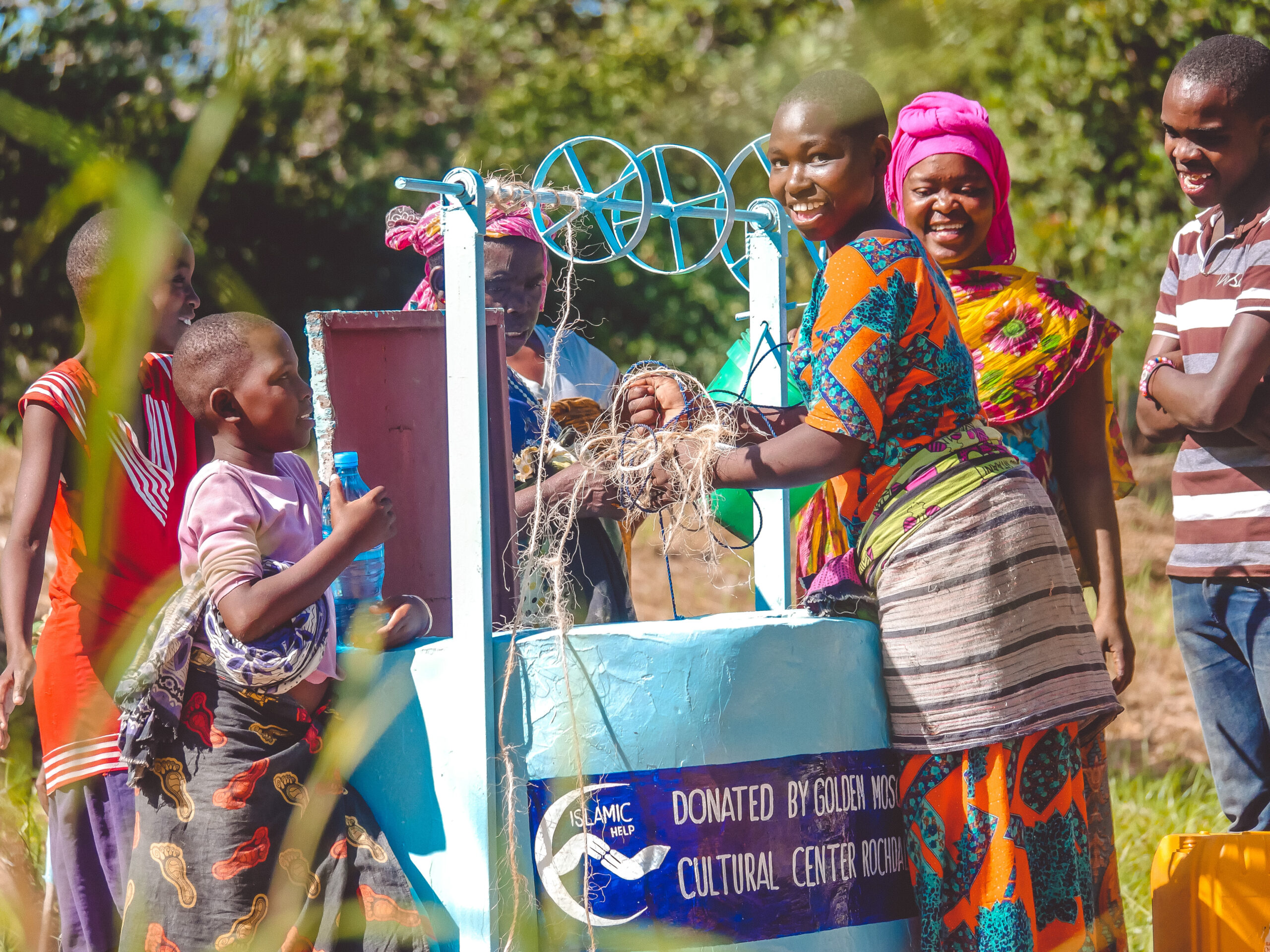
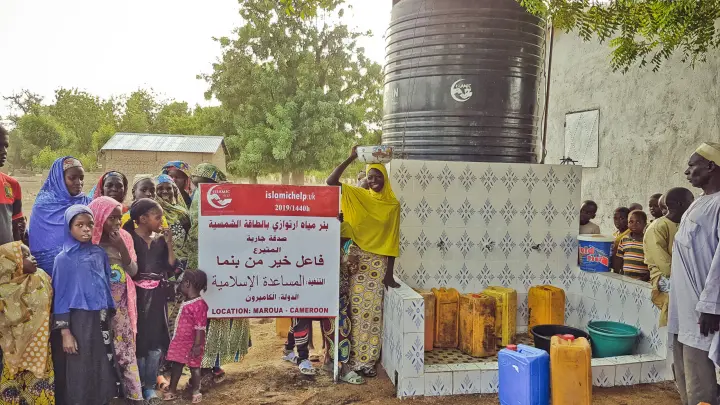
Examples include providing access to clean water, building schools, supporting healthcare, or orphan sponsorship. These are often described as sadaqah jariyah projects because they improve lives long after the donation is made.

The Messenger of Allah ﷺ taught that when a person dies, his deeds end except for three: ongoing charity, beneficial knowledge, and a righteous child who prays. This teaching, recorded in Sahih Muslim, forms the foundation of Sadaqah Jariyah.

Immediate Charity vs Long-Term Charity

The key difference between Sadaqah and Sadaqah Jariyah is the duration of impact.

  • Sadaqah usually meets an immediate need and offers quick relief.
  • Sadaqah Jariyah is a type of charity that creates long-term benefit and ongoing reward.

Both forms bring great reward. One responds to urgent hardship, while the other helps break cycles of poverty by improving infrastructure, education, or health.

When Is Sadaqah Most Appropriate?

Sadaqah is most appropriate when people need help right away. Emergencies, hunger, medical needs, or sudden hardship require immediate action.

Sadaqah is also encouraged during moments of gratitude or repentance. Even small good deeds, such as feeding someone or offering assistance, carry reward and benefit the recipient directly.

These simple acts can improve mental health, restore dignity, and strengthen compassion within the Muslim community.

When Is Sadaqah Jariyah Most Appropriate?

Sadaqah Jariyah is most suitable when addressing structural or long-term challenges. Projects like wells, schools, clinics, or sadaqah jariyah donations for education and healthcare improve the quality of life for many years.

Providing clean water is one of the most well-known examples, as it saves lives and improves health. Each time someone benefits, the donor receives a reward.

Many people choose Sadaqah Jariyah on behalf of deceased loved ones, as its reward continues after death and provides benefit until the Day of Judgement.

Balancing Both Forms of Charity

Islam does not require choosing one form of charity over the other. The ideal approach is balance. Meeting immediate needs through Sadaqah should not be neglected in favour of long-term projects alone. At the same time, long-term solutions should not be ignored while addressing short-term hardship.

Giving both allows believers to respond with compassion today while investing in lasting benefit for the future.

Capacity, Intention, and Ongoing Reward

Not everyone can fund large projects on their own. Islam recognises this. Even small contributions to sadaqah jariyah projects count if they help create lasting benefits. What matters most is intention. Charity given sincerely for Allah SWT carries a reward regardless of size. A small donation to an ongoing charity may earn a reward for years to come.

The Prophet ﷺ taught that charity provides protection and shade on the Day of Judgement, reinforcing the spiritual value of both immediate and long-term giving.

Conclusion

Sadaqah and Sadaqah Jariyah are both essential expressions of generosity in Islam. Sadaqah meets urgent needs and offers immediate relief. Sadaqah Jariyah creates lasting benefit and ongoing reward.

By understanding the difference and giving with intention, Muslims can support people today while investing in solutions that continue to benefit others long into the future.

FAQs:

  • 1. What is the difference between Sadaqah and Sadaqah Jariyah?
    Sadaqah refers to voluntary charity that usually meets an immediate need, such as feeding someone or offering help. Sadaqah Jariyah is an ongoing charity that continues to benefit others over time, such as providing clean water or education, allowing the reward to continue even after death.
  • 2. Which is better: Sadaqah or Sadaqah Jariyah?
    Sadaqah Jariyah is more rewarding than regular Sadaqah because its impact continues over time. While Sadaqah offers immediate help, Sadaqah Jariyah provides lasting benefit, such as a well or a school, earning ongoing rewards even after death. It’s a powerful way to build lasting good deeds for the hereafter.
  • 3. When should I give Sadaqah Jariyah?
    Sadaqah Jariyah is most suitable for addressing long-term needs, such as access to clean water, education, or healthcare. It is often given during Ramadan, after the death of a loved one, or when someone wishes to create a lasting benefit that continues to reward them beyond their lifetime.
  • 4. Can small donations count as Sadaqah Jariyah?
    Yes. Small donations can count as Sadaqah Jariyah if they contribute to projects that continue to benefit others over time. Even modest contributions toward wells, schools, or community initiatives earn ongoing reward when they help create lasting impact.
  • 5. Does Sadaqah Jariyah reward continue after death?
    Yes. The Prophet ﷺ taught that ongoing charity continues to reward a person after death as long as people benefit from it. This makes Sadaqah Jariyah a powerful way to leave a legacy of good that earns reward beyond one’s lifetime.
  • 6. How does Islamic Help support Sadaqah Jariyah projects?
    Islamic Help supports Sadaqah Jariyah projects by funding sustainable initiatives such as clean water, education, healthcare, and orphan sponsorship. Projects are delivered through trusted local partners to ensure donations create long-term benefit for communities.
  • 7. Can I give both Sadaqah and Sadaqah Jariyah together?
    Yes. Many donors balance both forms of charity. Sadaqah addresses immediate needs, while Sadaqah Jariyah supports long-term solutions. Giving both allows you to respond to urgent hardship while also investing in lasting impact.
  • 8. How do I choose the right charity project?
    Choosing the right project depends on need, capacity, and intention. Some people prioritise immediate relief, while others focus on long-term impact. Islamic Help provides guidance to help donors choose projects that align with their values and address real community needs.

updates that matter

Empower my Inbox

Hadith on Charity: What the Prophet ﷺ Taught Us

Hadith on Charity: What the Prophet ﷺ Taught Us
Latest News

Hadith on Charity: What the Prophet ﷺ Taught Us

Explore hadith on charity, learning how the Prophet ﷺ taught generosity, kindness, and sincere giving, showing charity extends beyond money to every good deed.

Introduction

The Prophet Muhammad ﷺ is the greatest example of generosity in Islam. His life was shaped by compassion, humility, and a deep concern for others. Whether he had little or much, he gave freely for the sake of Allah SWT.

Through authentic hadith, the Prophet ﷺ taught that giving charity in Islam is not limited to money. Every good work, when done sincerely, becomes a form of charity and an act of kindness. These teachings shaped the Muslim community and continue to guide millions of people today.

Charity in Islam is not transactional. It is an expression of faith, trust in Allah SWT, and care for humanity. The hadith below shows how Sadaqah purifies the soul, strengthens society, and brings reward in both this life and the next.

بِسْمِ ٱللَّهِ ٱلرَّحْمَٰنِ ٱلرَّحِيمِ

“The example of those who spend their wealth in the way of Allah is like a seed that sprouts into seven ears, each bearing one hundred grains.”

“Charity Extinguishes Sins Like Water Extinguishes Fire”

(Reported in Jami’ at-Tirmidhi and Ibn Majah)

The Prophet ﷺ taught that charity wipes away sins just as water extinguishes fire. This powerful image highlights the cleansing nature of Sadaqah.

Every person makes mistakes. Through sincere charity, Allah SWT grants forgiveness for minor sins. This hadith encourages believers to follow repentance with a good deed, reinforcing that generosity heals both the giver and the receiver.

“Give Charity Without Delay, for It Prevents Calamity”

(Reported by Ibn Majah)

The Prophet ﷺ urged believers not to delay charity. When a need appears, and a person is able, giving immediately carries special value.

Many Muslims give Sadaqah during moments of fear, illness, or uncertainty, trusting Allah SWT to protect them. Charity is not insurance, but Islam teaches that sincere giving can stand between a believer and hardship by Allah’s mercy.

“Charity Does Not Decrease Wealth”

(Sahih Muslim)

Fear of loss often prevents generosity. The Prophet ﷺ addressed this directly by teaching that charity never truly reduces wealth.

Allah SWT replaces what is given, sometimes materially and sometimes through peace, stability, or protection. This hadith builds trust in Allah and encourages believers to give freely, knowing that blessings may return in unexpected ways.

“The Believer’s Shade on the Day of Resurrection Will Be Their Charity”

(Sahih al-Bukhari and Sahih Muslim)

The Day of Judgement is described as a time of great difficulty. The Prophet ﷺ taught that charity will provide shade on the Day of Resurrection, offering comfort and protection.

This hadith shifts focus from this world to the hereafter. Every act of charity becomes preparation for that Day, a source of safety earned through sincerity and compassion.

“When a Person Dies, Their Deeds End Except Three”

(Sahih Muslim)

The Prophet ﷺ taught that when a person dies, their deeds end except for three: ongoing charity, beneficial knowledge, and a righteous child who prays for them.

This hadith introduces the concept of long-term charity, often called Sadaqah Jariyah. While this article focuses on general Sadaqah, it is important to recognise that some charity continues to benefit others long after death, creating lasting reward.

The Prophet Muhammad ﷺ as a Living Example

Beyond words, the Prophet Muhammad ﷺ lived charity. He gave generously to men and women, neighbours, strangers, and even those who opposed him.

He taught that helping family members is also charity and that kindness within the home carries great reward. His generosity strengthened the Muslim community and left a legacy of compassion that continues to influence the world today.

Charity as an Act of Worship

Sadaqah is not only a social good; it is worship. When done for the sake of Allah SWT, charity becomes a means of drawing closer to Him.

The Prophet ﷺ taught that even small acts, such as removing harm from a path or offering comfort, count as charity. These teachings emphasise that Islam values intention above scale and sincerity above recognition.

The Positive Impact of Charity

The positive impact of charity reaches far beyond the moment it is given. Charity lifts hardship, restores dignity, and strengthens bonds between people.

For the giver, Sadaqah purifies the heart, nurtures gratitude, and brings peace. For society, it creates balance, care, and mutual responsibility. This is why Islam places such emphasis on giving.

Charity and the Wider World

Islamic teachings on charity resonate beyond the Muslim community. While Islam has its own distinct framework, many recognise the universal value of generosity.

However, the Prophet Muhammad ﷺ is the central example for Muslims. His teachings, preserved in authentic collections like Sahih Muslim and Sahih al-Bukhari, guide how charity is understood and practised in Islam today.

Conclusion

The hadith of the Prophet ﷺ makes it clear that charity lies at the heart of Islam. Sadaqah purifies sins, protects from hardship, increases blessings, and provides shade on the Day of Judgement. 

Through sincere charity, believers serve Allah SWT, support humanity, and prepare for the hereafter. Every act of kindness matters. Every good work counts. And every sincere charity carriesa great reward.

FAQs:

  • What did the Prophet Muhammad ﷺ say about charity?
    The Prophet Muhammad ﷺ taught that every good deed is charity. He explained that charity purifies sins, does not decrease wealth, protects from calamity, and provides shade on the Day of Judgement.
  • Does charity remove sins in Islam?
    Yes. The Prophet ﷺ taught that charity extinguishes sins as water extinguishes fire. This means sincere acts of charity can wipe away minor sins by Allah’s mercy.
  • Is charity rewarded in the hereafter?
    Yes. Charity brings great reward in the hereafter. The Prophet ﷺ taught that charity will provide shade and protection on the Day of Judgement.
  • Does charity decrease wealth?
    No. The Prophet ﷺ clearly stated that charity does not decrease wealth. Allah SWT replaces what is given through blessing, protection, or reward.
  • What is an ongoing charity in Islam?
    Ongoing charity refers to acts that continue to benefit others over time, such as wells or education. The Prophet ﷺ taught that this charity continues to reward a person even after death.
  • How does Islamic Help apply these hadith today?
    Islamic Help uses these prophetic teachings to guide its charitable work, ensuring donations create real benefit while maintaining sincerity and care.
  • Can small acts really count as charity?
    Yes. The Prophet ﷺ taught that even small acts of kindness count as charity when done sincerely for Allah SWT.
  • Why is charity so central to the Muslim community?
    Charity builds compassion, responsibility, and unity. It strengthens the Muslim community and reflects faith through action.

updates that matter

Empower my Inbox

Sadaqah vs Zakat: Key Differences Explained

Sadaqah vs Zakat: Key Differences Explained
Latest News

Sadaqah vs Zakat: Key Differences Explained

Learn the key differences between Sadaqah and Zakat, understanding their purposes, obligations, and how each supports giving charity correctly in Islam.

Introduction

Charity is a central part of Islamic life, but not all charity is the same. Many Muslims want clarity on sadaqah vs. zakat, two forms of giving often mentioned together but serving different purposes.

Both are important charitable acts and deeply rewarded. However, Zakat is an obligation, while Sadaqah is voluntary. Understanding this difference helps Muslims fulfil their religious duties correctly and practise giving charity in Islam as Allah has prescribed.

بِسْمِ ٱللَّهِ ٱلرَّحْمَٰنِ ٱلرَّحِيمِ

“The example of those who spend their wealth in the way of Allah is like a seed that sprouts into seven ears, each bearing one hundred grains.”

Zakat as a Pillar of Islam

Zakat is not simply charity. It is zakat as a pillar of Islam, making it a compulsory act of worship for Muslims who meet specific financial conditions.

Zakat becomes due when a person’s wealth reaches the nisab threshold and remains above it for one full lunar year. Nisab refers to the minimum level of wealth that makes Zakat obligatory. It is commonly calculated using the value of gold and silver, and many people use a zakat calculator to ensure accuracy.

For most Muslims, Zakat is paid at 2.5% of eligible assets such as savings, cash, and business inventory. Personal items used daily are generally excluded.

Failing to pay Zakat when it is due is a serious matter, as it means neglecting a pillar of faith.

Sadaqah: Voluntary Charity in Islam

Sadaqah is a voluntary charity in Islam. It has no fixed amount, no required timing, and no minimum threshold.

A sadaqah donation may be financial, but it also includes non-material acts of kindness, such as helping someone in need, offering advice, or removing harm from the road. The Prophet Muhammad ﷺ taught that every good deed is a form of charity.

Because Sadaqah is voluntary, it allows believers to respond immediately to need. It is given freely for the sake of Allah, without obligation or calculation.

Obligation vs Voluntary Giving

The most important difference between zakat and sadaqah is the obligation. Zakat is required once its conditions are met. Sadaqah is optional and given out of generosity. A Muslim is sinful for neglecting Zakat when it is due, but there is no sin in not giving Sadaqah.

This does not reduce the value of Sadaqah. In fact, voluntary charity often reflects deeper sincerity because it is not required. However, Sadaqah can never replace Zakat. If Zakat is due, it must be paid separately and with the correct intention.

Timing: When Each Is Given

Zakat is paid once a year based on a person’s Zakat anniversary. Many Muslims choose to pay it in Ramadan, but this is a personal preference.

Sadaqah can be given at any time. Many people give more sadaqah during Ramadan, but it remains equally valid throughout the year. This flexibility allows Sadaqah to address urgent needs as they arise.

Who Can Receive Zakat and Sadaqah?

Zakat can only be given to specific groups defined in the Qur’an, such as the poor, the needy, and those in debt.

Sadaqah has no such restriction. It can be given to anyone in need, including family members, neighbours, community projects, or humanitarian causes. This makes Sadaqah one of the most flexible forms of charity in Islam.

Sadaqah, Zakat, and Sadaqah Jariyah (Contextual Only)

It is important to distinguish between sadaqah and sadaqah jariyah. Sadaqah refers to voluntary charity that may have an immediate impact. Sadaqah Jariyah refers to an ongoing charity that continues to benefit people over time, such as building a well or supporting education.

Zakat funds, however, are restricted to defined categories and cannot always be used for long-term infrastructure.

Spiritual Rewards of Giving

Both Zakat and Sadaqah carry immense reward. The Prophet Muhammad ﷺ taught that charity extinguishes sins as water extinguishes fire, showing its purifying effect.

Charity also provides protection on the Day of Judgement. In a well-known hadith, the Prophet ﷺ taught that ongoing charity, beneficial knowledge, and a righteous child who prays are among the deeds that continue to benefit a person after death. These teachings are recorded in authentic collections such as Sahih Muslim.

Conclusion

Zakat and Sadaqah are both essential, but they are not interchangeable. Zakat is an obligatory pillar that purifies wealth and fulfils a divine command. Sadaqah is a voluntary form of charity that allows believers to go beyond obligation in generosity and compassion.

To give correctly, Muslims should first fulfil Zakat if it is due, then give Sadaqah as generously and consistently as they are able. Together, they form a complete and balanced approach to charity in Islam.

FAQs:

  • What is the difference between Sadaqah and Zakat?
    Zakat is obligatory and one of the pillars of Islam, while Sadaqah is voluntary. Zakat has fixed rules and thresholds, whereas Sadaqah can be given at any time, in any amount, and in many forms.
  • Can Sadaqah replace Zakat?
    No. If Zakat is due, it must be paid separately with the intention of Zakat. Voluntary Sadaqah cannot replace or count toward Zakat obligations.
  • Is Zakat more important than Sadaqah?
    Zakat takes priority if it is due because it is obligatory. Sadaqah brings additional reward, but should not be given at the expense of fulfilling Zakat.
  • Can Sadaqah be an ongoing charity?
    Yes. Some Sadaqah takes the form of ongoing charity, known as Sadaqah Jariyah, which continues to benefit people over time.
  • Is Sadaqah rewarded in the hereafter?
    Yes. Charity is rewarded greatly. The Prophet ﷺ taught that it provides protection on the Day of Judgement and earns lasting reward.
  • How does Islamic Help manage Zakat and Sadaqah?
    Islamic Help manages Zakat and Sadaqah separately to ensure funds are distributed according to Islamic guidelines and reach appropriate beneficiaries.
  • Can small acts really count as charity?
    Yes. Islam teaches that every good deed counts as charity when done sincerely, even if it seems small.
  • Does Sadaqah benefit the giver?
    Yes. Sadaqah purifies the heart, increases blessings, and brings reward in both this life and the next.

updates that matter

Empower my Inbox

What Is Sadaqah? Understanding Voluntary Charity in Islam Introduction

What Is Sadaqah? Understanding Voluntary Charity in Islam Introduction
Latest News

What Is Sadaqah? Understanding Voluntary Charity in Islam Introduction

Understand what Sadaqah is, its meaning as voluntary charity in Islam, and how everyday acts of kindness become worship through sincere intention.

What is Sadaqah? At its heart, Sadaqah is a voluntary charity in Islam, given freely and sincerely for the sake of Allah. It is not limited to money, wealth, or status. Instead, it reflects compassion, generosity, and faith expressed through action.

Giving charity in Islam is a way of turning everyday behaviour into worship. A kind word, a helping hand, or a small donation can all become Sadaqah when done with a sincere intention. This makes Sadaqah accessible to everyone, regardless of income or background.

Sadaqah strengthens communities and softens hearts. It allows believers to practise faith beyond rituals, transforming ordinary moments into acts of kindness and worship that carry spiritual meaning and reward.

بِسْمِ ٱللَّهِ ٱلرَّحْمَٰنِ ٱلرَّحِيمِ

“The example of those who spend their wealth in the way of Allah is like a seed that sprouts into seven ears, each bearing one hundred grains.”

The Meaning of Sadaqah in Islam

The Sadaqah meaning comes from the Arabic root sidq, which means truthfulness and sincerity. This reflects the essence of Sadaqah: a good deed performed honestly, without obligation, and purely for Allah’s pleasure.

While many people associate charity with money, Sadaqah includes all charitable acts. The Prophet Muhammad ﷺ taught that every good action is charity. Smiling at someone, removing harm from the road, or helping a person in need are all recognised as Sadaqah.

Financial Sadaqah remains important. A Sadaqah donation may involve giving money, food, clothing, or essential items. There is no minimum or maximum amount. What matters is sincerity, not size.

Sadaqah as an Act of Worship

Sadaqah is not just social good; it is an act of worship. When given for the sake of Allah, charity becomes a way to draw closer to Him.

The Prophet Muhammad ﷺ described Sadaqah as proof of faith. Giving requires trust that Allah will provide and reward generosity. This is why Sadaqah carries deep spiritual value.

Islam teaches that charity does not reduce wealth. Instead, it brings blessings. The Prophet ﷺ taught that charity extinguishes sins as water extinguishes fire, reminding believers that generosity purifies the soul.

Sadaqah and Zakat: A Clear Distinction

Although often mentioned together, Zakat and Sadaqah are not the same.

Zakat is obligatory and one of the pillars of Islam. It applies only when wealth reaches the nisab threshold, calculated based on assets such as gold and silver. Eligible Muslims must pay it annually.

Sadaqah, by contrast, is voluntary. It has no fixed timing, no required amount, and no restriction on who may give it. Giving Sadaqah does not replace Zakat. If Zakat is due, it must still be paid separately.

Understanding this difference protects religious duties and ensures charity is given correctly.

Sadaqah During Ramadan and Beyond

Many people give Sadaqah during Ramadan, as rewards are multiplied and generosity increases. While Ramadan is a blessed time for charity, Sadaqah is not limited to one month.

Sadaqah can be given at any time, during hardship, gratitude, or reflection. Whether in Ramadan or outside of it, every act of charity remains valuable.

Sharing reminders or charitable appeals on social media can also be a form of encouragement, helping others engage in giving, as long as the intention remains sincere.

Everyday Examples of Sadaqah

Sadaqah can be practised daily in simple ways:

  • Financial charity: donating money to support those in need
  • Acts of kindness: helping someone carry a burden or offering guidance
  • Providing essentials: food, clothing, or even clean water
  • Good character: smiling, listening, showing patience
  • Removing harm: clearing obstacles that could hurt others

Each of these is a form of charity that carries a reward when done sincerely.

The Benefits of Sadaqah

The benefit of Sadaqah reaches both giver and receiver.

For the receiver, Sadaqah can relieve hardship, hunger, or distress. For the giver, it brings peace, gratitude, and spiritual growth. Charity protects from calamity, increases blessings, and earns reward in the hereafter.

On the Day of Judgement, Sadaqah will stand as protection for the believer. The Prophet ﷺ taught that charity will provide shade on that Day, highlighting its lasting value.

Sadaqah and Sadaqah Jariyah (Contextual Only)

It is important not to confuse Sadaqah and Sadaqah Jariyah.

Sadaqah refers to voluntary charity with immediate benefit. Sadaqah Jariyah refers to charity that continues to benefit others, such as building a well or supporting education.

The Prophet ﷺ taught that when a person dies, their deeds end except for three: ongoing charity, beneficial knowledge, and a righteous child who prays for them. While closely related, these are distinct forms of giving and are covered separately.

Who Can Give Sadaqah?

Anyone can give Sadaqah. Wealth is not required. Even those with little can give through time, effort, or kindness.

Islam values intention above amount. A small act done sincerely may carry a great reward, sometimes greater than a large donation given without care.

Conclusion

Sadaqah is a gift from Allah that allows believers to live their faith through generosity. Whether through money, actions, or words, Sadaqah transforms daily life into worship.

When you donate Sadaqah for the sake of Allah, you invest in both this life and the next. Every good deed matters, every act of kindness counts, and every sincere charity carries reward.

FAQs:

  • What is Sadaqah in Islam?
    Sadaqah is a voluntary charity given for the sake of Allah. It includes financial donations and non-material acts such as kindness, help, or removing harm. Any sincere good deed intended to please Allah counts as Sadaqah.
  • Is Sadaqah different from Zakat?
    Yes. Zakat is obligatory and one of the pillars of Islam, while Sadaqah is voluntary. Zakat has fixed rules and thresholds, whereas Sadaqah can be given at any time, in any amount, and in many forms.
  • Can Sadaqah be given during Ramadan only?
    No. While Sadaqah during Ramadan carries an increased reward, it can be given at any time. Charity is encouraged throughout the year whenever a need arises or generosity moves the heart.
  • Does Sadaqah benefit the giver?
    Yes. Sadaqah brings spiritual reward, purifies wealth, and increases blessings. Islam teaches that charity does not reduce wealth but invites barakah and protection in both this life and the hereafter.
  • Is Sadaqah Jariyah the same as Sadaqah?
    No. Sadaqah Jariyah refers to an ongoing charity that continues to benefit others over time. Sadaqah includes all voluntary charity, whether immediate or short-term. They are related but not the same.
  • How does Islamic Help use Sadaqah donations?
    Islamic Help uses Sadaqah donations to support humanitarian projects, provide essential aid, and assist vulnerable communities. Funds are managed responsibly to ensure they reach those most in need.
  • Can small acts really count as Sadaqah?
    Yes. Islam teaches that even small acts, such as a smile or a kind word, count as charity when done sincerely. No good deed is too small in the sight of Allah.
  • Is Sadaqah rewarded on the Day of Judgement?
    Yes. The Prophet ﷺ taught that charity will provide shade and protection on the Day of Judgement, reflecting its lasting spiritual value.

updates that matter

Empower my Inbox

Aqiqah vs Qurbani: Understanding the Difference Between These Two Islamic Sacrifices

Aqiqah vs Qurbani: Understanding the Difference Between These Two Islamic Sacrifices
Latest News

Aqiqah vs Qurbani: Understanding the Difference Between These Two Islamic Sacrifices

Understand the difference between Aqiqah and Qurbani, their purposes, timing, and how each Islamic sacrifice serves distinct roles in worship and charitable giving.

Aqiqah and Qurbani are both acts of animal sacrifice in Islam, and because they share similarities, they are often confused. While both involve charity, intention, and worship, they serve distinct purposes and are performed at different times for different reasons.

Understanding the differences between Aqiqah and Qurbani helps Muslims observe each practice correctly and appreciate the unique roles they play in Islamic life.

بِسْمِ ٱللَّهِ ٱلرَّحْمَٰنِ ٱلرَّحِيمِ

“The example of those who spend their wealth in the way of Allah is like a seed that sprouts into seven ears, each bearing one hundred grains.”

The purpose behind each sacrifice

Aqiqah is performed to celebrate the birth of a child. It is an expression of gratitude to Allah for the blessing of new life and a way of welcoming the child into the world with charity and remembrance. Its focus is personal and familial, tied to a specific life event.

Qurbani, on the other hand, is performed during Eid al-Adha and commemorates the obedience of Prophet Ibrahim. It is an annual act of worship that reflects submission to Allah and solidarity with the global Muslim community.

Timing and occasion

One of the clearest differences between Aqiqah and Qurbani is timing. Aqiqah may be performed at any time after a child’s birth, with the seventh day being recommended but not required. There is no fixed season or calendar restriction.

Qurbani is strictly limited to the days of Eid al-Adha, specifically the 10th, 11th, and 12th of Dhul Hijjah. Performing Qurbani outside this window is not valid.

Who the sacrifice is for

Aqiqah is performed on behalf of a specific child. Each child has their own Aqiqah, and the sacrifice is directly connected to their birth. The number of animals depends on whether the child is a boy or a girl.

Qurbani is performed on behalf of the individual offering it. It is tied to personal financial eligibility rather than a life event, and each eligible adult is responsible for their own Qurbani.

Obligation and ruling

Aqiqah is widely regarded as a strongly recommended Sunnah, but it is not obligatory. Parents who are unable to perform it are not sinful, and missing Aqiqah does not carry accountability. Qurbani, however, is considered obligatory by some scholars and a strongly emphasised Sunnah by others for those who meet financial conditions. This makes Qurbani a recurring responsibility for eligible Muslims.

Number and type of animals

For Aqiqah, the Sunnah recommends two animals for a boy and one for a girl, though flexibility exists based on ability. The animals permitted are the same as those used for Qurbani.

For Qurbani, one animal is offered per person, or a share in a larger animal. The number is not linked to gender but to individual obligation.

Charity and distribution

Both Aqiqah and Qurbani emphasise charity. In Aqiqah, families may keep some meat but are encouraged to distribute generously, especially to the poor.

In Qurbani, distributing meat to the needy is a core component of the act, ensuring that vulnerable families can share in the joy of Eid.

When both acts apply

In some cases, a child may be born close to Eid al-Adha. In such situations, Aqiqah and Qurbani remain separate acts. One cannot replace the other, and each must be performed with its own intention.

This distinction highlights the unique purpose and meaning behind each sacrifice.

Understanding their shared values

Despite their differences, Aqiqah and Qurbani share core values: gratitude, generosity, obedience, and compassion. Both acts remind Muslims that blessings should be met with giving and that worship is deeply connected to caring for others.

Recognising both similarities and differences allows Muslims to practise each act correctly while appreciating their spiritual depth.

FAQs:

  • What is the main difference between Aqiqah and Qurbani?
    The main difference lies in purpose and timing. Aqiqah is performed to celebrate a child’s birth and can be done at any time, while Qurbani is an annual act of worship during Eid al-Adha. Aqiqah is voluntary, whereas Qurbani may be obligatory for eligible Muslims.
  • Can Aqiqah replace Qurbani if a child is born near Eid?
    No, Aqiqah cannot replace Qurbani. They are two separate acts with different intentions and rulings. If a child is born near Eid al-Adha, both Aqiqah and Qurbani should be performed separately if a person is eligible to give Qurbani.
  • Is Aqiqah required every year like Qurbani?
    No, Aqiqah is a one-time act linked to a child’s birth. Qurbani, however, is performed annually during Eid al-Adha by those who meet the financial conditions. The recurring nature of Qurbani distinguishes it from Aqiqah.
  • Do both sacrifices require the same type of animals?
    Yes, both Aqiqah and Qurbani use the same types of halal animals, such as sheep, goats, cattle, or camels. In both cases, animals must meet Islamic requirements for age and health to ensure the sacrifice is valid and respectful.
  • Is one more important than the other?
    Qurbani is considered more important than Aqiqah because it is linked to Eid al-Adha and commemorates the sacrifice of Prophet Ibrahim (AS), making it widely practised and spiritually significant. Aqiqah is recommended but not obligatory, while many scholars view Qurbani as a highly emphasised annual duty.
  • Can both sacrifices be done through charity services?
    Yes, both Aqiqah and Qurbani may be performed through appointed representatives or charitable services. As long as the intention is made correctly and the sacrifice follows Islamic guidelines, delegating either act does not affect its validity or reward.

updates that matter

Empower my Inbox

Is Aqiqah Obligatory in Islam? Sunnah Status, Scholarly Views, and Missed Aqiqah

Is Aqiqah Obligatory in Islam? Sunnah Status, Scholarly Views, and Missed Aqiqah
Latest News

Is Aqiqah Obligatory in Islam? Sunnah Status, Scholarly Views, and Missed Aqiqah

Learn whether Aqiqah is obligatory or Sunnah, explore scholarly views, and understand its spiritual significance, flexibility, and how to approach missed Aqiqah responsibly.

Many parents wonder whether Aqiqah is a requirement in Islam or a recommended act. Understanding the legal status of Aqiqah helps families approach it with clarity, removing unnecessary pressure while appreciating its spiritual value.

Islamic teachings are clear that Aqiqah is deeply encouraged, yet they also emphasise mercy and flexibility

بِسْمِ ٱللَّهِ ٱلرَّحْمَٰنِ ٱلرَّحِيمِ

“The example of those who spend their wealth in the way of Allah is like a seed that sprouts into seven ears, each bearing one hundred grains.”

The Islamic ruling on Aqiqah

The majority of scholars agree that Aqiqah is strongly recommended as a Sunnah, not an obligation. This means that while it carries great reward, there is no sin for those who do not perform it due to inability or circumstance.

This ruling reflects Islam’s broader approach to acts involving wealth: encouragement without compulsion.

Evidence from the Sunnah

The Prophet Muhammad (peace be upon him) practised Aqiqah and encouraged it for newborn children. His actions established it as a Sunnah that Muslims are encouraged to follow out of love for his example.

However, there is no authentic narration indicating punishment or accountability for failing to perform Aqiqah, which supports the scholarly consensus that it is not obligatory.

Who is responsible for performing Aqiqah

Aqiqah is generally the responsibility of the parent or guardian, traditionally the father. That said, the obligation is moral rather than legal. If parents are unable to perform Aqiqah, they are not blameworthy.

The responsibility does not transfer automatically to the child if it is missed.

Missed Aqiqah and later performance

If Aqiqah was not performed during infancy, it can still be done later. Many scholars permit adults to perform their own Aqiqah if it was missed earlier.

There is no expiry on the reward of Aqiqah. Whenever it is done sincerely, it remains valid and beneficial.

Does missing Aqiqah affect the child?

There is no evidence that a child is harmed if Aqiqah is not performed. While some narrations mention protection and blessing, scholars emphasise that Allah’s care is not dependent on a single act.

Aqiqah is a means of seeking blessing, not a condition for it.

Aqiqah and financial ability

Islam does not expect parents to go into debt or hardship to perform Aqiqah. If finances are limited, delaying or omitting Aqiqah is acceptable. When wealth becomes available later, parents may choose to fulfil the Sunnah then.

The emphasis is always on ease and sincerity.

Understanding Sunnah without pressure

Aqiqah is best understood as an opportunity rather than an obligation. It allows parents to express gratitude, revive a Prophetic practice, and give charity at a moment of joy.

Approaching it with balance ensures it remains a source of blessing rather than stress.

FAQs:

  • Is Aqiqah compulsory in Islam?
    No, Aqiqah is not compulsory. It is strongly recommended as a Sunnah. There is no sin for parents who do not perform it, particularly if they are unable. However, performing Aqiqah carries a reward and is encouraged for those who have the means.
  • Who is responsible for performing Aqiqah?
    Traditionally, the responsibility falls on the parent or guardian, most often the father. However, this responsibility is not enforceable. If parents are unable to perform Aqiqah, they are not held accountable, and no blame is attached to the child.
  • Can someone perform Aqiqah later if it was missed?
    Yes, Aqiqah can be performed later in life if it was missed during childhood. Many scholars allow adults to perform their own Aqiqah. There is no time limit, and the act remains valid and rewarded whenever it is carried out sincerely.
  • Does missing Aqiqah affect a child spiritually?
    No, missing Aqiqah does not harm a child or affect their spiritual standing. Aqiqah is a recommended act meant to seek blessings, not a requirement for protection or acceptance. Allah’s care and mercy are not dependent on this single practice.
  • Is there punishment for not performing Aqiqah?
    There is no punishment for not performing Aqiqah. Since it is not obligatory, parents are not sinful if they do not carry it out. Islam encourages Aqiqah as a virtuous act, but does not impose accountability for failing to perform it.
  • Can Aqiqah be delayed due to financial difficulty?
    Yes, Aqiqah can be delayed or omitted due to financial difficulty. Islam does not expect parents to strain themselves. If circumstances improve later, parents may choose to perform Aqiqah then, and it will be accepted, insha’Allah.

updates that matter

Empower my Inbox

How to Perform Aqiqah Properly: Animals, Method, Distribution, and Sunnah

How to Perform Aqiqah Properly: Animals, Method, Distribution, and Sunnah
Latest News

How to Perform Aqiqah Properly: Animals, Method, Distribution, and Sunnah

Learn how to perform Aqiqah correctly, including animals, method, and distribution, ensuring this Sunnah is fulfilled with sincerity, confidence, and adherence to Islamic guidance.

Aqiqah is a simple act in practice but carries deep meaning and reward when performed correctly. Understanding how Aqiqah is carried out ensures that parents fulfil this Sunnah with confidence, sincerity, and respect for Islamic guidance. While flexibility is built into the practice, certain principles must be observed for the Aqiqah to be valid and meaningful.

بِسْمِ ٱللَّهِ ٱلرَّحْمَٰنِ ٱلرَّحِيمِ

“The example of those who spend their wealth in the way of Allah is like a seed that sprouts into seven ears, each bearing one hundred grains.”

Choosing a valid animal for Aqiqah

The animals permitted for Aqiqah are the same as those allowed for Qurbani. These include sheep, goats, and shares in larger livestock such as cattle or camels. The animal selected must meet minimum age requirements and be free from serious defects.

Islam places strong emphasis on animal welfare. An animal that is clearly sick, severely underweight, blind, or physically impaired in a way that affects its well-being is not suitable for sacrifice. Choosing a healthy animal reflects sincerity and respect for the act of worship.

Making the intention for Aqiqah

As with all acts of worship, intention is central to Aqiqah. The intention should be made clear that the sacrifice is being offered as Aqiqah on behalf of the child. This intention does not need to be spoken aloud, but it must be present in the heart at the time of sacrifice.

If the Aqiqah is being performed by someone else on the parents’ behalf, the intention should still be made by the parents, and the person carrying out the sacrifice should be informed that it is for Aqiqah.

The method of sacrifice

The sacrifice itself must be carried out in a halal manner. The name of Allah should be mentioned at the time of slaughter, and the animal should be treated with care and compassion. A sharp blade should be used to minimise suffering, and the animal should not witness the slaughter of another animal.

These guidelines are not merely technical requirements; they reflect Islam’s emphasis on mercy and dignity, even in acts involving sacrifice.

Timing of the Aqiqah sacrifice

While Aqiqah is recommended on the seventh day after birth, the sacrifice may be performed at any later time if needed. There is no expiry on its validity. What matters is that the act is carried out with sincerity and in accordance with Islamic principles.

Parents should not feel pressured to rush the process. Aqiqah performed later, with peace of mind, is preferable to one performed hastily under strain.

Shaving the baby’s hair and charity

It is Sunnah to shave the baby’s head on the day of Aqiqah. This practice symbolises cleanliness and renewal. Alongside this, parents are encouraged to give a charity equivalent to the weight of the baby’s hair in silver.

This charitable act reinforces the broader purpose of Aqiqah: beginning a child’s life with generosity and care for others.

Distribution of Aqiqah meat

Once the sacrifice is completed, the meat should be distributed generously. Traditionally, it may be divided into portions for the family, relatives or neighbours, and the poor. However, this division is not obligatory.

Many families choose to give most or all of the meat to those in need, especially when Aqiqah is performed on their behalf. What matters most is that the meat reaches others and that the act serves its charitable purpose.

Delegating Aqiqah to others

It is entirely permissible to appoint another person or organisation to perform Aqiqah on your behalf. This is particularly common among families without access to livestock or suitable facilities.

Delegating the act does not reduce its reward, provided the sacrifice is carried out correctly and with the proper intention.

Aqiqah as an act of balance

Aqiqah demonstrates how Islam balances worship with ease. It encourages gratitude and charity without imposing rigidity. When performed with understanding and sincerity, it becomes a source of blessing rather than a burden.

FAQs:

  • How is Aqiqah performed correctly?
    Aqiqah is performed by sacrificing a halal animal with the intention made on behalf of the child. The animal must meet Islamic requirements for health and age, the name of Allah should be mentioned at slaughter, and the meat should be distributed generously, particularly to those in need.
  • Can someone else perform Aqiqah on my behalf?
    Yes, Aqiqah can be delegated to another person or organisation. This is common when parents cannot perform the sacrifice themselves. As long as the intention is made for the child and the sacrifice follows Islamic guidelines, the Aqiqah remains valid and rewarded.
  • Does Aqiqah require shaving the baby’s hair?
    Shaving the baby’s hair is a recommended Sunnah, not an obligation. It is traditionally done on the seventh day and symbolises cleanliness and renewal. Parents are also encouraged to give charity equivalent to the hair’s weight in silver, though this too is recommended rather than compulsory.
  • Is it necessary to eat from the Aqiqah meat?
    No, it is not necessary for the family to eat from the Aqiqah meat. While they may keep some if they wish, many families choose to donate all of the meat to the poor. Both approaches are valid, as the primary purpose is charity and gratitude.
  • Can Aqiqah be done without a ceremony?
    Yes, Aqiqah does not require a formal gathering or ceremony. The core elements are the sacrifice, intention, and charity. Any additional celebration or gathering is optional and cultural, not a religious requirement.
  • What makes an Aqiqah invalid?
    An Aqiqah may be invalid if the animal does not meet Islamic requirements, if the intention is missing, or if the sacrifice is not performed in a halal manner. Ensuring the correct method and sincere intention is key to fulfilling the Sunnah properly.

updates that matter

Empower my Inbox

How Many Animals Are Needed for Aqiqah? Rules for Boys and Girls Explained

How Many Animals Are Needed for Aqiqah? Rules for Boys and Girls Explained
Latest News

How Many Animals Are Needed for Aqiqah? Rules for Boys and Girls Explained

Learn how many animals are required for Aqiqah, differences for boys and girls, and the Islamic guidance behind these rulings and practices.

One of the most discussed aspects of Aqiqah is the number of animals required, particularly the difference between a baby boy and a baby girl. This distinction often raises questions, but Islamic teachings provide clear guidance rooted in Prophetic practice and wisdom.

Understanding these rules helps parents perform Aqiqah correctly while appreciating the broader values of intention, generosity, and mercy within Islam.

بِسْمِ ٱللَّهِ ٱلرَّحْمَٰنِ ٱلرَّحِيمِ

“The example of those who spend their wealth in the way of Allah is like a seed that sprouts into seven ears, each bearing one hundred grains.”

The Sunnah ruling on the number of animals

The Sunnah of the Prophet Muhammad (peace be upon him) is to sacrifice:

  • Two animals for a baby boy
  • One animal for a baby girl

This guidance is based on authentic hadith and has been followed consistently throughout Islamic history. It reflects Prophetic instruction rather than cultural custom.

Why two animals for a boy and one for a girl?

Islamic scholars explain that this distinction is a matter of obedience to the Sunnah rather than a statement of value. Islam affirms the equal worth and dignity of boys and girls, and the difference in number does not imply superiority.

Some scholars suggest the additional sacrifice encourages greater charity and generosity, particularly in communities where sons traditionally carried social responsibility.

What type of animals are allowed?

The animals permitted for Aqiqah are the same as those allowed for Qurbani:

  • Sheep
  • Goats
  • Shares in cattle or camels

Animals must meet minimum age requirements, be healthy, and free from serious defects. This ensures the sacrifice is dignified, halal, and in line with Islamic principles of animal welfare.

What if a family cannot afford two animals for a boy?

Islam is a religion built on mercy and balance, and this principle applies clearly to Aqiqah. While the Sunnah encourages sacrificing two animals for a baby boy, it does not impose hardship on families who are unable to do so. If parents cannot afford two animals, offering one animal is still valid and fully rewarded.

Islamic scholars agree that ability is always taken into account in acts of worship involving wealth. Allah judges deeds by intention and effort, not by financial capacity. Performing one Aqiqah with sincerity is far better than abandoning the Sunnah altogether due to financial concerns.

The purpose of Aqiqah is gratitude and charity, not pressure. Parents should feel reassured that fulfilling Aqiqah within their means is pleasing to Allah and in line with Islamic teachings.

Understanding who the Aqiqah is for

Aqiqah is performed on behalf of the child, not the parents or the household as a whole. The sacrifice is connected specifically to the birth, which means each child has their own Aqiqah. The number of animals is determined by the child’s gender and the Sunnah guidance, rather than by the size or structure of the family.

This distinction helps preserve the intention of Aqiqah as a personal act marking the arrival of a new life, rather than a general family obligation.

Using larger animals for Aqiqah

In some circumstances, families may choose to use a share in a larger animal, such as cattle or a camel, for Aqiqah. This is permissible, provided that each share is clearly intended as a separate Aqiqah for one child. Each share counts as one sacrifice, just as a sheep or goat would.

This option can make Aqiqah more accessible while still meeting Islamic requirements regarding intention, animal welfare, and distribution.

Reward is not measured by quantity alone

While the Sunnah provides guidance on numbers, the reward of Aqiqah is not based solely on how many animals are sacrificed. Sincerity, gratitude, and generosity are the foundations of this act of worship. A single sacrifice offered with pure intention can yield immense reward and blessing.

Islam consistently teaches that Allah looks at the heart before the action. Parents should therefore focus on fulfilling Aqiqah in a way that reflects devotion and responsibility, rather than comparison or social expectation.

Balancing Sunnah practice with personal circumstances

Following the Sunnah is a source of great reward, but Islam never demands that believers place themselves under strain. Parents are encouraged to honour the tradition of Aqiqah in a way that aligns with their circumstances, financial stability, and well-being.

When approached with balance, Aqiqah becomes what it is meant to be: a joyful, meaningful act of gratitude that strengthens faith and spreads kindness

FAQs:

  • How many animals are required for Aqiqah?
    For a baby boy, the Sunnah is to sacrifice two animals, while for a baby girl, one animal is sufficient. This guidance comes from the practice of the Prophet Muhammad (peace be upon him). However, if a family cannot afford the full number, offering fewer animals is still valid and rewarded.
  • Is sacrificing two animals for a boy compulsory?
    No, sacrificing two animals for a boy is not compulsory. It is a recommended Sunnah. If a family is unable to afford two animals, sacrificing one is acceptable. Islam does not burden families beyond their means, and intention is given great importance.
  • Can the same animal be used for two children?
    No, each child requires their own Aqiqah. One animal cannot be divided to count as Aqiqah for two children. However, shares in larger animals may be used, provided each share is clearly intended for one child’s Aqiqah.
  • Are boys valued more than girls in Aqiqah?
    No, the difference in the number of animals does not reflect greater value for boys. Islam affirms the equal dignity of boys and girls. The distinction follows Prophetic guidance and concerns charity and tradition, not status or worth.
  • Can cattle or camels be used for Aqiqah?
    Yes, cattle or camels may be used for Aqiqah through shared portions. Each share counts as one Aqiqah. The animal must meet Islamic requirements for age and health, and the intention must be made specifically for the child.
  • Does giving fewer animals reduce the reward?
    No, giving fewer animals does not reduce the reward if it reflects a person’s ability. Allah rewards sincerity, intention, and generosity. Performing Aqiqah within one’s means is far better than avoiding it due to financial concerns.

updates that matter

Empower my Inbox

When Should Aqiqah Be Performed? 

When Should Aqiqah Be Performed? 
Latest News

When Should Aqiqah Be Performed?

Learn when Aqiqah should be performed, recommended timing after birth, and how flexibility in Islam allows parents to fulfil this Sunnah with ease.

One of the most common questions new parents ask after the birth of a child is when Aqiqah should be performed. Islam provides clear guidance on the recommended timing, while also allowing flexibility to accommodate different circumstances. Understanding the timing of Aqiqah helps families fulfil this Sunnah with confidence and peace of mind.

Aqiqah is associated with the birth of a child, but unlike some acts of worship, it does not have a strict deadline. Instead, it balances recommendation with mercy and ease.

بِسْمِ ٱللَّهِ ٱلرَّحْمَٰنِ ٱلرَّحِيمِ

“The example of those who spend their wealth in the way of Allah is like a seed that sprouts into seven ears, each bearing one hundred grains.”

The recommended time for Aqiqah

The Sunnah of the Prophet Muhammad (peace be upon him) is to perform Aqiqah on the seventh day after a child’s birth, counting the day of birth as day one. For example, if a baby is born on a Monday, the seventh day would fall on the following Sunday.

On this day, several acts are traditionally carried out together: the animal sacrifice, shaving the baby’s hair, naming the child, and giving charity equivalent to the weight of the hair in silver. Performing these acts together symbolises beginning a child’s life with worship, generosity, and remembrance of Allah.

Why the seventh day is recommended

Scholars explain that the seventh day holds symbolic significance in Islam, often associated with completion and blessing. Performing Aqiqah on this day reflects obedience to Prophetic guidance and allows parents to promptly express gratitude to Allah for their child.

That said, the reward of Aqiqah is not limited to the seventh day. The recommendation exists to encourage early gratitude, not to create hardship or pressure.

What if the seventh day is missed?

If Aqiqah cannot be performed on the seventh day, Islam provides flexibility. Many scholars permit performing Aqiqah on the 14th or 21st day, while others allow it at any later time once the family is able.

There is no sin, blame, or reduction in reward for performing Aqiqah later. Islam recognises that childbirth brings physical, emotional, and financial demands, and it does not burden parents during an already significant transition.

Is there a deadline for Aqiqah?

There is no fixed deadline for Aqiqah in Islam. It can be performed weeks, months, or even years after a child’s birth. Some people perform Aqiqah later in childhood or even adulthood if it was not done earlier.

The absence of a strict deadline reflects Islam’s emphasis on intention over timing. Whenever Aqiqah is performed sincerely, it remains valid and rewarded.

Aqiqah and naming the child

Traditionally, the child’s name is announced on the seventh day, along with Aqiqah. However, naming a child earlier or later is completely permissible. Many parents name their child immediately after birth, especially in hospital settings.

The key point is that Aqiqah does not depend on the naming ceremony. Both acts are Sunnah practices that complement one another, but neither invalidates the other if done separately.

Aqiqah for premature or medically vulnerable babies

If a baby is born prematurely or requires medical care, Aqiqah may be delayed until the child’s health stabilises. Islam prioritises wellbeing and safety, and there is no expectation to perform Aqiqah while parents are dealing with medical concerns.

Once the family is able, Aqiqah can be performed with full reward and acceptance.

Why delaying Aqiqah does not reduce its value

Some parents worry that performing Aqiqah later may mean missing its benefits. Islamic scholars consistently reassure that this is not the case. The spiritual value of Aqiqah lies in intention, gratitude, and charity, not in strict timing.

Whether done on the seventh day or years later, Aqiqah remains a meaningful act that brings blessings for both the child and the family.

Balancing intention and ability

Islam encourages acts of worship to be performed thoughtfully and sustainably. If performing Aqiqah on the seventh day causes stress or hardship, delaying it is entirely appropriate.

Aqiqah is meant to be an expression of joy, not pressure. Taking the time to fulfil it properly reflects wisdom and sincerity.

FAQs:

  • When is the best time to perform Aqiqah?
    The recommended time for Aqiqah is the seventh day after a child’s birth, counting the day of birth as day one. This timing follows the Sunnah of the Prophet Muhammad (peace be upon him). However, if this is not possible, Aqiqah may be performed later without any sin or loss of reward.
  • Can Aqiqah be done after the seventh day?
    Yes, Aqiqah can be performed after the seventh day. Many scholars allow it on the 14th or 21st day, while others permit it at any later time. Islam does not impose a strict deadline, and the act remains valid as long as it is completed sincerely.
  • Is there a penalty for delaying Aqiqah?
    No, there is no penalty or blame for delaying Aqiqah. It is a recommended Sunnah, not an obligation. Parents are encouraged to perform it when they are able, and Allah judges the act by intention and effort, not by speed.
  • Can adults perform Aqiqah for themselves later in life?
    Yes, adults may perform their own Aqiqah if it was not done during childhood. There is no age limit for Aqiqah, and performing it later is considered valid and rewarding. Many scholars view this as a way of reviving a Sunnah that was missed earlier.
  • Does Aqiqah have to be done on an odd-numbered day?
    No, Aqiqah does not have to be performed on an odd-numbered day. While the seventh day is recommended, there is no requirement that later Aqiqah be tied to specific dates. Any day after birth is permissible if the act is done correctly.
  • What if parents are not ready to perform Aqiqah immediately?
    If parents are not ready due to health, emotional, or financial reasons, they may delay Aqiqah. Islam prioritises ease and wellbeing, especially after childbirth. Performing Aqiqah later with sincerity is far better than rushing it under pressure.

updates that matter

Empower my Inbox

What Is Aqiqah? Meaning, Rules, Timing, and How It’s Performed

What Is Aqiqah? Meaning, Rules, Timing, and How It’s Performed
Latest News

What Is Aqiqah? Meaning, Rules, Timing, and How It’s Performed

Understand what Aqiqah is, its meaning, rules, and timing, and how this Sunnah honours a child’s birth through worship, charity, and gratitude.

Welcoming a new child is one of the greatest blessings a family can experience. In Islam, this moment of joy is marked not only with celebration but with gratitude, charity, and remembrance of Allah. Aqiqah (also spelt Aqeeqah or Akikah) is the Islamic tradition that honours the birth of a child through sacrifice and giving.

Aqiqah is a highly recommended Sunnah of the Prophet Muhammad (peace be upon him). It is an act that combines worship with compassion, allowing families to thank Allah for the gift of new life while sharing that joy with those in need. Though not obligatory, it has been practised by Muslims for generations as a meaningful way to begin a child’s life with faith and generosity.

بِسْمِ ٱللَّهِ ٱلرَّحْمَٰنِ ٱلرَّحِيمِ

“The example of those who spend their wealth in the way of Allah is like a seed that sprouts into seven ears, each bearing one hundred grains.”

Why confidence matters in Islamic giving

u003cspan style=u0022font-weight: 400;u0022u003eCharity in Islam is more than a transaction. It is an u003c/spanu003eu003cbu003eact of worshipu003c/bu003eu003cspan style=u0022font-weight: 400;u0022u003e and an u003c/spanu003eu003cbu003eact of charityu003c/bu003eu003cspan style=u0022font-weight: 400;u0022u003e done for the sake of Allah. That is why confidence matters. It protects sincerity and reduces doubt.u003c/spanu003ernrnu003cspan style=u0022font-weight: 400;u0022u003eMany donors ask the same questions:u003c/spanu003ernu003culu003ern tu003cli style=u0022font-weight: 400;u0022 aria-level=u00221u0022u003eu003cspan style=u0022font-weight: 400;u0022u003eIs the sacrifice done properly?u003c/spanu003eu003c/liu003ern tu003cli style=u0022font-weight: 400;u0022 aria-level=u00221u0022u003eu003cspan style=u0022font-weight: 400;u0022u003eIs my intention respected?u003c/spanu003eu003c/liu003ern tu003cli style=u0022font-weight: 400;u0022 aria-level=u00221u0022u003eu003cspan style=u0022font-weight: 400;u0022u003eDoes the food reach people who truly need it?u003c/spanu003eu003c/liu003ernu003c/ulu003ernu003cspan style=u0022font-weight: 400;u0022u003eThese questions are normal. Clear answers help remove worry and allow donors to give calmly.u003c/spanu003e

The meaning of Aqiqah in Islam

The word Aqiqah comes from an Arabic root meaning to cut or to sacrifice. In Islamic practice, it refers to the sacrifice of an animal on the occasion of a child’s birth. This act symbolises gratitude to Allah, protection for the child, and a commitment to raising them within the values of Islam.

Aqiqah is not simply a ritual sacrifice. It is a holistic act of worship that includes intention, charity, remembrance of Allah, and care for the wider community. Through Aqiqah, parents acknowledge that children are a trust from Allah and that every blessing should be met with thankfulness and generosity.

The significance of Aqiqah as a Sunnah

Aqiqah is a Sunnah established by the Prophet Muhammad (peace be upon him), who performed Aqiqah for his grandsons, Hasan and Husayn (may Allah be pleased with them). He encouraged this practice as a way of welcoming a child into the world under Allah’s care and protection.

Islamic scholars explain that while Aqiqah is not compulsory, it carries immense spiritual benefit. Performing it reflects love for the Sunnah and a desire to begin a child’s life with an act that invites barakah (blessing). There is no sin in leaving it, but fulfilling it is a source of reward and goodness.

Why Aqiqah is important

Aqiqah holds both spiritual and social importance in Islam.

Spiritually, it is an act of gratitude. Parents thank Allah for their child’s safe arrival by giving something of value for His sake. Charity offered at moments of happiness is especially beloved in Islam, as it turns personal joy into worship.

Socially, Aqiqah ensures that the celebration is not limited to one household. The meat from the sacrifice is shared with relatives, neighbours, and most importantly, the poor. In this way, the happiness of a new birth is extended to families who may be struggling, allowing them to partake in the blessing.

Aqiqah teaches that faith is not only personal, but communal; joy is multiplied when it is shared.

When should Aqiqah be performed?

It is recommended to perform Aqiqah on the seventh day after a child’s birth, counting the day of birth as day one. On this day, several Sunnah acts are traditionally carried out:

  • The animal sacrifice
  • Shaving the baby’s head
  • Naming the child
  • Giving charity equal to the weight of the baby’s hair in silver

If the seventh day is missed, Aqiqah can still be performed later. Some families choose the 14th or 21st day, while others perform it whenever they are able. There is no strict deadline in Islam for Aqiqah; sincerity and intention matter most.

How many animals are required for Aqiqah?

The Sunnah guidance is:

  • Two animals for a baby boy
  • One animal for a baby girl

This distinction is based on Prophetic practice and has been followed throughout Islamic history. However, scholars agree that if a family cannot afford two animals for a boy, offering one is still valid and rewarded. Islam does not impose hardship, and Allah judges actions by intention and effort.

What animals are permitted for Aqiqah?

The animals permitted for Aqiqah are the same as those allowed for Qurbani:

  • Sheep
  • Goats
  • Cattle (as shares)
  • Camels (as shares)

Animals must meet minimum age requirements and be healthy, free from serious defects, and suitable for sacrifice. This reflects respect for the act of worship and adherence to Islamic principles of animal welfare.

How Aqiqah is performed

Aqiqah is performed through a halal sacrifice with the intention made specifically for the child. The name of Allah is mentioned at the time of slaughter, and the animal is treated humanely.

After the sacrifice, the meat is distributed generously. Traditionally, some is kept for the family, some is shared with relatives and neighbours, and a significant portion is given to the poor. Many families choose to donate most or all of the meat to those in need, especially when the Aqiqah is performed on their behalf.

Can Aqiqah be done on behalf of someone else?

Yes. Parents may appoint another person or organisation to perform Aqiqah on their behalf. This is particularly common for families living in the UK who may not have access to livestock or slaughter facilities.

In such cases, the key requirements are that the intention is made for the child and that the sacrifice is carried out in accordance with Islamic guidelines. Delegating the act does not reduce its validity or reward.

Aqiqah later in life

If Aqiqah was not performed when someone was a child, it can still be done later in life. There is no age limit for Aqiqah. Some adults choose to perform their own Aqiqah as a way of reviving a Sunnah that was missed earlier.

Islam places no blame on parents or individuals for delayed Aqiqah. Whenever it is done sincerely, it remains a valid and rewarded act of worship.

Aqiqah as a foundation for a child’s life

Aqiqah symbolises the beginning of a child’s life, marked by remembrance of Allah, generosity, and compassion. It reflects the hope that the child will grow up rooted in faith and mindful of others.

Through this simple yet profound act, parents affirm that every blessing comes from Allah and that gratitude should always be expressed through action.

FAQs:

  • What is Aqiqah in Islam?
    Aqiqah is a Sunnah act performed to celebrate the birth of a child through animal sacrifice and charity. It expresses gratitude to Allah for the blessing of new life and involves sharing meat with others, especially the poor. While not obligatory, it is highly encouraged, rooted in the example of the Prophet Muhammad (peace be upon him).
  • Is Aqiqah compulsory for Muslim parents?
    Aqiqah is not compulsory in Islam. It is a strongly recommended Sunnah, meaning there is no sin for not performing it. However, many scholars encourage parents to fulfil Aqiqah if they are able, as it brings spiritual reward, invites blessings for the child, and follows a beloved Prophetic tradition.
  • When is the best time to perform Aqiqah?
    The recommended time for Aqiqah is the seventh day after a child’s birth, counting the day of birth as day one. If this is not possible, Aqiqah can be performed later without any penalty. Islam allows flexibility, and the act remains valid as long as it is carried out with a sincere intention.
  • How many animals are required for Aqiqah?
    Traditionally, two animals are sacrificed for a baby boy and one animal for a baby girl. This practice comes from the Sunnah of the Prophet Muhammad (peace be upon him). If a family cannot afford the full number, offering fewer animals is still accepted and rewarded, as Islam prioritises intention over capacity.
  • What happens to the meat from Aqiqah?
    The meat from Aqiqah should be distributed generously, with a strong focus on feeding the poor and needy. Families may keep some for themselves and share some with relatives or neighbours, but many choose to donate most or all of it to those facing hardship, turning the celebration into an act of compassion.
  • Can Aqiqah be performed later if it was missed at birth?
    Yes. There is no time limit for Aqiqah. If it was not performed during infancy, it can be done later in childhood or adulthood. Islam does not hold parents or individuals accountable for missing the recommended time, and a delayed Aqiqah remains valid and spiritually beneficial.

updates that matter

Empower my Inbox

Join Mission Possible

Interested in volunteering? Tell us a little about yourself and our team will be in touch with next steps.

    Still want to join?

    This mission is currently full. Add your email address and we'll let you know if a place becomes available.

      Updates that matter

      Join our mailing list for events, urgent appeals, and project updates from the communities you help empower.

        We use cookies to make your visit even better

        They help us understand how our website is used so we can improve your experience and share the stories and projects you care about most. All data is anonymous, and your privacy matters to us.