Giving Sadaqah Qurbani With Confidence and Peace of Mind

Latest News

Who Benefits From Sadaqah Qurbani?

Learn who benefits from Sadaqah Qurbani, how donations are distributed ethically, and how transparent processes give donors confidence and peace of mind.

Giving charity should feel reassuring. It should bring calm, no doubt. When Muslims give sadaqah qurbani, they want to know their donation is handled correctly, ethically, and in line with Islamic teachings. They want to give once, with confidence, and trust that everything else is taken care of.

This guide explains giving with confidence, what trust really looks like in practice, and how clear updates create real peace of mind for donors.
بِسْمِ ٱللَّهِ ٱلرَّحْمَٰنِ ٱلرَّحِيمِ

“The example of those who spend their wealth in the way of Allah is like a seed that sprouts into seven ears, each bearing one hundred grains.”

Why confidence matters in Islamic giving

Charity in Islam is more than a transaction. It is an act of worship and an act of charity done for the sake of Allah. That is why confidence matters. It protects sincerity and reduces doubt.

Many donors ask the same questions:

  • Is the sacrifice done properly?
  • Is my intention respected?
  • Does the food reach people who truly need it?

These questions are normal. Clear answers help remove worry and allow donors to give calmly.

Understanding the Sadaqah Qurbani trust

Trust comes from clarity. Donors want to understand what happens after they donate and how their charity is delivered.

Trust grows when:

  • The process is explained clearly
  • The sacrifice follows Islamic guidelines
  • The charity communicates openly

This is what donors mean when they talk about an Islamic charity trust. They want a charity that does what it says, and says what it does.

Transparency creates peace of mind

Transparency is one of the strongest ways to build confidence. Transparency means donors are not left guessing.

This includes:

  • Clear explanations before donation
  • Confirmation after the sacrifice
  • Feedback about where the food was shared

Some charities also provide video evidence. This can be helpful for donors who want reassurance. It supports trust without turning worship into performance.

This openness is also part of Islamic charity transparency. When a charity is transparent, donors feel respected. They can give with a lighter heart.

Accountability protects donor trust

Accountability is a core Islamic value. Accountability means donations are handled responsibly and fairly.

Good accountability includes:

  • Clear records
  • Responsible use of funds
  • Respect for donor intention

This reflects Islamic principles of charity accountability, where organisations are accountable for the trust placed in them.

Accountability is also part of the wider charity sector. But for Muslim donors, it has a deeper meaning. It is linked to worship and sincerity.

Honouring donor intention in Islam

In Islam, intention defines the value of an action. Honouring donor intention means the charity is carried out exactly as intended.

When someone gives sadaqah qurbani:

  • The intention is respected
  • The sacrifice is done correctly
  • The donation remains worship

This is why donors often look for a charity that treats giving as more than logistics. Giving should feel like an act of kindness, not a transaction.

Ethical practice and Islamic guidelines

An ethical Islamic charity follows Islamic guidelines at every stage. That includes how animals are treated, how food is shared, and how recipients are approached. Whether the sacrifice involves a small animal such as a goat or part of a large animal like cattle, Islamic practice requires mercy, care, and responsibility. This is part of the legacy of Prophet Ibrahim, and many Muslims reflect on it around Eid al-Adha.

These values are also taught clearly in the Sunnah. For example, guidance from sources such as Ibn Majah is often cited in discussions of good character, care, and responsibility in worship. The example of Prophet Muhammad ﷺ also reminds us that faith is shown through mercy and fairness.

Choosing a trusted Islamic charity in the UK

Choosing a trusted Islamic charity is one of the most important decisions a donor makes. Trust is built through consistency, honesty, and ethics.

For UK donors, a trusted Islamic charity in the UK should:

  • Explain the process clearly
  • Provide updates and confirmation
  • Handle sacrifice and distribution ethically

Islamic Help is an Islamic charity in the UK that focuses on ethics and accountability. Through Islamic Help, Sadaqah Qurbani, including Islamic Help goat qurbani, donors are supported with clarity and reassurance throughout the process.

This is also where Islamic Help transparency matters. Donors feel more confident when they receive clear updates and honest communication.

Delivery confirmation and donor reassurance

After donating, most donors want to know one thing: did it happen?

That is why delivery confirmation is so important. Confirmation helps donors feel settled. It supports sincere giving and reduces uncertainty.

Reassurance can include:

  • Confirmation that the sacrifice was completed
  • Where the food was delivered
  • Simple updates without overpromising

This type of communication builds trust and strengthens donor confidence over time.

Supporting communities with dignity

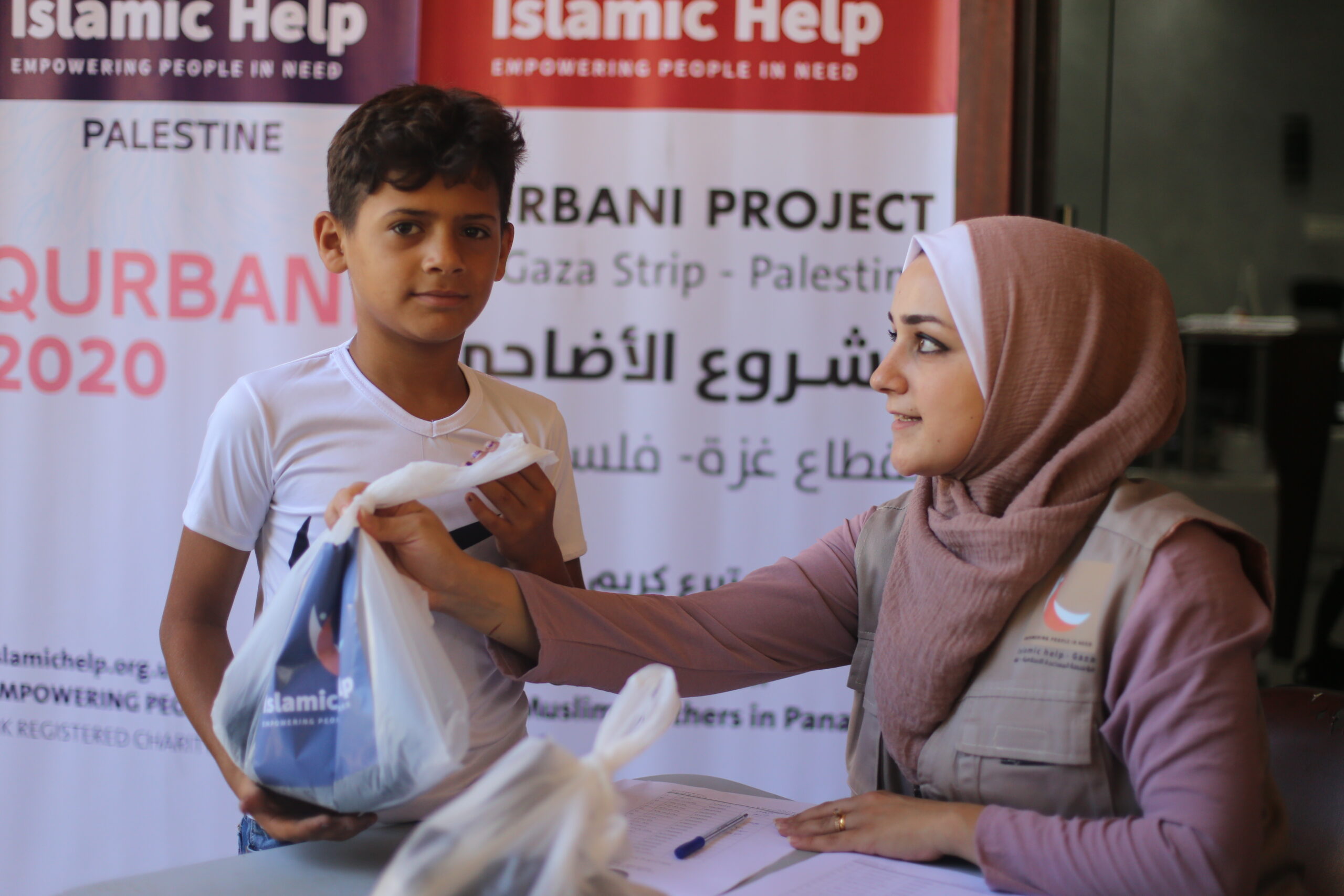
Sadaqah qurbani supports people facing hardship across the world, including local community needs and regions such as the Middle East. Support is given quietly and respectfully. Families receive help without pressure or publicity. This protects dignity and reflects Islamic values.

Many recipients are among the poor and needy. Respectful delivery helps preserve their honour. It also helps donors feel confident that their charity was given in the right spirit.

This is also where raising awareness matters. Donors often want to understand the need better, not just give once and forget. Learning about hardship can shape better habits of giving.

Muslim charity and giving with consistency

Many Muslims build a routine of giving. They give when they can. They give quietly. They give with humility. This is the heart of muslim charity.

Sadaqah qurbani is one way to give in a tangible form. It connects intention to real nourishment. It can also sit alongside other charitable choices, based on each donor’s circumstances.

Leadership and responsibility

Strong charities rely on strong governance. Oversight from roles such as a chief executive officer supports ethical systems and clearer accountability.

Good leadership helps ensure:

  • Standards are maintained
  • Communication is consistent
  • Donor trust is protected

This supports long-term confidence, especially for donors who give regularly.

Giving with confidence and peace of mind

When a charity is transparent, accountable, and ethical, donors can give with confidence. They know their worship has meaning and their charity reaches those who need it.

To donate sadaqah qurbani with confidence, choose a charity that:

  • Follows Islamic rules
  • Communicates clearly
  • Provides confirmation and updates
  • Protects dignity in delivery

This is what builds real trust and lasting peace of mind. To give sadaqah qurbani today, visit:

https://islamic.rts-developers.com/give-sadaqah-qurbani

FAQs:

  • Can I trust that my Sadaqah Qurbani donation is delivered correctly?
    Yes, you can trust that your Sadaqah Qurbani is delivered correctly when given through Islamic Help. The charity follows Islamic guidelines, works through local field teams, and provides donors with confirmation and feedback. This transparency ensures your charity reaches families in need responsibly.
  • How does Islamic Help provide peace of mind to donors?
    Islamic Help provides peace of mind by offering clear communication, ethical delivery, and transparent feedback. Donors are informed when their Sadaqah Qurbani is completed and receive confirmation of distribution. This reassurance helps donors give calmly, knowing their charity was handled with care.
  • Will I receive confirmation after giving Sadaqah Qurbani?
    Yes, donors receive confirmation after giving Sadaqah Qurbani through Islamic Help. This includes feedback showing that the sacrifice has taken place and where the meat was distributed. Receiving confirmation helps donors feel connected to the impact of their charity and reassured about delivery.
  • Does Islamic Help show evidence of Sadaqah Qurbani delivery?
    Islamic Help provides evidence of Sadaqah Qurbani delivery through documentation and video feedback. This evidence shows that the sacrifice was carried out correctly and distributed to families in need. Transparency like this helps build trust and confidence in the charitable process.
  • Why is transparency important when giving Sadaqah Qurbani?
    Transparency is important because it reassures donors that their intention has been honoured and their charity delivered responsibly. Clear feedback reduces uncertainty and allows donors to give with confidence. Transparency strengthens trust and ensures charitable giving remains a source of peace rather than concern.
  • How does Islamic Help honour donor intention during Sadaqah Qurbani?
    Islamic Help honours donor intention by reading aloud the donor’s name before the sacrifice takes place. This follows Islamic practice and ensures the charity is offered sincerely on the donor’s behalf. Honouring intention in this way provides reassurance and strengthens trust in the process.
  • How does Islamic Help ensure accountability in Sadaqah Qurbani delivery?
    Islamic Help ensures accountability through local field oversight, ethical standards, and post-delivery feedback. Each stage of the process is monitored to ensure compliance with Islamic guidelines. This accountability allows donors to feel confident that their Sadaqah Qurbani was delivered responsibly.
  • Why should I choose Islamic Help for Sadaqah Qurbani?
    Islamic Help is a trusted Islamic charity with experience in ethical humanitarian delivery. The organisation prioritises transparency, dignity, and compliance with Islamic principles. Through clear communication and confirmation, Islamic Help allows donors to give Sadaqah Qurbani with confidence and peace of mind.

updates that matter

Empower my Inbox

How Sadaqah Qurbani Works in Practice

How Sadaqah Qurbani Works in Practice
Latest News

Who Benefits From Sadaqah Qurbani?

Understand how Sadaqah Qurbani works in practice, from donation to distribution, ensuring transparency, ethical handling, and confidence your charity reaches those in need.

Many donors want to give to charity, but also want clarity. They want to know how their donation is used and what actually happens next. This is especially true for sadaqah qurbani, where the donation involves sacrifice, food, and responsibility.

This guide explains how sadaqah qurbani works in practice, from the moment you donate to the moment food reaches people in need. It focuses on transparency, ethics, and Islamic guidance, so donors can give with confidence.

بِسْمِ ٱللَّهِ ٱلرَّحْمَٰنِ ٱلرَّحِيمِ

“The example of those who spend their wealth in the way of Allah is like a seed that sprouts into seven ears, each bearing one hundred grains.”

What Is Sadaqah Qurbani?

Sadaqah Qurbani is a form of voluntary qurbani. It is a charitable sacrifice in Islam given freely, outside the fixed days of Eid. It allows Muslims to respond to hunger and hardship at any time of year.

Unlike Eid Qurbani, which takes place during the days of Eid al-Adha in the month of Dhul Hijjah, Sadaqah Qurbani can be given whenever there is a need. It is one of the recognised acts of worship that connects faith with action.

Giving Sadaqah Qurbani Online

Many donors choose to give sadaqah qurbani online. Online giving makes the process simple, especially for UK-based donors supporting communities overseas.

When you donate sadaqah qurbani, the charity takes responsibility for the entire process. This includes:

  • Sourcing the animal
  • Carrying out the sacrifice
  • Managing meat distribution

This approach allows donors to fulfil worship without needing to manage logistics themselves.

Choosing the Animal for Sadaqah Qurbani

Sadaqah Qurbani usually involves a small animal, most commonly a goat. This is why you will often see options such as goat qurbani donation or goat sadaqah.

In Islamic practice:

  • Goats are an accepted type of animal
  • They are considered suitable for charitable distribution
  • They allow fair portioning across households

While Eid Qurbani may involve a larger animal such as cattle, Sadaqah Qurbani focuses on practical delivery. This makes animal sacrifice manageable and ethical.

Ethical and Humane Sacrifice

Ethics are central to this process. A valid sacrifice must be carried out in accordance with Islamic guidelines.

This includes:

  • Humane handling of the animal
  • A swift, respectful, humane animal sacrifice
  • Clear intention before the act

This ensures the sacrifice is an ethical qurbani and aligns with Islamic principles. Causing unnecessary harm is not permitted. Mercy is essential.

How the Sacrifice Is Performed

Once the animal is prepared, trained teams perform the sacrifice in accordance with Islamic rules. This is an intentional act of sacrifice, carried out with care and responsibility.

The sacrifice is not rushed or careless. It is done calmly, ensuring:

  • The animal is treated well
  • The process is efficient
  • The act remains valid Islamically

This applies whether the sacrifice happens during Eid or at another time of year.

Meat Distribution Charity in Practice

After the sacrifice, the focus moves to meat distribution charity. This is where Sadaqah Qurbani has its most visible impact.

The meat is prepared and shared with:

  • Help families in need
  • Vulnerable communities
  • Households facing food insecurity

This is a form of food charity in Islam that provides protein-rich meals to people who may rarely have access to meat.

Fair and Responsible Distribution

Distribution is planned carefully. The goal is fairness, dignity, and impact.

This includes:

  • Identifying the poor and needy
  • Avoiding waste
  • Sharing portions fairly

This approach ensures meat distribution reaches those who need it most, without embarrassment or exclusion.

Sadaqah Qurbani Delivery and Timing

Because Sadaqah Qurbani is voluntary, it can be delivered year-round. Some charities aim to deliver sadaqah qurbani within a short time after the donation.

In many cases, sacrifices are completed quickly, sometimes within 48 hours, depending on location and need. This allows food to reach families promptly.

The Role of a Trusted Islamic Charity

Choosing a trusted Islamic charity is essential. Donors want confidence that their worship is handled correctly.

Islamic Help delivers Sadaqah Qurbani through structured programmes focused on ethics and transparency. As an Islamic charity UK, it ensures:

  • Ethical sacrifice
  • Fair distribution
  • Clear accountability

This approach supports Islamic charitable giving and donor trust.

Who Benefits from Sadaqah Qurbani?

The people who benefit most include:

  • Families struggling with rising costs
  • Communities facing food insecurity charity needs
  • Households affected by crisis or displacement

Through food charity Islam, Sadaqah Qurbani provides nourishment and dignity.

Why Donors Choose Sadaqah Qurbani

Many donors choose Sadaqah Qurbani because it is:

  • Simple to give
  • Easy to understand
  • Highly recommended for an ongoing charity

It allows Muslims to give beyond obligatory acts. While it is not eligible to pay zakat, it complements other forms of giving.

A Clear and Meaningful Way to Give

Sadaqah Qurbani turns intention into action. It combines worship with practical help, ensuring food reaches people who need it.

Whether given during the days of Eid, outside the Eid period, or in response to a crisis, it remains a powerful form of charity. To give or learn more, donors can donate their qurbani here:

https://islamic.rts-developers.com/give-sadaqah-qurbani

FAQs:

  • How does Sadaqah Qurbani work?
    Sadaqah Qurbani works by donating the cost of a goat as voluntary charity. The sacrifice is carried out according to Islamic guidelines, and the meat is distributed to families in need. Donors do not need to be present, as the entire process is managed responsibly on their behalf.
  • Can I give Sadaqah Qurbani online?
    Yes, Sadaqah Qurbani can be given online through a trusted Islamic charity. Donors make their contribution digitally, and the charity manages the sacrifice and distribution. This allows UK donors to give easily while ensuring the charity is delivered correctly and reaches people facing hardship.
  • Is Sadaqah Qurbani different from Eid Qurbani?
    Yes, Sadaqah Qurbani is different from Eid Qurbani. Eid Qurbani is performed during specific days and follows defined rules, while Sadaqah Qurbani is a voluntary charitable sacrifice. It can be offered at any time of year in response to ongoing need or hardship.
  • Who receives the meat from Sadaqah Qurbani?
    The meat from Sadaqah Qurbani is distributed to families experiencing poverty, displacement, or food insecurity. This includes widows, orphans, and households affected by crisis. Distribution focuses on those who rarely have access to nutritious food, while preserving dignity and fairness throughout the process.
  • Is Sadaqah Qurbani obligatory in Islam?
    No, Sadaqah Qurbani is not obligatory in Islam. It is a voluntary act of charity offered out of compassion and gratitude. While it carries spiritual reward, it is different from obligatory forms of giving and is chosen freely by donors who wish to help others.
  • How does Islamic Help ensure Sadaqah Qurbani is completed within 48 hours?
    Islamic Help operates local field offices that conduct goat sacrifices daily. Once a donation is made, the sacrifice is scheduled promptly and, where possible, completed within 48 hours. Donors receive confirmation and video feedback showing the sacrifice and distribution carried out on their behalf.
  • How does Islamic Help honour donor intention during the sacrifice?
    Islamic Help ensures donor intention is honoured by reading aloud the name the Sadaqah Qurbani is given on behalf of before the sacrifice takes place. This follows Islamic practice and reassures donors that their charity is carried out sincerely, respectfully, and in line with their intention.
  • Why should I trust Islamic Help to manage my Sadaqah Qurbani?
    Islamic Help is an established Islamic charity that delivers hands-on support through local teams. The organisation follows ethical and Shariah-compliant practices and provides donors with confirmation and video evidence. This transparency allows donors to give with confidence and peace of mind.

updates that matter

Empower my Inbox

Who Benefits From Sadaqah Qurbani?

Who Benefits From Sadaqah Qurbani?
Latest News

Who Benefits From Sadaqah Qurbani?

Learn who benefits from Sadaqah Qurbani, focusing on poor, vulnerable families affected by crisis, and how donations provide dignified food support to those most in need.

When you give sadaqah qurbani, you want to know it reaches the right people. You want it to help, not just “exist” as a donation. This guide answers one question clearly: who benefits from sadaqah qurbani?

The short answer is simple. The people who benefit are those who are hungry, struggling, or forgotten. They are the poor and needy. They are families trying to cope with rising costs. They are people pushed into crisis by conflict, disaster, or displacement.

This is why the impact of sadaqah qurbani is so direct. It becomes a form of meat distribution charity and humanitarian food support, delivered in a way that protects dignity in charity.

بِسْمِ ٱللَّهِ ٱلرَّحْمَٰنِ ٱلرَّحِيمِ

“The example of those who spend their wealth in the way of Allah is like a seed that sprouts into seven ears, each bearing one hundred grains.”

The main Sadaqah Qurbani beneficiaries

The core beneficiaries of sadaqah qurbani are people facing real hardship. Often, they fall into a few clear groups:

  • Families in need who cannot afford basic food
  • Vulnerable families dealing with long-term hardship
  • Widows and orphans with limited income and protection
  • Displaced people living away from home
  • Communities dealing with food insecurity and poor access to markets

In many places, meat is rare. Some families may only eat meat a few times a year. So when meat arrives, it is not a small thing. It is nutritious food that supports strength, health, and dignity.

Families in need and living in poverty

Many households supported by sadaqah qurbani are living in poverty. Parents make hard choices daily. Food often comes first. Then rent. Then medicine. Something is always missing.

For these families in need, meat can feel impossible. Protein is expensive. Local prices rise fast. Wages do not.

Sadaqah qurbani helps help families in need in a practical way. It supports them with food, not theory. It gives families a chance to cook and eat together. It can also reduce pressure in the home. When food is covered, even briefly, families can focus on other needs, such as school, travel, or health.

Widows and orphans

Widows and orphans are often among the most at risk. A widow may have no stable income. An orphan may rely on relatives who are already struggling.

Sadaqah qurbani supports widowed households by:

  • Providing food without cost
  • Helping children eat better
  • Reducing stress and worry
  • Offering care without judgement

This is one reason donors choose a charitable sacrifice in Islam. It is worship with real impact. It reaches people who are easy to overlook.

Displaced people and emergency food aid

Conflict and disasters can remove everything overnight. Homes are lost. Jobs are lost. Communities break apart. That is why displaced people often depend on emergency food aid.

In these moments, humanitarian relief islam is not a slogan. It is survival.

Sadaqah qurbani supports displaced families by:

  • Providing meat when markets are closed or unsafe
  • Supporting people in camps or temporary housing
  • Helping families regain strength and routine

A single hot meal can lift spirits. It can help children sleep. It can help parents feel they can carry on.

Vulnerable communities and food security

Some areas face hardship for years. Drought. Inflation. Unemployment. Weak services. These pressures damage food security. That is why vulnerable communities are a key focus. Many people live where support is limited. Where roads are poor. Where the food supply is unpredictable.

Sadaqah qurbani works well here because it is simple. It provides food that people can use immediately. It supports resilience without creating shame. This also reflects shared responsibility. In Islam, you do not ignore suffering because it is far away. You respond in the best way you can.

Why meat matters more than food parcels alone

Food parcels help. They keep cupboards filled. They reduce daily panic. But meat adds something many diets lack.

Meat provides:

  • Protein for strength
  • Iron for energy
  • Nutrients for children and older people

It also provides dignity. When families receive meat, they can cook real meals. They can host relatives. They can eat together without feeling “less than”. This is why meat distribution matters in Islamic giving.

Goat Qurbani and fair distribution

Sadaqah qurbani is often delivered through a sadaqah goat sacrifice. Many donors choose a goat qurbani donation because it can be shared across households.

This supports fair distribution of charity because:

  • A goat can be portioned across several families
  • Distribution can be planned and organised
  • Waste can be reduced
  • More people can benefit

This is also why it supports practical meat distribution to the poor.

When charities are performing qurbani, the goal is not only to complete an action. The goal is to deliver benefit with care.

Ethical charity and dignity in charity

Good charity must be ethical. Ethical charity Islam means more than “good intentions”. It means the right people receive support in the right way.

That includes:

  • Respectful delivery
  • Clear targeting of need
  • Fair access
  • No humiliation in the process

This is how dignity in charity is protected. People should not feel exposed while receiving support. They should feel honoured.

Local communities and targeted support

Strong delivery often depends on local communities. Local knowledge helps charities identify need quickly. It also helps avoid duplication and waste.

Local teams can spot:

  • Families with no stable income
  • Households led by widows
  • Orphans with limited support
  • Displaced families under pressure

This approach often moves faster than huge systems. Large bodies like the United Nations do important work, but community delivery can be quicker in specific areas. It can also be more personal.

The role of Islamic charity in the UK

UK donors often search for a trustworthy Islamic charity in the UK that can deliver properly and ethically. Islamic Help delivers sadaqah qurbani with a focus on dignity, fairness, and impact. It is a form of muslim charity that aims to reach those who need help most.

This gives donors confidence that their donations are not wasted. It becomes real support, delivered with care.

Giving for Allah SWT and willingness to sacrifice

Sadaqah qurbani is also spiritual. It is one of the acts of worship done for Allah swt. It shows willingness to sacrifice what we have so others can live with dignity. A qurbani donation is not just “food”. It is worship that becomes relief.

Across the year, these donations can reach thousands of people. Over time, across many regions, they can support a million people through continued giving and consistent programmes.

Summary: who benefits and why it matters

So, who benefits from sadaqah qurbani?

  • Families who cannot afford meat
  • People facing food insecurity
  • Households led by widows
  • Orphans with little protection
  • Displaced people in crisis
  • Communities under long-term strain

This is why many donors choose it to support vulnerable families. It is clear, direct, and meaningful.

To give sadaqah qurbani, visit:

https://islamic.rts-developers.com/give-sadaqah-qurbani

FAQs:

  • Who receives Sadaqah Qurbani meat?
    Sadaqah Qurbani meat is distributed to families experiencing poverty, displacement, or food insecurity. This includes widows, orphans, and households affected by crisis. Distribution focuses on people who rarely have access to nutritious food, while preserving dignity, fairness, and respect throughout the entire delivery process.
  • How does Sadaqah Qurbani help vulnerable communities?
    Sadaqah Qurbani helps vulnerable communities by providing protein-rich food through charitable sacrifice. Meat distribution supports families who struggle to meet basic needs, improves nutrition, and reduces financial pressure. This form of charity offers both physical nourishment and emotional reassurance during periods of hardship.
  • Why is meat distributed through Sadaqah Qurbani?
    Meat is distributed through Sadaqah Qurbani because it provides essential nutrients that many families cannot afford regularly. Protein and iron support health, strength, and recovery, especially for children and older people. Sharing meat also allows families to prepare proper meals with dignity.
  • Can Sadaqah Qurbani support emergency relief?
    Yes, Sadaqah Qurbani can support emergency relief when food systems are disrupted by conflict, displacement, or natural disasters. Charitable sacrifice provides immediate nourishment to families facing crisis. Because it can be given at any time, donors can respond quickly when urgent needs arise.
  • Does Sadaqah Qurbani support long-term poverty?
    Sadaqah Qurbani supports families facing long-term poverty by easing food insecurity and reducing pressure on household budgets. While it provides immediate nourishment, it also helps families redirect limited resources toward essentials such as rent, healthcare, education, and transport during difficult periods.
  • How does Islamic Help ensure fair distribution of Sadaqah Qurbani?
    Islamic Help ensures fair distribution through local assessments and community-based targeting. Field teams identify households most in need and organise respectful distribution methods. This approach helps avoid exclusion, protects dignity, and ensures food reaches families who genuinely require support.
  • How does Islamic Help provide transparency to donors?
    Islamic Help provides transparency by offering confirmation and feedback after Sadaqah Qurbani is completed. Donors receive information about where their donation was delivered, helping them understand the impact of their charity and giving reassurance that support reached people in need.
  • Why should I trust Islamic Help to deliver Sadaqah Qurbani impact?
    Islamic Help is an established Islamic charity with field-based delivery and ethical standards. The organisation works closely with local partners, adheres to Islamic principles, and prioritises dignity and accountability. This allows donors to give with confidence that their charity creates real and meaningful impact.

updates that matter

Empower my Inbox

Ethical Sadaqah Qurbani in Islam

Ethical Sadaqah Qurbani in Islam
Latest News

Ethical Sadaqah Qurbani in Islam

Learn how ethical Sadaqah Qurbani ensures humane sacrifice, Islamic compliance, and dignified food distribution, giving donors confidence their charity is delivered with care and respect.

Ethics are central to Islamic giving. When charity involves sacrifice, donors want to feel sure it is done with mercy, care, and respect. That is what ethical Sadaqah Qurbani is about.

This guide explains how animal welfare in Islam works, what makes a sacrifice humane, and what Islamic compliance Qurbani looks like in practice. It also explains why dignity matters for the people receiving food, and how a trusted charity can deliver this correctly.

بِسْمِ ٱللَّهِ ٱلرَّحْمَٰنِ ٱلرَّحِيمِ

“The example of those who spend their wealth in the way of Allah is like a seed that sprouts into seven ears, each bearing one hundred grains.”

Why ethical practice matters

Sadaqah Qurbani is not just a donation. It is an act of sacrifice done for the sake of Allah. Like all acts of worship, it needs the right intention and the right method.

Ethical practice matters because it protects three things:

  • The sincerity of the worship (the act is done properly)
  • The well-being of the animal (no cruelty, no neglect)
  • The dignity in charity (people receive help respectfully)

This is why Muslims care about both “what happens” and “how it happens”.

Sadaqah Qurbani is a charitable sacrifice in Islam

A charitable sacrifice in Islam is a sacrifice made to benefit others. It is given voluntarily, as part of the wider acts of charity encouraged in Islam.

It is also different from Qurbani, linked to Eid al-Adha. Eid Qurbani happens during the days of Eid al-Adha in the days of Dhul Hijjah. Sadaqah Qurbani can be offered at other times as well, so people can be helped when the need is high.

Many adult Muslims choose it because it turns intention into direct support. In many places, families rarely eat meat. When they do, it can improve nutrition and bring relief.

Animal welfare in Islam: the basic rule

Islam teaches kindness to animals. Animal welfare Islam is not a modern add-on. It is part of both faith and Islamic law.

A sacrificial animal must be treated well. That includes before, during, and after the sacrifice.

Key expectations of animal welfare in Islam include:

  • The sacrificial animal must be healthy
  • It must be fed, watered and cared for properly
  • It must not be frightened or mistreated
  • It must not be harmed for no reason

These are not “nice to have” standards. They are part of religious responsibility.

What makes a humane sacrifice in Islam

A valid sacrifice must be humane. Humane animal sacrifice reduces distress and prevents cruelty. This is what people often mean when they ask about a humane sacrifice Islam approach.

A humane sacrifice includes:

  • Calm handling of the animal
  • A swift, skilled method to perform the sacrifice
  • Clear intention before the act begins
  • No causing pain beyond what is unavoidable

This is the foundation of Islamic animal sacrifice done correctly. It also applies to qurbani animals used for charitable giving.

Islamic guidelines for sacrifice and Shariah compliance

Many donors ask what “compliant” means. In simple terms, Islamic guidelines for sacrifice set the rules that make the sacrifice valid.

A Shariah-compliant Qurbani should include:

  • A suitable animal (one of the accepted qurbani animals)
  • Proper handling and humane treatment
  • A correct method of slaughter according to Islamic rules
  • A clear intention to offer a sacrifice for charity

When these standards are followed, the sacrifice meets Islamic compliance Qurbani expectations and aligns with Islamic guidelines.

This is not about being technical. It is about keeping worship clean, merciful, and correct.

Meat distribution ethics: what happens after the sacrifice

Ethics do not stop when the sacrifice ends. Meat distribution ethics matter just as much because people are receiving the outcome of worship.

Ethical distribution means:

  • Meat is distributed safely and quickly
  • Families receive suitable portions fairly
  • The process avoids humiliation or chaos
  • The focus stays on need, not visibility

For many households, donated meat products are rare. This is why care in distribution matters. Done well, it supports nutrition and preserves dignity.

This is also where ethical meat distribution protects trust. If distribution is careless, donors lose confidence and communities feel disrespected.

Dignity in charity: a core Islamic value

Islamic giving must protect people’s dignity. It is not only “help”. It is a relationship of mercy and respect.

That means:

  • Avoiding language or systems that shame recipients
  • Distributing food in an orderly, respectful way
  • Prioritising the most vulnerable first
  • Treating recipients as honoured guests, not “cases”

This is a practical expression of Islamic teachings. It also keeps charity aligned with worship.

What a responsible Islamic charity should do

A responsible Islamic charity does more than “deliver a service”. It protects worship, welfare, and dignity.

A charity should be able to show:

  • Clear standards based on Islamic guidelines
  • Good animal welfare checks
  • Skilled teams that know how to perform the sacrifice correctly
  • Strong safeguarding for fair distribution
  • A commitment to Islamic charity transparency

These are also the signs of a charity you can trust.

Islamic Help and ethical delivery in the UK

For UK donors, trust matters. People want to know their worship has been honoured and their charity has a real impact.

Islamic Help is an Islamic charity in the UK that delivers Sadaqah Qurbani with clear ethical standards. Many donors search for Islamic Help Sadaqah Qurbani because they want both impact and reassurance.

As an ethical Islamic charity, Islamic Help focuses on:

  • Humane treatment of the animal
  • Delivery aligned with Islamic rules
  • Fair distribution with dignity
  • Clear accountability and feedback

This supports the trust in Islamic charity expectations and strengthens donor confidence.

Ethical charitable giving in Islam: a faith you can feel confident in

Ethics are not separate from worship. They are part of worship. When the sacrifice is humane, compliant, and distributed fairly, it becomes a clean form of worship and a real benefit for others.

This is the heart of ethical charitable giving, Islam and the wider idea of sadaqah qurbani ethics:

  • Worship is done correctly
  • Animals are treated with mercy
  • People receive food with dignity
  • Donors can give with peace of mind

During Eid al-Adha, sacrifice is connected to a major tradition and often discussed alongside the pillar of Islam. Outside that period, voluntary charitable sacrifice still carries meaning when it follows the same core values: mercy, sincerity, and responsibility.

To donate, donors can visit:

https://islamic.rts-developers.com/give-sadaqah-qurbani

FAQs:

  • Why is ethical practice important in Sadaqah Qurbani?
    Ethical practice ensures Sadaqah Qurbani reflects Islamic values of mercy and responsibility. It protects animal welfare, preserves donor intention, and ensures fair distribution. When carried out ethically, charitable sacrifice remains a valid act of worship while providing meaningful support to people in need with dignity.
  • How does Islam guide animal welfare during sacrifice?
    Islam teaches kindness toward animals and forbids unnecessary harm. Animals must be healthy, treated calmly, and sacrificed humanely. These guidelines ensure respect for life and help maintain the spiritual validity of the sacrifice while reflecting Islamic teachings on mercy and accountability.
  • What makes a sacrifice humane in Islam?
    A humane sacrifice in Islam minimises discomfort and avoids cruelty. It involves handling the animal gently, using approved methods, and completing the sacrifice efficiently. This approach reflects Islamic principles of mercy and responsibility, ensuring the act of sacrifice remains dignified and ethically sound.
  • Does ethical Sadaqah Qurbani affect the reward?
    Yes, ethical practice supports sincerity and strengthens the reward of Sadaqah Qurbani. When the sacrifice follows Islamic guidance, protects animal welfare, and reaches people in need respectfully, it reflects the spirit of worship and compassion that Islam encourages in charitable giving.
  • Is animal welfare monitored throughout the Sadaqah Qurbani process?
    Animal welfare is monitored throughout the Sadaqah Qurbani process. This includes sourcing healthy animals, ensuring proper care, humane handling during sacrifice, and respectful treatment afterwards. Continuous oversight helps maintain ethical standards and ensures Islamic guidelines are followed from start to finish.
  • How does Islamic Help ensure ethical standards are followed?
    Islamic Help ensures ethical standards by working through trained local teams that closely follow Islamic guidelines. Field offices oversee animal care, sacrifice methods, and distribution practices. This hands-on supervision helps maintain Shariah compliance, transparency, and accountability throughout the Sadaqah Qurbani process.
  • How does Islamic Help provide transparency around ethical delivery?
    Islamic Help provides transparency by offering donors confirmation and feedback after the sacrifice is completed. This documentation reassures donors that ethical and Islamic standards were upheld, while helping them feel confident that their Sadaqah Qurbani was delivered responsibly and with care.
  • Why should I trust Islamic Help for ethical Sadaqah Qurbani?
    Islamic Help is a trusted Islamic charity with extensive humanitarian experience. The organisation follows strict ethical and Shariah-compliant practices, works through local teams, and prioritises dignity and accountability. This allows donors to give confidently, knowing their charity is handled responsibly.

updates that matter

Empower my Inbox

What Is Sadaqah Qurbani? A Complete Guide

What Is Sadaqah Qurbani? A Complete Guide
Latest News

What Is Sadaqah Qurbani? A Complete Guide

Learn what Sadaqah Qurbani is, its meaning in Islam, and how it provides ethical, dignified food support to vulnerable families through charitable sacrifice.

Sadaqah Qurbani is a voluntary charitable sacrifice that allows Muslims to support people facing hardship by donating food. It is rooted in the Islamic tradition of sacrifice, generosity, and care for others, and it enables giving beyond specific dates or seasons. Through this form of sadaqah sacrifice, donors help ensure that families living in poverty receive nourishment with dignity.

In Islam, sacrifice has always been closely connected to acts of worship and good deeds. Since the time of the Messenger of Allah, charitable giving has been a means of supporting the poor and needy and strengthening social bonds. Sadaqah Qurbani sits within this tradition as a practical expression of compassion, turning belief into action.

At Islamic Help, Sadaqah Qurbani is delivered through the sacrifice of a goat. This goat sadaqah model ensures meat distribution is carried out efficiently and ethically, reaching families who need it most.

بِسْمِ ٱللَّهِ ٱلرَّحْمَٰنِ ٱلرَّحِيمِ

“The example of those who spend their wealth in the way of Allah is like a seed that sprouts into seven ears, each bearing one hundred grains.”

Sacrifice in Islam and Its Deeper Meaning

The act of sacrifice in Islam carries profound meaning. It reflects obedience, gratitude, and willingness to give for the sake of Allah. The story of Prophet Ibrahim is central to this understanding. His readiness to sacrifice is remembered as an act of faith and submission, and it continues to shape how Muslims view sacrifice today.

While many people associate sacrifice primarily with the days of Eid al-Adha, Islamic giving is not limited to those moments. Performing Qurbani outside Eid allows Muslims to extend the spirit of sacrifice throughout the year. Sadaqah Qurbani provides a way to act on compassion whenever the need arises, rather than waiting for specific days of Eid.

This form of charitable sacrifice is not obligatory. It is voluntary Qurbani, given out of sincerity and concern for others, rather than as a requirement. That willingness is what gives it its value.

Sadaqah, Charity, and Responsibility Toward Others

Sadaqah in Islam plays a vital role in supporting social well-being. Alongside paying zakat, voluntary charity allows Muslims to respond to hardship with flexibility and care. While zakat has set rules, sadaqah encourages generosity in many forms, including sadaqah animal sacrifice.

For families living in poverty, access to nutritious food is often limited. Rising costs, unstable income, and crisis situations mean that many households struggle to provide balanced meals. Food charity becomes especially important in these contexts. Through goat qurbani donation, families receive fresh meat that supports health and strength.

This charitable support is not just about nutrition. It is about dignity. Being able to prepare meals at home helps families feel supported rather than dependent, especially in communities where living in poverty has become a long-term reality.

Why Goat Sadaqah Is Used by Islamic Help

At Islamic Help, the charitable sacrifice is specifically a goat. Goat qurbani is chosen because it suits local contexts and allows for fair, efficient distribution. In many regions, a goat is the most appropriate animal for sadaqah sacrifice, ensuring that the meat reaches multiple households without waste.

Using a goat rather than a larger animal allows sacrifices to be carried out regularly. Field offices conduct goat sacrifices daily, enabling quick responses to needs. This is particularly important during emergencies, when families require immediate food support.

Each goat qurbani donation is carefully managed to ensure ethical practices and meaningful impact.

Ethical Qurbani and Humane Animal Treatment

Ethical Qurbani is a core principle of Islamic giving. Humane animal sacrifice is not optional; it is an essential part of Islamic practice. Animals are treated with care before, during, and after the sacrifice, in line with Islamic guidance.

Goats selected for Sadaqah Qurbani are healthy and handled calmly. The process of sacrificing an animal is carried out respectfully, minimising distress and ensuring the act remains dignified. This reflects the Islamic emphasis on mercy and responsibility in all acts of worship.

After the sacrifice, meat distribution is handled promptly and safely. This ensures families receive food in good condition and that the charitable act achieves its intended benefit.

Who Benefits From Sadaqah Qurbani

Sadaqah Qurbani is intended to support the poor and needy. Beneficiaries include families struggling with daily expenses, widows caring for children, orphans, and households affected by displacement or crisis.

In regions such as the Middle East and other areas facing instability, access to food can change rapidly. Conflict, economic pressure, or natural disaster can leave families without a reliable income. In these situations, charitable food support plays a critical role in survival and recovery.

Helping families in need through meat distribution allows households to meet immediate needs while preserving dignity and stability.

Performing Qurbani as an Act of Worship

Although Sadaqah Qurbani is voluntary, it remains an act of worship. The intention behind it transforms the act of sacrificing an animal into a form of devotion. Giving in this way allows Muslims to align charitable action with spiritual purpose.

Many donors view this as a highly recommended way to perform good deeds. It brings together generosity, humility, and responsibility, reinforcing the values that Islam encourages in daily life.

Qurbanis, on behalf of others, are also permitted. Donors may choose to offer a sacrifice in the name of a loved one, making it a meaningful gesture of remembrance or gratitude.

How Islamic Help Delivers Sadaqah Qurbani

Islamic Help is an Islamic charity based in the UK, working through local field offices to deliver aid efficiently and responsibly. As an Islamic charity UK donors trust, Islamic Help prioritises transparency and ethical delivery.

Once a donation is made, sacrifices are carried out within 48 hours wherever possible. Donors receive video confirmation documenting the process, along with information about where the meat has been distributed. This approach builds confidence and ensures accountability.

By managing every stage of the process, Islamic Help ensures that sadaqah qurbani 48-hour delivery is both practical and reliable.

Sadaqah Qurbani and Ongoing Charity

One of the strengths of this form of giving is its flexibility. Because it is not restricted to specific dates, donors can give whenever they feel able or whenever need becomes apparent. This allows charitable sacrifice to support communities consistently, rather than only during religious seasons.

Hardship does not follow a calendar. By offering sadaqah qurbani year-round, donors help sustain food support for families facing ongoing challenges.

A Reflection on Giving and Impact

Sadaqah Qurbani brings together intention, action, and impact. It allows Muslims to practise generosity in a practical, ethical, and deeply connected way to their faith.

By making charitable sacrifices, donors help ensure that families living in poverty receive nourishment, dignity, and reassurance. It is a reminder that small acts of kindness, when carried out sincerely, can create meaningful change.

FAQs:

  • What is sadaqah sacrifice?
    Sadaqah sacrifice is a voluntary charitable act where a goat is sacrificed for the sake of Allah, and the meat is distributed to people in need. It is not obligatory and can be given at any time of the year, providing food support to vulnerable families facing hardship or poverty.
  • What is sadaqah goat sacrifice?
    Sadaqah goat sacrifice involves donating a goat as a charitable act. The goat is sacrificed according to Islamic guidelines, and the meat is distributed to families who need food support. This form of sadaqah allows Muslims to give nourishment as charity outside fixed religious dates.
  • Is goat sadaqah allowed in Islam?
    Yes, giving sadaqah through the sacrifice of a goat is permitted in Islam. It is a voluntary form of charity intended to help people in need. As long as the sacrifice follows Islamic practice and the intention is sincere, it is considered valid and rewarded.
  • How does goat sadaqah work?
    Goat sadaqah works by donating the cost of a goat through an Islamic charity. The goat is sacrificed humanely in line with Islamic guidance, and the meat is distributed to vulnerable families. Donors do not receive the meat, as the purpose is charitable support.
  • How does Islamic Help ensure your Sadaqah Qurbani is done within 48 hours?
    Islamic Help has field offices that conduct goat sacrifices daily. Once a donation is made, the sacrifice is carried out within 48 hours. Donors receive video evidence of the process, along with confirmation of where the meat is distributed and on whose behalf it was given.
  • How is the animal treated before, during, and after the sacrifice?
    The goat is cared for according to strict Islamic practice before, during, and after the sacrifice. Animals are healthy, well-treated, and handled calmly. The sacrifice is performed humanely, and the meat is handled respectfully and distributed promptly to families in need.
  • Who receives the meat from a sadaqah goat?
    The meat from a sadaqah goat is distributed to families experiencing poverty, displacement, or food insecurity. This includes widows, orphans, and households affected by crisis. Distribution is planned carefully to ensure dignity, fairness, and that support reaches those most in need.
  • Why choose Islamic Help for sadaqah goat sacrifice?
    Islamic Help combines Islamic guidance with hands-on delivery through local field offices. Goat sacrifices are carried out quickly, ethically, and transparently. Donors receive confirmation and video evidence, giving confidence that their sadaqah reaches families in need with dignity and real impact.

updates that matter

Empower my Inbox

The Importance and Significance of Qurbani in Islam

The Importance and Significance of Qurbani in Islam
Latest News

The Importance and Significance of Qurbani in Islam

Explore the importance of Qurbani in Islam, how it reflects obedience and devotion, and why this act of worship holds deep spiritual and social significance.

Qurbani is one of the most profound acts of worship in Islam. Performed during Eid al-Adha, it represents obedience, gratitude, and a willingness to give for the sake of Allah. Understanding the importance of Qurbani in Islam goes beyond knowing how or when to perform it; it requires understanding why this act matters spiritually and socially.

Every year, Muslims around the world perform Qurbani as an act of devotion, reviving a prophetic legacy that combines faith, charity, and compassion.

بِسْمِ ٱللَّهِ ٱلرَّحْمَٰنِ ٱلرَّحِيمِ

“The example of those who spend their wealth in the way of Allah is like a seed that sprouts into seven ears, each bearing one hundred grains.”

The Significance of Qurbani in Islam

The significance of Qurbani is rooted in the story of Prophet Ibrahim (peace be upon him). When Allah commanded Ibrahim to sacrifice his son Ismail, Ibrahim demonstrated complete submission and trust. At the moment of sacrifice, Allah replaced Ismail with a ram, showing that what Allah seeks is sincerity, not bloodshed.

This moment defines Qurbani as an act of sacrifice based on obedience rather than ritual alone. When Muslims offer a sacrifice, they symbolically reaffirm that faith comes before personal attachment, wealth, or comfort.

Qurbani as an Act of Worship and Devotion

Qurbani is not merely symbolic; it is a living act of Qurbani that reflects obedience in action. Like prayer and fasting, performing Qurbani is a way of worshipping Allah through tangible sacrifice.

The Qur’an reminds believers that it is not the meat or blood that reaches Allah, but sincerity. Through this act of devotion, Muslims detach from materialism and strengthen their relationship with Allah, which is why many scholars say Qurbani brings you closer to Allah.

Why Qurbani Matters Beyond the Individual

While Qurbani is a personal act of worship, its impact extends far beyond the individual. Through Qurbani charity, meat is distributed to those who would otherwise go without, making Eid a collective celebration rather than a private one.

The benefits of Qurbani meat distribution are especially visible in regions where people live in poverty. In many communities, Eid al-Adha is the only time of year families receive fresh meat. This makes Qurbani a vital form of Muslim charity that directly supports dignity, nourishment, and well-being.

Feeding the Poor and Helping Needy Families

One of the clearest social purposes of Qurbani is feeding the poor during Eid. After the sacrifice, meat is shared with relatives, neighbours, and those in need. This tradition ensures that helping needy families is embedded in the act itself.

Through Qurbani, Muslims support households facing hardship, food insecurity, or displacement. In regions across Africa, Asia, and the Middle East, Qurbani plays a crucial role in providing protein-rich food to families who may struggle year-round.

Eid al Adha Charity and Global Impact

Qurbani is one of the largest annual charitable acts in the Muslim world. As an Eid al Adha charity, it mobilises millions of sacrifices across continents during the same sacred days.

Whether performed locally or through a charity, Qurbani connects believers globally through a shared purpose. This global coordination reinforces unity within the Ummah and ensures that aid reaches areas with the greatest need.

Who Must Give Qurbani and Why That Matters

Understanding who must give Qurbani helps frame its importance correctly. While Qurbani is obligatory or strongly emphasised only for eligible Muslims, its wider meaning benefits everyone.

Even those not required to give Qurbani benefit indirectly through its charitable reach. This reinforces the idea that Qurbani is not just about obligation, but about shared responsibility and care for others.

Prophetic Qurbani and Giving on Behalf of Others

The Prophet Muhammad ﷺ went beyond obligation by offering an extra sacrifice, known today as Prophetic Qurbani. This additional sacrifice was offered as a Qurbani on behalf of others, specifically for members of the Ummah who could not afford to give.

This practice shows how Qurbani can be both worship and charity. Giving on behalf of others extends the blessings of Eid and reflects leadership, mercy, and responsibility toward the community.

Donating Qurbani in the Modern World

Today, many Muslims choose to donate their Qurbani through trusted organisations. A Qurbani donation allows the sacrifice to be performed correctly while ensuring the meat reaches those who need it most. Those who wish to fulfil their Qurbani can do so through our Qurbani programme here.

For Muslims living far from areas of hardship, donating Qurbani ensures the act of sacrifice maintains its intended impact, supporting families who might otherwise miss out on Eid’s blessings.

The Timing and Sacred Days of Qurbani

Qurbani is performed during the days of Dhul Hijjah, specifically on the day of Eid al Adha and the days that follow. These days fall within the month of Dhul Hijjah, one of the most sacred periods in the Islamic calendar.

By performing the sacrifice during these days, Muslims align their worship with the rituals of Hajj and the legacy of Prophet Ibrahim, reinforcing the spiritual depth of the act.

A Lasting Act With Eternal Reward

Qurbani is more than a momentary ritual. As an act of worship, it leaves a lasting impact on both the giver and the recipient. It nurtures generosity, humility, and awareness of others’ needs.

Islam teaches that charitable deeds performed sincerely continue to benefit a person beyond this life. Through Qurbani, Muslims invest in their Hereafter while addressing real human needs in the present.

FAQs:

  • Why is Qurbani important in Islam?
    Qurbani is important because it represents obedience to Allah and follows the example of Prophet Ibrahim. It combines worship with charity, allowing Muslims to demonstrate faith through sacrifice while feeding the poor and supporting communities during Eid al-Adha.
  • How does Qurbani help people living in poverty?
    Qurbani helps people living in poverty by providing fresh meat during Eid al-Adha, often the only time of year they receive it. This improves nutrition, restores dignity, and allows vulnerable families to take part in the joy of Eid alongside the wider Muslim community.
  • Does Qurbani bring spiritual reward?
    Yes. Qurbani carries significant spiritual reward because it combines sacrifice, charity, and obedience. Islamic teachings state that sincere sacrifice brings reward for every part of the animal, and the act itself strengthens faith and draws the believer closer to Allah.
  • What role does charity play in Qurbani?
    Charity is central to Qurbani. After the sacrifice, meat is distributed to relatives and those in need. This ensures Qurbani functions as both worship and social support, making Eid a shared celebration and reinforcing responsibility toward others.
  • Can Qurbani be given on behalf of others?
    Yes. Qurbani may be given on behalf of others, including the poor or deceased relatives. This practice follows the example of the Prophet ﷺ, who offered an additional sacrifice for members of the Ummah unable to perform Qurbani themselves.
  • How does donating Qurbani increase its impact?
    Donating Qurbani through a charity allows the sacrifice to reach areas of greatest need. It ensures proper execution, ethical distribution, and maximum benefit for families facing hardship, especially in regions affected by poverty or conflict.
  • Why is Qurbani linked to Eid al-Adha?
    Qurbani is linked to Eid al-Adha because the festival commemorates Prophet Ibrahim’s willingness to sacrifice his son. Performing Qurbani during Eid connects Muslims to this legacy and aligns worship with one of the most sacred moments in the Islamic calendar.
  • Is Qurbani only about sacrificing an animal?
    No. While Qurbani involves sacrificing an animal, its true meaning lies in the intention and obedience behind it. The Qur’an teaches that sincerity is what reaches Allah, making Qurbani an act of faith, charity, and devotion rather than ritual alone.

updates that matter

Empower my Inbox

The Importance of Qurbani – Spiritual Benefits, Rewards, and Humanitarian Impact

The Importance of Qurbani – Spiritual Benefits, Rewards, and Humanitarian Impact
Latest News

The Importance of Qurbani – Spiritual Benefits, Rewards, and Humanitarian Impact

Explore Qurbani’s spiritual benefits, rewards, and humanitarian impact, showing how this act of worship expresses devotion, compassion, and lasting support for vulnerable communities.

Qurbani is one of the most profound acts of worship in Islam. Performed during Eid al-Adha, it is far more than a ritual sacrifice; it is an expression of devotion, gratitude, obedience, and compassion. Understanding the importance of Qurbani helps Muslims appreciate its lasting spiritual and social impact.

بِسْمِ ٱللَّهِ ٱلرَّحْمَٰنِ ٱلرَّحِيمِ

“The example of those who spend their wealth in the way of Allah is like a seed that sprouts into seven ears, each bearing one hundred grains.”

Why Qurbani matters in Islam

Qurbani commemorates the ultimate act of submission demonstrated by Prophet Ibrahim, who was willing to sacrifice what he loved most for Allah’s command. By performing Qurbani, Muslims reaffirm their commitment to prioritising faith over material attachments.

Allah reminds believers that it is not the meat or blood that reaches Him, but the sincerity and piety behind the act.

Spiritual rewards of Qurbani

The Prophet Muhammad (peace be upon him) described Qurbani as one of the most beloved deeds performed during Eid al-Adha. He taught that for every hair of the sacrificed animal, the believer receives a reward.

This immense reward reflects Allah’s generosity and the elevated status of Qurbani among acts of worship, particularly during the blessed days of Dhul Hijjah.

Qurbani and forgiveness

Many scholars explain that Qurbani, when performed sincerely, becomes a means of spiritual purification. Acts of sacrifice that involve wealth and intention are known to soften the heart, cleanse minor sins, and strengthen one’s relationship with Allah.

The moment of sacrifice is also considered an ideal time for supplication.

Personal growth through Qurbani

Qurbani instils essential values within believers:

  • Sacrifice: Letting go of wealth for Allah’s sake
  • Gratitude: Recognising personal blessings
  • Humility: Acknowledging dependence on Allah
  • Discipline: Following divine instructions precisely

These lessons extend beyond Eid and shape a believer’s character throughout the year.

Humanitarian impact of Qurbani

One of the most powerful aspects of Qurbani is its humanitarian reach. In many regions, Eid al-Adha is the only time families eat meat all year. Qurbani provides nourishment, dignity, and joy to millions.

Through charitable distribution, Qurbani addresses food insecurity, supports local economies, and strengthens community bonds across borders.

Qurbani as a complete act of worship

Qurbani combines multiple dimensions of faith:

  • Worship and remembrance
  • Charity and social justice
  • Ethical treatment of animals
  • Community celebration

Few acts of worship unite so many principles in a single deed.

Why Qurbani should not be neglected

When someone is able but neglects Qurbani, they miss an opportunity for immense reward and service to others. Islam emphasises that worship involving sacrifice carries lasting benefit in both this life and the Hereafter.

Qurbani is not a burden – it is a gift.

Conclusion

Qurbani is prescribed not because Allah needs sacrifice, but because believers need its spiritual refinement and humanitarian impact. Through Qurbani, Muslims grow closer to Allah while uplifting those in need. Those who wish to take part in this act of worship can do so through our Qurbani programme here.

By embracing this act with sincerity, gratitude, and generosity, Qurbani becomes a source of mercy for both the giver and the receiver.

FAQs:

  • What are the main rewards of giving Qurbani?
    Qurbani carries immense reward, including a reward for every hair of the sacrificed animal. It is among the most beloved deeds to Allah during Eid al-Adha and helps purify wealth, increase piety, and strengthen faith. Its rewards extend to both spiritual growth and social impact.
  • How does Qurbani benefit the wider community?
    Qurbani provides nutritious food to families who rarely eat meat, allowing them to celebrate Eid with dignity. It strengthens social bonds, supports local livelihoods, and ensures that vulnerable communities are included in the joy of Eid al-Adha through shared generosity.
  • Why is Qurbani considered so important in Islam?
    Qurbani symbolises obedience, sacrifice, and compassion. It commemorates a defining moment of faith in Islamic history while combining worship with charity. Its importance lies in both spiritual purification and tangible benefit to humanity, making it one of Islam’s most comprehensive acts of worship.

updates that matter

Empower my Inbox

What Is a Prophetic Qurbani and Why Give an Extra Sacrifice?

What Is a Prophetic Qurbani and Why Give an Extra Sacrifice?
Latest News

What Is a Prophetic Qurbani and Why Give an Extra Sacrifice?

Learn what Prophetic Qurbani is, why giving an extra sacrifice is encouraged, and how it reflects compassion, generosity, and care for the wider Ummah.

During Eid al-Adha, Muslims around the world perform Qurbani as a core act of worship. Alongside the required sacrifice, Islam also encourages generosity beyond obligation. One such practice is known as voluntary Qurbani, often referred to as Sunnah or Prophetic Qurbani, where an additional sacrifice is offered purely out of compassion for others.

This practice reflects giving Qurbani on behalf of others and, more broadly, on behalf of the Ummah, following the example of the Messenger of Allah ﷺ, who consistently prioritised the needs of his community.

بِسْمِ ٱللَّهِ ٱلرَّحْمَٰنِ ٱلرَّحِيمِ

“The example of those who spend their wealth in the way of Allah is like a seed that sprouts into seven ears, each bearing one hundred grains.”

What Is Qurbani on Behalf of the Ummah?

Qurbani on behalf of the Ummah refers to offering an extra Qurbani voluntarily, after fulfilling one’s own required sacrifice. The intention is that the reward and benefit of this offering go to those who are unable to perform Qurbani themselves.

Historical narrations describe how the Prophet Muhammad ﷺ offered a second sacrifice as a sacrifice from his Ummah, ensuring that the poorest members of the community were not excluded from the blessings of Eid al-Adha. This was an act of mercy, not obligation.

The Sunnah Behind Giving Voluntary Qurbani

Several narrations recorded by scholars such as Tabarani and Ahmad mention that the beloved Prophet ﷺ would offer two sacrifices during Eid. One was for himself and his household, while the second was offered on behalf of others.

This additional sacrifice later became known as Sunnah Qurbani. It is a voluntary Qurbani, not required by Islamic law, but strongly encouraged for those who are able. Through this act, Muslims follow a prophetic example of generosity and responsibility toward the wider community.

Is Voluntary Qurbani Mandatory?

No. Voluntary Qurbani is not mandatory. Islam does not obligate believers to give more than they can afford, and there is no sin in offering only the required Qurbani.

However, for those with surplus wealth after fulfilling their own obligation, offering an extra sacrifice is considered a greatly rewarding act. By doing so, a believer may double their rewards, earning a reward for the sacrifice itself and for helping others experience Eid with dignity.

Who Should Consider Giving Qurbani on Behalf of Others?

Giving Qurbani on behalf of others is most suitable for Muslims who:

  • Have already completed their required Qurbani
  • Possess surplus wealth
  • Wish to increase their charitable impact during Eid

It is especially encouraged for those eligible to pay Zakat and still financially comfortable. Offering Qurbani on behalf of the Ummah allows others to share in the joy and nourishment of Eid al-Adha.

When Is Voluntary Qurbani Performed?

Just like the required sacrifice, voluntary Qurbani must be performed during the prescribed days of Eid. This includes the day of Dhul Hijjah when Eid prayer takes place, and the days that follow.

Any extra sacrifice must be made on these same days for it to count as Qurbani. Performing it outside this timeframe turns it into a general charity rather than a Qurbani sacrifice.

Where Does the Meat From Extra Qurbani Go?

When Qurbani is offered on behalf of others, the meat is typically distributed entirely to poor and vulnerable families. The intention is not personal consumption but to enable others to benefit from the blessings of Eid.

In many regions, this extra sacrifice provides the only opportunity each year for families to receive fresh meat, allowing them to celebrate Eid al-Adha with dignity and nourishment.

Donating Your Qurbani Through Charity

Many Muslims choose to donate their Qurbani through a trusted charity. When you donate, the organisation acts as your agent, ensuring the sacrifice is carried out correctly and during the proper days. Those who wish to offer a voluntary Qurbani on behalf of others can do so through our Qurbani programme here.

By choosing to donate your Qurbani, you can fulfil a voluntary Qurbani on behalf of others while ensuring the meat reaches communities facing poverty, displacement, or food insecurity, all in accordance with Islamic guidelines.

The Spiritual Meaning of Giving Qurbani for the Ummah

Offering Qurbani for the Ummah nurtures empathy, humility, and shared responsibility. It transforms Eid from a personal celebration into a collective one, reminding Muslims that the Ummah is interconnected.

By reviving this practice, believers follow the example of the Prophet ﷺ, described in narrations as the Ummah’s one who bore the burdens of his people. Giving an extra sacrifice becomes a living expression of gratitude to Allah SWT and care for others.

FAQs:

  • What does voluntary Qurbani mean?
    Voluntary Qurbani refers to an additional sacrifice given beyond a person’s required Qurbani. It follows the example of the Prophet Muhammad ﷺ, who offered an extra sacrifice on behalf of members of the Ummah who could not afford their own Qurbani, making it an act of charity and compassion.
  • Is giving Qurbani on behalf of the Ummah compulsory?
    No. Giving Qurbani on behalf of the Ummah is not compulsory. It is a voluntary act inspired by the Sunnah of the Prophet ﷺ. Muslims are only required to fulfil their obligatory or strongly emphasised Qurbani, and any extra sacrifice should be offered only if it can be done without hardship.
  • When should voluntary Qurbani be performed?
    Voluntary Qurbani must be performed during the same days as the required Qurbani, starting after the Eid prayer on the day of Dhul Hijjah and continuing through the remaining days of Eid ul Adha. Outside this period, the sacrifice becomes general charity rather than Qurbani.
  • Where is the meat from Qurbani for the Ummah distributed?
    Meat from Qurbani for the Ummah is usually distributed entirely to poor and vulnerable families. The aim is to support those who cannot afford Qurbani, allowing them to receive fresh meat and share in the joy and nourishment of Eid al-Adha.
  • Can I donate my Qurbani on behalf of others?
    Yes. You can donate your Qurbani on behalf of others by appointing a charity as your agent. The organisation ensures the sacrifice is performed during the correct days and distributes the meat responsibly to those in need.
  • Does voluntary Qurbani replace my required Qurbani?
    No. Voluntary Qurbani does not replace your required Qurbani. If Qurbani is obligatory or strongly emphasised for you, it must be fulfilled first. Any additional sacrifice is optional and should only be offered after completing your own.
  • How does Islamic Help support Qurbani for the Ummah?
    Islamic Help supports Qurbani for the Ummah by sourcing eligible animals, performing the sacrifice during Eid al-Adha, and distributing the meat to vulnerable communities. Each donation is treated as a charitable offering, ensuring compliance with Islamic guidelines and maximising benefit for those in need.
  • What reward is associated with donating extra Qurbani?
    Donating extra Qurbani carries great reward because it combines sacrifice, charity, and following the Sunnah. By helping others experience Eid, the giver earns reward for the sacrifice itself and for feeding those in need, increasing the overall spiritual benefit of the act.

updates that matter

Empower my Inbox

How to Perform Qurbani Correctly in Islam

How to Perform Qurbani Correctly in Islam
Latest News

How to Perform Qurbani Correctly in Islam

Learn how to perform Qurbani correctly in Islam, understanding intention, rules, and guidance to ensure your sacrifice is valid, accepted, and spiritually meaningful.

Understanding how to perform Qurbani is essential to ensure this important act of worship is valid and accepted. Qurbani is not simply about sacrificing an animal; it is about intention, obedience, and following the guidance established by Allah and His Messenger. When carried out correctly, Qurbani becomes a deeply meaningful act that reaches Allah through sincerity.

Whether done personally or through a trusted organisation, carrying out Qurbani must follow clear Islamic principles so that the sacrifice fulfils both its spiritual and charitable purposes.

بِسْمِ ٱللَّهِ ٱلرَّحْمَٰنِ ٱلرَّحِيمِ

“The example of those who spend their wealth in the way of Allah is like a seed that sprouts into seven ears, each bearing one hundred grains.”

What Does Performing Qurbani Involve?

At its core, Qurbani involves offering a sacrifice from specific sacrificial animals during Eid al-Adha. Performing Qurbani correctly requires attention to timing, the type of animal used, intention, the method of slaughter, and the way the meat is distributed. Each of these elements played a major role in how Qurbani was practised by Prophet Muhammad and the early Muslim community.

Qurbani is an act of worship that combines devotion to Allah with care for others, ensuring that obedience and compassion go hand in hand.

When Must Qurbani Be Performed?

Qurbani is performed on the day of Eid and the following two days. Specifically, it must take place on the 10th, 11th, or 12th day of Dhul Hijjah, which falls within the month of Dhul Hijjah, the final month of the Islamic calendar.

The sacrifice becomes valid only after the Eid prayer on the first day. Any animal slaughtered before the Eid prayer does not count as Qurbani and is treated as ordinary charity. This timing is connected to the legacy of Prophet Ibrahim and how Eid al-Adha is celebrated across the Muslim world.

Which Animals Are Permitted for Qurbani?

Only specific sacrificial animals are permitted for Qurbani. These include sheep, goats, cattle, and camels. This category, sheep, goats, cattle and camels, is explicitly recognised in Islamic sources.

A sheep or goat is considered a small animal and counts as one Qurbani for one person. Larger animals, such as cattle and camels, may be shared by up to seven people, with each share counting as a complete Qurbani. Animals outside these categories are not valid for Qurbani.

Age and Health Requirements for a Qurbani Animal

For Qurbani to be valid, the Qurbani animal must meet minimum age and health requirements. Sheep and goats must be at least one year old, cattle must be at least two years old, and camels must be at least five years old.

The animal must also be healthy and free from serious defects. Prophet Muhammad forbade sacrificing animals that are blind, severely lame, clearly sick, or extremely weak. Offering a healthy animal reflects respect for the worship and ensures the sacrifice is acceptable.

The Correct Method of Slaughtering an Animal

The Qurbani method emphasises mercy and dignity. Prophet Muhammad taught that excellence should be shown even when you slaughter an animal.

The slaughter must be carried out using a sharp knife to minimise suffering. The knife should not be sharpened in front of the animal, and the name of Allah must be mentioned at the time of slaughter. The throat should be cut correctly to allow the blood to flow. Whether you slaughter an animal yourself or appoint someone else, these principles must be followed.

Intention (Niyyah) When Offering Qurbani

A clear intention is required when offering a sacrifice. The intention does not need to be spoken aloud, but it must be present in the heart.

If you are offering Qurbani on behalf of someone else, such as a family member or through Qurbani donations, the intention should clearly specify who the Qurbani is for. Intention is what transforms the physical act into an act of worship.

How Is Qurbani Meat Distributed?

After the sacrifice, the meat must be distributed responsibly. Islamic guidance encourages dividing the meat into three portions: one portion for the household, one for relatives or neighbours, and one for those in need.

This distribution ensures that Qurbani fulfils its charitable purpose. In many regions, fresh meat is distributed quickly so families can benefit during Eid itself, making Qurbani a source of nourishment and dignity.

Performing Qurbani Through Charity

Many Muslims choose to fulfil Qurbani through Qurbani donations, particularly when living in urban areas or outside Muslim-majority countries. When Qurbani is performed through a charity, the organisation acts as an agent on behalf of the donor. Those wishing to fulfil their Qurbani through a trusted process can do so through our Qurbani programme here.

The charity ensures the sacrifice is performed on the correct days, uses approved animals, and distributes meat to vulnerable communities. This approach is widely accepted and allows Qurbani to reach areas where need is greatest.

Who Is Eligible to Perform Qurbani?

Qurbani applies to Muslims who are of sound mind and possess sufficient wealth. In general, those eligible to pay Zakat are also eligible to perform Qurbani.

Children and those who cannot afford it are exempt. Islam does not impose hardship, and Qurbani is only required from those who can give without difficulty.

Sunnah Practices Associated With Qurbani

Some Muslims observe additional Sunnah practices when preparing for Qurbani, such as delaying cutting their nails and hair until after the sacrifice has been completed. This practice is recommended for those intending to offer Qurbani and serves as spiritual preparation rather than a requirement.

Common Mistakes to Avoid

To ensure Qurbani is valid, common mistakes to avoid include sacrificing before the Eid prayer, using underage or unhealthy animals, missing the 12th day of Dhul Hijjah, neglecting intention, or treating the animal harshly. Avoiding these errors helps ensure the sacrifice reaches Allah with sincerity.

FAQs:

  • How is Qurbani performed in Islam?
    Qurbani is performed by sacrificing a permitted livestock animal during the days of Eid al-Adha after the Eid prayer. The animal must meet age and health requirements, Allah’s name must be mentioned at slaughter, and the meat should be shared with family and those in need according to Islamic guidance.
  • What are the rules of Qurbani?
    Qurbani rules require the sacrifice to be performed within the prescribed days, using an eligible animal, with correct intention and humane slaughter. It must be done after the Eid prayer, the animal cannot be underage or defective, and a portion of the meat must reach those in need.
  • Which animals can be used for Qurbani?
    Only sheep, goats, cattle, and camels can be used for Qurbani. Sheep and goats count as one Qurbani each, while cattle and camels may be shared by up to seven people. The animal must meet Islamic age and health requirements for the sacrifice to be valid.
  • Can Qurbani be performed through a charity?
    Qurbani can be performed through a charity by appointing the organisation as your agent. The charity arranges the sacrifice during the correct Eid days, ensures Islamic compliance, and distributes fresh meat to vulnerable families. This approach is widely accepted and supports communities with the greatest need.
  • Which animals can be used for Qurbani?
    Only sheep, goats, cattle, and camels can be used for Qurbani. Sheep and goats count as one Qurbani each, while cattle and camels may be shared by up to seven people. The animal must meet Islamic age and health requirements for the sacrifice to be valid.
  • Can Qurbani be performed through a charity?
    Qurbani can be performed through a charity by appointing the organisation as your agent. The charity arranges the sacrifice during the correct Eid days, ensures Islamic compliance, and distributes fresh meat to vulnerable families. This approach is widely accepted and supports communities with the greatest need.
  • When must Qurbani be performed?
    Qurbani must be performed on the 10th, 11th, or 12th of Dhul Hijjah. It becomes valid only after the Eid prayer on the first day and ends at sunset on the final day. Any sacrifice outside this timeframe does not count as Qurbani in Islamic law.
  • How does Islamic Help perform Qurbani?
    Islamic Help performs Qurbani by purchasing eligible animals in advance, carrying out the sacrifice during the correct days of Eid al-Adha, and following strict Islamic guidelines. Experienced teams oversee slaughter, welfare, and distribution, ensuring each donor’s Qurbani is completed correctly and responsibly.

updates that matter

Empower my Inbox

Is Qurbani Mandatory in Islam and Who Must Give It?

Is Qurbani Mandatory in Islam and Who Must Give It?
Latest News

Is Qurbani Mandatory in Islam and Who Must Give It?

Learn whether Qurbani is mandatory in Islam, who must give it, and how eligibility depends on financial status and personal circumstances.

As Eid al-Adha approaches, many Muslims ask an important question: Is Qurbani mandatory in Islam, or is it a voluntary act of worship? Understanding who must give Qurbani depends on Islamic rulings, financial eligibility, and personal circumstances.

Qurbani is a deeply rewarding act of worship, but it is not required of every Muslim. Islam sets clear criteria to determine who is eligible to pay and who is exempt.

بِسْمِ ٱللَّهِ ٱلرَّحْمَٰنِ ٱلرَّحِيمِ

“The example of those who spend their wealth in the way of Allah is like a seed that sprouts into seven ears, each bearing one hundred grains.”

Is Qurbani Mandatory or Compulsory?

Whether Qurbani is compulsory depends on the school of Islamic law followed.

According to the Hanafi school, Qurbani is Qurbani wajib for Muslims who meet specific conditions. Wajib means obligatory, though slightly below the level of fard. Failing to perform a wajib act without a valid reason is considered sinful.

Other schools of thought (Shafi‘i, Maliki, and Hanbali) classify Qurbani as a Qurbani Sunnah, meaning it is a strongly emphasised practice but not strictly compulsory. Despite this difference, scholars agree that Muslims who are able should not neglect Qurbani lightly.

Who Must Give Qurbani?

Qurbani applies to adult Muslims who meet all of the following conditions:

  • They have reached puberty
  • They are of sound mind
  • They possess wealth above the nisab threshold during Eid days
  • They are financially eligible to pay Zakat

This obligation applies equally to men and women. Qurbani is not automatically the responsibility of the household head. Instead, each eligible adult Muslim is individually responsible for performing Qurbani if they meet the criteria.

What Does It Mean to Be Eligible to Pay?

Being eligible to pay Zakat is a key benchmark for Qurbani. The nisab threshold is the minimum level of wealth that separates financial hardship from surplus.

For Qurbani:

  • Wealth does not need to be held for a full lunar year
  • If a person meets the nisab threshold on the day of Eid, Qurbani becomes due (Hanafi view)

This means someone who does not usually pay Zakat may still be required to perform Qurbani if they temporarily have sufficient wealth during Eid al-Adha.

Is Qurbani Required for Women?

Yes. Women who possess wealth above the nisab threshold are required to give Qurbani according to the Hanafi school. Cultural practices may differ, but Islamic rulings apply equally to men and women.

Families may organise Qurbani donations together, but the intention must cover each eligible adult individually.

Are Children Required to Give Qurbani?

No. Children are not required to give Qurbani, even if they possess wealth. The obligation applies only to those who have reached puberty and are of sound mind.

Parents may choose to donate their Qurbani on behalf of a child as a voluntary act, but this is optional and not required.

What If Someone Cannot afford Qurbani?

Islam does not impose hardship. If a Muslim does not possess wealth above the nisab threshold, Qurbani is not required.

Those facing difficulty are exempt and should not feel pressure to offer a sacrifice. Instead, they may engage in other acts of worship or charity according to their means.

How Many Qurbanis Are Required?

There is no “one Qurbani per household” rule. The obligation is per eligible person.

  • If only one adult in a family is eligible, one Qurbani is required
  • If multiple adults are eligible, each must perform Qurbani individually

Whether offering a small animal such as a goat or a share in a larger animal, responsibility is tied to the individual, not the family unit.

Performing Qurbani Correctly

Qurbani involves the sacrifice of an animal during the days of Eid al Adha, specifically on the 10th, 11th, and 12th of Dhul Hijjah. It must be done after the Eid prayer, which marks the start of the valid Qurbani period.

The act commemorates when Prophet Ibrahim was commanded to sacrifice son Ismail, demonstrating submission and trust in Allah. Following this example, Muslims today perform Qurbani as an act of worship and gratitude.

Giving Qurbani Through Charity

Many Muslims choose to donate their Qurbani through charities, particularly in regions such as the UK, Europe, or the Middle East. Giving Qurbani through charity allows donors to appoint an agent to perform the sacrifice correctly and distribute meat to those in need. Those who wish to fulfil their Qurbani can do so through our Qurbani programme here.

This method ensures compliance with Islamic rulings while allowing the meat to reach vulnerable families efficiently.

FAQs:

  • Is Qurbani mandatory in Islam?
    Qurbani is mandatory (wajib) according to the Hanafi school for Muslims who possess wealth above the nisab threshold during Eid days. Other schools consider it a highly emphasised Sunnah. Across all opinions, Muslims who are able are strongly encouraged not to neglect Qurbani.
  • Who must give Qurbani?
    Qurbani applies to adult Muslims of sound mind who possess wealth above the nisab threshold during Eid al-Adha. This includes both men and women. Each eligible individual is responsible for their own Qurbani, rather than the obligation applying once per household.
  • Is Qurbani required if I pay Zakat?
    If you are eligible to pay Zakat, you are generally also required to give Qurbani according to the Hanafi school. Unlike Zakat, Qurbani does not require holding wealth for a full lunar year, only that the nisab threshold is met on Eid days.
  • Do women need to give Qurbani?
    Yes. Women who possess wealth above the nisab threshold are required to give Qurbani under the Hanafi ruling. Families may arrange Qurbanis together, but the intention should cover each eligible adult woman individually.
  • Do children need to give Qurbani?
    No. Children are not required to give Qurbani. The obligation applies only to adult Muslims who have reached puberty and are of sound mind. Parents may give a voluntary Qurbani on behalf of a child, but this is optional.
  • What if I cannot afford Qurbani?
    If you do not possess wealth above the nisab threshold, Qurbani is not required. Islam does not burden individuals beyond their means. Those facing hardship are exempt and may engage in other acts of worship or charity instead.

updates that matter

Empower my Inbox

Join Mission Possible

Interested in volunteering? Tell us a little about yourself and our team will be in touch with next steps.

    Still want to join?

    This mission is currently full. Add your email address and we'll let you know if a place becomes available.

      Updates that matter

      Join our mailing list for events, urgent appeals, and project updates from the communities you help empower.

        We use cookies to make your visit even better

        They help us understand how our website is used so we can improve your experience and share the stories and projects you care about most. All data is anonymous, and your privacy matters to us.